2025 Top Trends in Residential Windows: Energy Efficiency and Design Innovations
As we look towards 2025, the trends shaping the residential windows industry are increasingly focused on energy efficiency and innovative design. Experts in the field emphasize that these developments are not just about aesthetic appeal but also about sustainability and reducing energy costs for homeowners. Dr. Emily Foster, a leading authority in sustainable architecture, articulates this sentiment by stating, “Residential windows are at the forefront of energy-efficient design, offering homeowners the opportunity to enhance both comfort and environmental responsibility.”
With tightening energy regulations and growing consumer awareness, the demand for high-performance, eco-friendly residential windows continues to rise. Homeowners are seeking solutions that not only beautify their living spaces but also contribute positively to their energy consumption profiles. Different styles and materials are being explored, leading to a new era where design meets function in remarkable ways.
In this dynamic landscape, technological advancements are pivotal. Innovations in glazing, framing materials, and smart window technologies are setting the stage for revolutionary changes in how residential windows function and serve their occupants. As we delve into the top trends for residential windows in 2025, it becomes clear that the intersection of energy efficiency and design innovation will play a crucial role in shaping modern living environments.
Emerging Energy Efficiency Standards for Residential Windows in 2025
As we approach 2025, the residential window industry is poised for a significant transformation, driven by emerging energy efficiency standards that are redefining performance expectations. According to the U.S. Department of Energy, windows account for nearly 25% to 30% of residential heating and cooling energy use. With increasing awareness of environmental impact and energy consumption, new regulations are expected to demand higher performance from window products, particularly in terms of insulation and solar gain.
The latest reports indicate that windows will need to meet stricter metrics, including lower U-factors—measuring insulation effectiveness—and improved solar heat gain coefficients (SHGC). The goal is to ensure that residential windows not only minimize energy loss but also optimize natural light while reducing the need for artificial lighting. The National Fenestration Rating Council (NFRC) is likely to introduce revised labeling standards that will guide consumers toward more energy-efficient choices. As these advances are implemented, the industry will likely see an increase in the incorporation of innovative materials, such as triple glazing and advanced frame technologies that enhance overall energy performance.
Moreover, the push for sustainability is expected to result in a growing emphasis on recycled and environmentally friendly materials in window manufacturing. Analysts predict that by 2025, up to 50% of new window products could be required to meet eco-labeling criteria, reflecting a broader commitment to sustainable building practices. This shift not only aligns with growing consumer demand for eco-friendly products but also prepares the industry for a future where energy efficiency is not just a standard, but a necessity.
Innovative Materials Transforming Window Design and Performance
The residential window industry is undergoing a significant transformation, with innovative materials at the forefront of design and performance enhancements. Reports indicate that the global window market is projected to reach USD 328 billion by 2025, driven largely by advancements in energy-efficient materials like triple glazing and thermally broken frames. These innovations not only improve insulation but also contribute to sustainable construction practices by reducing energy consumption and lowering heating and cooling costs.
Additionally, modern materials such as fiberglass and composite framing are gaining traction due to their superior durability and thermal performance. According to a study by the Department of Energy, replacing single-pane windows with high-performance models can cut energy losses by up to 50%. Moreover, the integration of advanced coatings and smart glass technologies provides homeowners with customizable light and heat management options, further enhancing comfort and energy savings. As designers and builders increasingly prioritize both aesthetics and functionality, the evolution of window materials promises to elevate the standards of residential architecture in the coming years.
2025 Top Trends in Residential Windows: Energy Efficiency and Design Innovations
The Role of Smart Technology in Modern Window Solutions
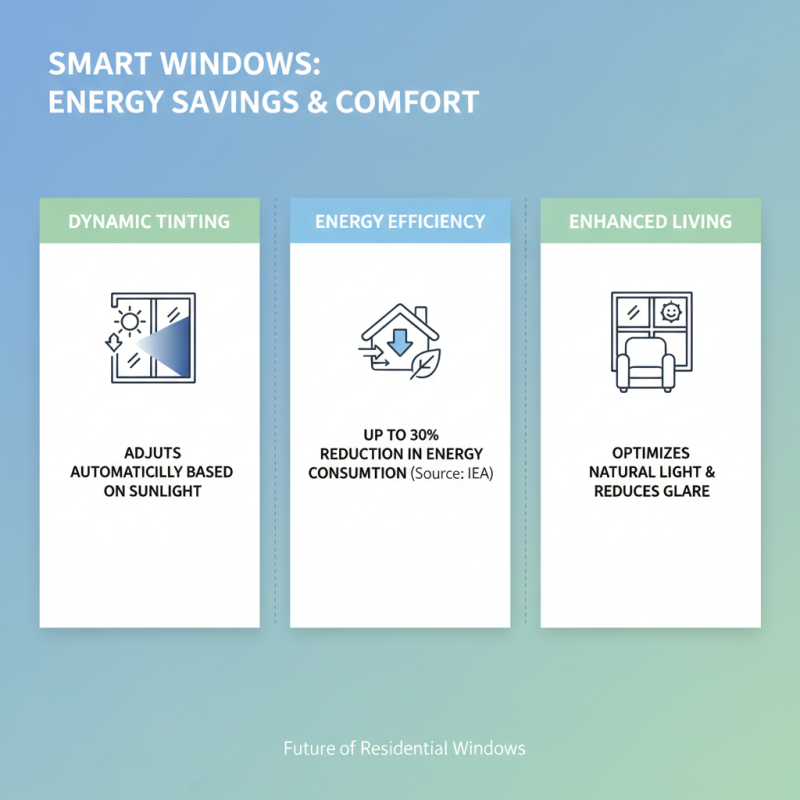
As the residential window industry evolves, the integration of smart technology stands at the forefront of design innovations aimed at enhancing energy efficiency. A recent report by the International Energy Agency reveals that smart windows can reduce energy consumption by up to 30% in residential applications by dynamically adjusting their tint based on sunlight exposure. This technology not only reduces the reliance on HVAC systems but also contributes to a more comfortable living environment by optimizing natural light and minimizing glare.
Moreover, advancements in window automation and smart home integration are transforming how homeowners interact with their windows. Systems equipped with sensors can automatically open or close windows to improve air circulation, significantly reducing the need for artificial cooling. According to a study by the U.S. Department of Energy, automated window systems can lower energy bills by as much as 20% when paired with smart thermostats. As more homeowners adopt these solutions, the demand for energy-efficient windows with embedded smart technology is expected to surge, positioning innovation as a crucial factor in the overall market growth.
Aesthetic Trends Shaping Residential Window Designs in 2025
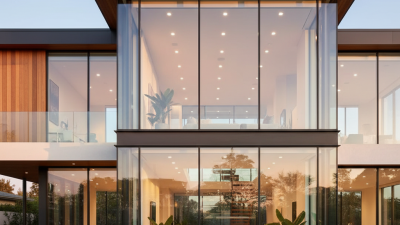
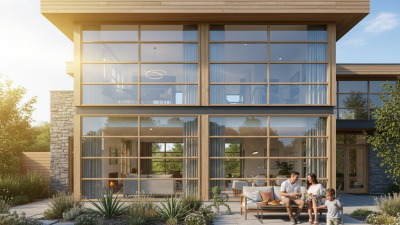
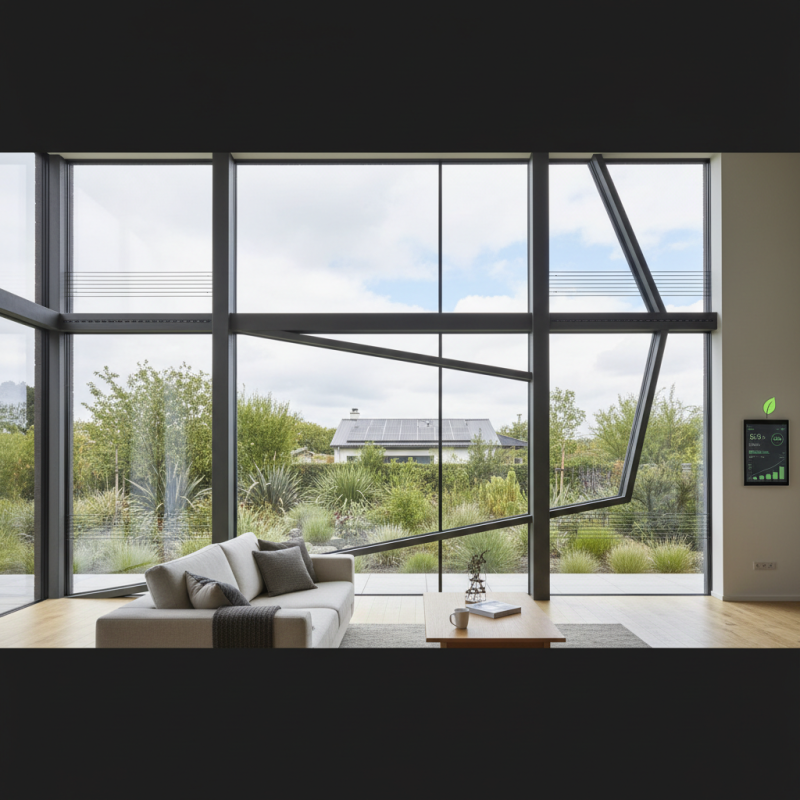
In 2025, the aesthetic landscape of residential window design is poised for a significant transformation, blending functionality with striking visual appeal. Architects and homeowners are increasingly gravitating towards larger window openings that invite an abundance of natural light while seamlessly integrating the outdoors with indoor spaces.
This trend towards expansive glass panels not only enhances the overall aesthetic but also emphasizes the connection with nature, enhancing the living experience in residential environments.
Moreover, the use of innovative materials and finishes is becoming paramount in creating windows that stand out. Homeowners are now favoring sleek, minimalist frames that complement modern architectural styles, as well as those with unique textures and colors that add character to their homes.
Additionally, there is a growing interest in custom shapes and configurations that allow for greater personalization, ensuring that residential windows not only serve their primary function but also act as integral design elements that reflect individual style and taste.
As these trends evolve, they will redefine how windows enhance both the beauty and functionality of residential spaces.
Sustainable Practices Driving the Future of Window Manufacturing
The residential window manufacturing industry is undergoing a significant transformation driven by sustainable practices. According to a recent report from the Glass Association, over 70% of manufacturers are now adopting eco-friendly materials and processes, aligning with the growing consumer demand for energy-efficient and environmentally responsible home solutions. This shift not only enhances the performance of windows but also reduces the carbon footprint associated with their production.
Innovations in design and materials reflect a broader trend toward sustainability. For instance, a study by the National Fenestration Rating Council revealed that windows with better energy ratings can improve a home’s energy efficiency by up to 30%. Moreover, advancements in materials such as recycled aluminum and low-impact glass are gaining traction, allowing the industry to reduce waste while meeting stringent energy standards. As consumers increasingly prioritize sustainability, window manufacturers are compelled to invest in research and development, paving the way for smart technologies that facilitate energy conservation without compromising aesthetic appeal.
2025 Top Trends in Residential Windows: Energy Efficiency and Design Innovations
| Trend |
Description |
Impact on Energy Efficiency |
Design Innovation |
| Triple Glazing |
Incorporating three panes of glass with insulating gas. |
Reduces heat loss significantly, enhancing energy performance. |
Sleek and modern appearance with minimal frames. |
| Smart Windows |
Windows that adjust tint based on sunlight exposure. |
Reduces reliance on HVAC, leading to lower energy costs. |
Futuristic look with added functionality. |
| Recycled Frame Materials |
Using materials like recycled aluminum and plastics. |
Helps in reducing carbon footprint of window manufacturing. |
Stylish finishes that mimic traditional frames. |
| Low-E Coatings |
Low-emissivity coatings to reflect heat. |
Improves insulation and reduces energy consumption. |
Available in various tints for aesthetic preferences. |
| Biophilic Design |
Integrating natural elements into window design. |
Enhances occupant wellbeing by connecting indoors with nature. |
Emphasizes large openings and glass walls. |