Choosing the right double windows can reduce heat loss, improve indoor comfort, and support lower energy bills. However, glass quality alone does not determine performance. Frame materials, spacer technology, weather seals, and installation accuracy all matter. Small gaps matter.
This guide reviews ten double windows selected for practical energy-efficiency features. It considers U-factor, solar heat gain coefficient, visible light, air leakage, and frame durability. These ratings help compare products more reliably than appearance or marketing language. A low U-factor can limit winter heat loss, while an appropriate solar heat gain coefficient may reduce summer overheating. Climate still changes the best choice. A window suited to Minnesota may perform differently in Arizona.
Real-world experience also deserves attention. A beautifully rated window can disappoint when installers leave uneven shims or poorly sealed joints. Look for certified performance data, clear warranty terms, and installation guidance from recognized manufacturers. Independent testing and regional energy standards add useful confidence. Yet no ranking is perfect. Product availability, wall orientation, shading, and household habits can change the final result. We will highlight these limitations instead of treating one model as universally superior. You may also need a qualified local installer to confirm measurements and code requirements. Energy savings are not guaranteed. Careful comparison usually produces better decisions.
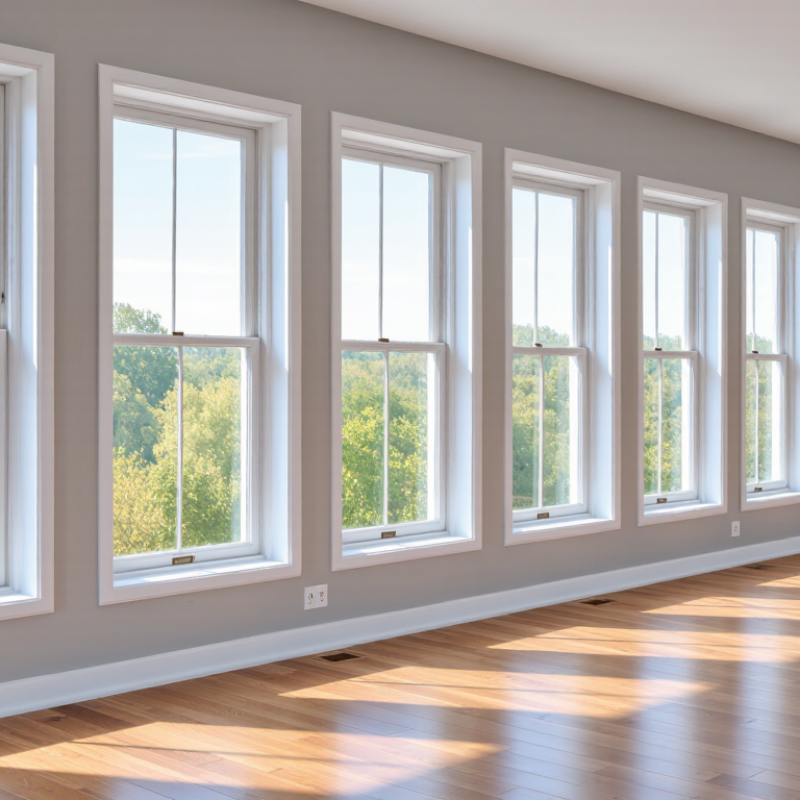
10 Best Double Windows for Energy Efficiency
Double windows, often called double-glazed windows, use two glass panes instead of one. A sealed spacer separates the panes and creates an insulating cavity. That cavity may contain air or an inert gas. Low-emissivity coatings can further limit heat transfer.
The U.S. Department of Energy reports that windows can account for 25–30% of residential heating and cooling energy use. Double glazing reduces the indoor temperature swing near the glass. On a winter morning, the inner pane feels less cold against your hand. In summer, less solar heat enters the room. DOE guidance also indicates that low-emissivity glazing can reduce window energy loss by roughly 30–50%, depending on climate and construction.
The National Fenestration Rating Council evaluates windows through U-factor and solar heat gain coefficient ratings. A lower U-factor generally means better insulation. A lower solar heat gain coefficient can help in hot, sunny regions. Climate matters. A window optimized for a northern winter may perform poorly in a humid, high-sun location. Frame material, edge spacers, and installation quality also affect results. A small perimeter gap can undermine an expensive specification. I have seen homeowners focus on glass alone, then overlook air leakage around the frame. That is an imperfect approach. Professional installation and careful air sealing remain essential. ━ажәа
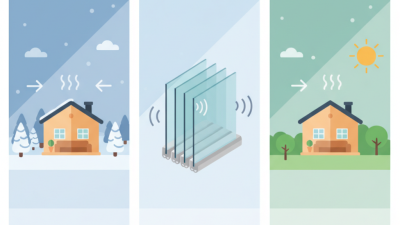
Double windows use two panes of glass separated by an insulating air or gas-filled space. Lower U-factor values indicate better insulation and reduced heat transfer, while SHGC shows how much solar heat enters through the window.
The chart uses representative, non-brand-specific performance values commonly found in NFRC-rated double-pane window assemblies. Actual ratings vary by glass coating, spacer, frame material, climate, and product design. Lower U-factor is generally preferred in cold climates, while SHGC should be selected according to local heating and cooling needs.
10 Best Double Windows for Energy Efficiency
Key Features That Determine Double-Window Performance
A double window performs well when its glass, frame, seals, and installation work together. The two panes create an insulating air space. Inert gas can reduce heat transfer further, but the seal must remain intact. Low-emissivity coatings reflect indoor heat during winter. They also limit unwanted solar gain in warmer climates.
Look for a low U-factor when heating costs matter. A lower value usually indicates better insulation. Solar heat gain coefficient matters more in sunny rooms. A smaller number can reduce summer overheating. However, the best rating depends on orientation, climate, and shading. A south-facing window needs different specifications from a shaded northern one.
The spacer between panes deserves attention. Warm-edge spacers can reduce cold glass edges and interior condensation. Strong weather seals also limit drafts, yet poor installation can defeat excellent glass. During site inspections, I check uneven gaps, brittle sealant, and water stains around the sill. These details often reveal performance problems before energy bills do. I have also seen highly rated windows installed without adequate flashing. The result was disappointing. Certified laboratory data helps, but local installers must follow it carefully. No window is perfect. Even small frame weaknesses can matter.
Choosing among the ten best double windows starts with the frame, not the brochure. Vinyl frames resist moisture and usually offer good insulation at a moderate cost. Fiberglass is stronger and handles temperature changes with less movement. Wood provides warmth and classic detail, but it needs regular sealing. Aluminum is durable, yet it conducts heat quickly without a thermal break.
Glass selection changes indoor comfort. Low-emissivity coatings reduce heat transfer while still admitting daylight. In a cold climate, a lower U-factor usually matters most. In a sunny climate, a controlled solar heat gain coefficient can prevent overheated rooms. Clear glass may look bright, but it often performs poorly beside coated glass. Double glazing is useful. Triple glazing may be better, but it adds weight and cost.
Between the panes, argon gas is a practical choice for many homes. Krypton can perform better in narrow spaces, though its higher price may not suit every project. Warm-edge spacers reduce heat loss around the glass perimeter and can limit condensation. Frame quality still matters. A perfect glass unit cannot fix poor installation, exposed gaps, or a warped opening. One lesson deserves attention: the most expensive specification is not automatically the most efficient. Compare tested U-factor, solar performance, spacer design, frame construction, and installation details together. Small differences become visible beside a cold window on a winter morning.
| Rank | Recommended Double-Window Configuration | Frame Material | Glass & Low-E Design | Gas Fill | Typical U-Factor (Btu/h·ft²·°F) |
Typical SHGC | Visible Transmittance | Best Use |
|---|---|---|---|---|---|---|---|---|
| 1 | Fiberglass Frame with Triple-Silver Low-E | Fiberglass | Two panes with spectrally selective, triple-silver low-emissivity coating | Argon | 0.25–0.30 | 0.25–0.40 | 45–60% | Cold climates and high-performance replacements |
| 2 | Vinyl Frame with Warm-Edge Spacer | Multi-chamber vinyl/PVC | Two panes with soft-coat low-E and insulated edge spacer | Argon | 0.27–0.32 | 0.25–0.45 | 50–65% | Balanced performance and cost in most North American climates |
| 3 | Wood-Clad Frame with Low-E Glass | Wood interior with weather-resistant exterior cladding | Two panes with low-E coating and insulated perimeter spacer | Argon | 0.28–0.34 | 0.30–0.50 | 50–70% | Traditional homes, historic-style projects, and cold regions |
| 4 | Composite Frame with Solar-Control Low-E | Wood-fiber or polymer composite | Two panes with moderate solar-control low-E coating | Argon | 0.28–0.34 | 0.25–0.40 | 45–65% | Mixed climates needing insulation and reduced summer heat gain |
| 5 | Vinyl Frame with High-Solar-Gain Low-E | Multi-chamber vinyl/PVC | Two panes with low-E coating optimized for passive solar gain | Argon | 0.28–0.35 | 0.45–0.60 | 55–75% | South-facing windows in heating-dominated climates |
| 6 | Fiberglass Frame with Krypton Fill | Fiberglass | Two panes with low-E coating and a narrow insulating cavity | Krypton | 0.24–0.29 | 0.25–0.45 | 45–65% | Premium cold-climate windows where a narrow frame profile is desired |
| 7 | Thermally Broken Aluminum Frame | Aluminum with continuous thermal break | Two panes with low-E coating and warm-edge spacer | Argon | 0.32–0.42 | 0.25–0.45 | 45–65% | Large openings, modern designs, and humid or coastal locations |
| 8 | Vinyl Frame with Clear Double Glass | Multi-chamber vinyl/PVC | Two clear panes without a low-E coating | Air or argon | 0.42–0.55 | 0.55–0.70 | 70–80% | Budget upgrades where daylight and low initial cost are priorities |
| 9 | Wood Frame with Warm-Edge Low-E Glass | Painted or stained wood | Two panes with low-E coating and insulated spacer | Air or argon | 0.30–0.38 | 0.35–0.55 | 55–75% | Renovations requiring natural interiors and good thermal performance |
| 10 | Aluminum Frame with Low-E Glass | Non-thermally broken aluminum | Two panes with basic low-E coating | Air or argon | 0.45–0.65 | 0.30–0.55 | 50–70% | Mild climates and projects requiring slim, durable frames |
Choosing double windows starts with climate, not appearance. The U.S. Department of Energy reports that windows can account for 25–30% of household heating and cooling energy use. In cold climates, select a low U-factor, warm-edge spacer, and low-emissivity coating. Argon-filled glass can reduce heat transfer. A higher solar heat gain coefficient may also help south-facing rooms during winter. Keep the frame close to the wall insulation line. Small gaps can cancel expensive glass upgrades.
Hot climates need a different balance. Choose low U-factor glass with a low solar heat gain coefficient, especially for west-facing windows. Exterior shades, deep overhangs, and reflective blinds can reduce afternoon heat more effectively than glass alone. In mixed climates, moderate both ratings instead of chasing one extreme.
The National Fenestration Rating Council recommends comparing whole-window performance, including the frame and spacer. Read the label, not only the center-glass claim.
Homes near humid coasts need durable frames, drainage paths, and strong condensation resistance. Older houses need an air-leakage inspection before replacement. Otherwise, new windows may hide moisture problems inside the wall. ENERGY STAR climate-zone criteria also show that suitable ratings vary by region. There is no perfect double window. I would question any recommendation that ignores orientation, shading, and installation quality. A cheaper unit installed squarely can outperform a premium unit installed poorly. Check the rough opening twice. Small errors matter.
10 Best Double Windows for Energy Efficiency
Choosing energy-efficient double windows starts with the whole unit, not the glass alone. Look for a low U-factor, suitable solar heat gain control, and a warm-edge spacer. Low-emissivity coatings can reduce winter heat loss while limiting summer heat gain. Argon-filled gaps may improve insulation, but damaged seals can quietly reduce performance.
Installation often decides whether the promised savings appear. A qualified installer should check the opening, repair hidden moisture damage, and create a continuous air seal. Even excellent windows perform poorly when foam is uneven or flashing is missing. Before work begins, request written details about glass ratings, frame materials, labor, and disposal costs. Prices vary with window size, access, and local energy requirements. Savings are not perfectly predictable. Your climate, heating system, shading, and household habits all matter.
Tips: Compare whole-window ratings, not center-glass claims. Inspect caulking each spring and autumn. Clean drainage channels with a soft brush. Do not force stiff hardware. Condensation between panes usually signals seal failure, not normal humidity. Keep curtains slightly open on sunny winter days, but close them during intense summer heat. A simple energy audit can reveal whether replacement windows are worthwhile. Sometimes weatherstripping and attic insulation deserve attention first. That is easy to overlook. Track monthly energy use for one year after installation, while adjusting for weather. The result may be modest, but it will be more credible than a sales estimate.