What is the Best Type of Exterior Windows for Your Home?
Choosing the right exterior windows can greatly impact your home’s appearance and energy efficiency. With so many styles and materials available, it’s easy to feel overwhelmed. The right choice enhances curb appeal and can lower energy costs.
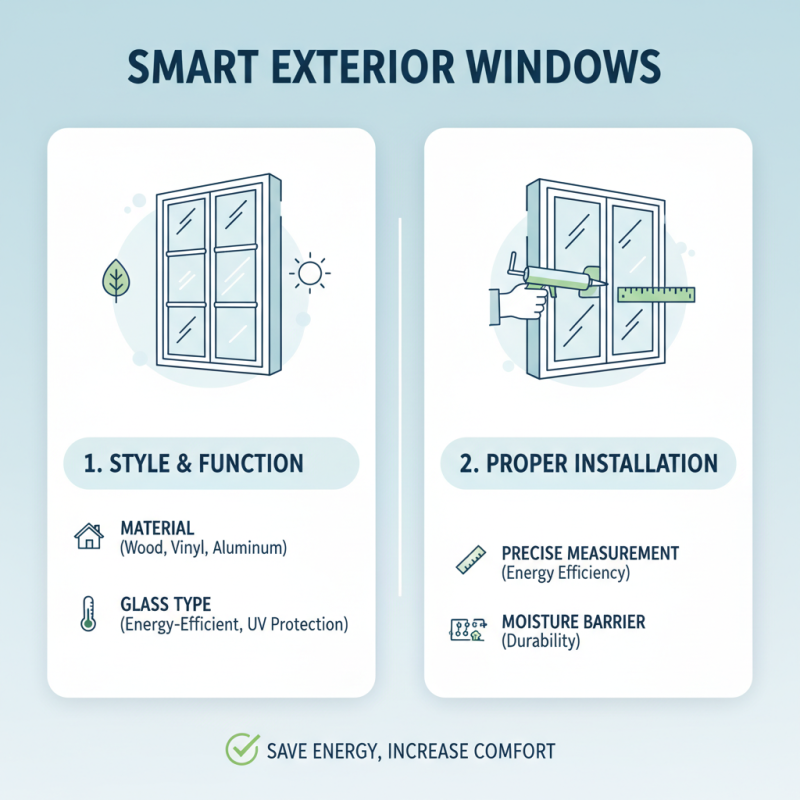
Modern exterior windows come in various types. Vinyl, wood, and aluminum are common materials. Each has unique benefits. Consider how these materials fit your home’s design and your climate needs. For instance, wood offers a warm look but requires maintenance. Vinyl is often easier to maintain but may lack the same aesthetic charm.
Think about functionality, too. Will these windows provide adequate insulation? What about noise reduction? These aspects often get overlooked. Balancing style with practicality can be difficult. Spend time reflecting on your needs and preferences. Making the right choice for your exterior windows can create a lasting impact on your home.
Types of Exterior Windows: An Overview of Options Available
Choosing the right type of exterior windows can significantly impact your home's energy efficiency and aesthetics. Various options are available today, making the selection process quite complex. Vinyl windows, for instance, are popular due to their low maintenance and energy efficiency. According to the U.S. Department of Energy, well-installed vinyl windows can reduce energy costs by up to 15%. This makes them a practical choice for many homeowners.
On the other hand, wood windows offer timeless beauty and excellent insulation properties. However, they require regular maintenance to prevent rot and decay. Nearly 25% of homeowners reported dealing with issues related to wood window maintenance. These figures highlight a potential downside that cannot be overlooked. If the upkeep is neglected, wood windows may ultimately lose their charm and efficiency.
Aluminum windows, while durable, may not provide the same thermal performance as other materials. Their sleek design can enhance modern homes but may lead to increased energy bills if not properly insulated. Though they are durable, their energy efficiency might need to be better. This is vital to consider when weighing your options. Understanding these nuances is essential to making the best decision for your home.
Key Factors to Consider When Choosing Exterior Windows for Your Home
When choosing exterior windows for your home, several key factors come into play. The climate in your area will influence your decision. For instance, if you live in a region with harsh winters, windows with high insulation ratings are crucial. On the other hand, areas that experience a lot of sunshine may benefit from UV-filtering glass. Durability is also essential. Consider whether your windows will withstand heavy rain, wind, or even hail.
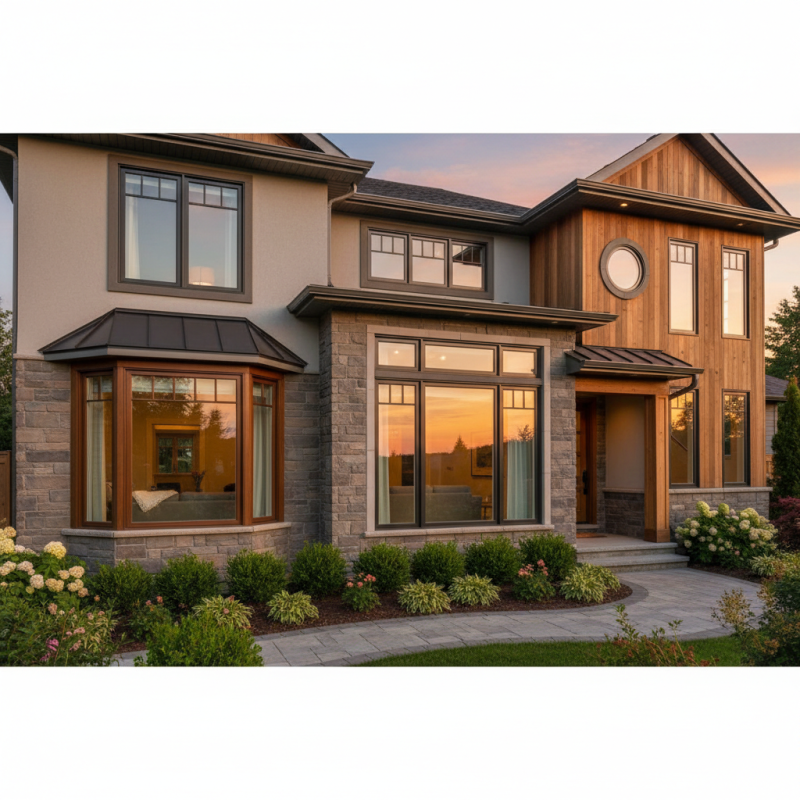
Aesthetic appeal shouldn't be overlooked. Your windows significantly affect your home's exterior look. Choose styles that complement your architecture. Different materials offer various appearances and functionalities. Wood, vinyl, and aluminum each have unique attributes. Reflect on maintenance needs too. Wood requires regular painting or sealing, while vinyl is generally low-maintenance. This balance between beauty and practicality is not easy. Sometimes, homeowners prioritize looks over durability, leading to costly repairs later.
Energy efficiency is another aspect to reflect on. Well-insulated windows can lower your utility bills. Double or triple glazing options improve energy performance. Though they may have higher upfront costs, the savings can add up over time. However, spending on windows doesn't guarantee quality. Research is vital to avoid pitfalls. Choosing the right exterior windows involves careful thought, balancing aesthetics, functionality, and efficiency, which can be challenging.
What is the Best Type of Exterior Windows for Your Home? - Key Factors to Consider When Choosing Exterior Windows for Your Home
| Window Type |
Material |
Energy Efficiency |
Lifespan (Years) |
Cost Range ($) |
| Double-Hung |
Vinyl |
Good |
20-30 |
300-800 |
| Casement |
Aluminum |
Very Good |
25-35 |
400-900 |
| Sliding |
Fiberglass |
Excellent |
30-50 |
500-1000 |
| Picture |
Wood |
Good |
20-40 |
600-1200 |
| Awning |
Composite |
Very Good |
25-45 |
700-1300 |
Comparing Material Options: Wood, Vinyl, Aluminum, and Fiberglass
When considering exterior windows, material choice is crucial. Wood windows offer timeless appeal. They provide excellent insulation but require maintenance. Wood can warp or rot if not cared for. Moreover, studies show that nearly 60% of homeowners prefer the look of wood. However, upkeep costs can add up.
Vinyl windows are popular for their affordability and durability. They resist fading, peeling, and do not require painting. According to industry reports, vinyl accounts for around 70% of new window installations. But they might lack the aesthetic warmth of wood. Aluminum windows are strong and stylish but conduct heat. This could lead to energy loss. Lastly, fiberglass emerges as a durable alternative, often outperforming other materials in energy efficiency. Yet, this option can be pricier.
The decision ultimately hinges on individual needs. Whether considering aesthetics, budget, or energy efficiency, it's essential to weigh the pros and cons. Understanding these factors can lead you to the ideal window choice for your home.
What is the Best Type of Exterior Windows for Your Home?
Energy Efficiency Ratings: How to Choose Windows that Save Energy
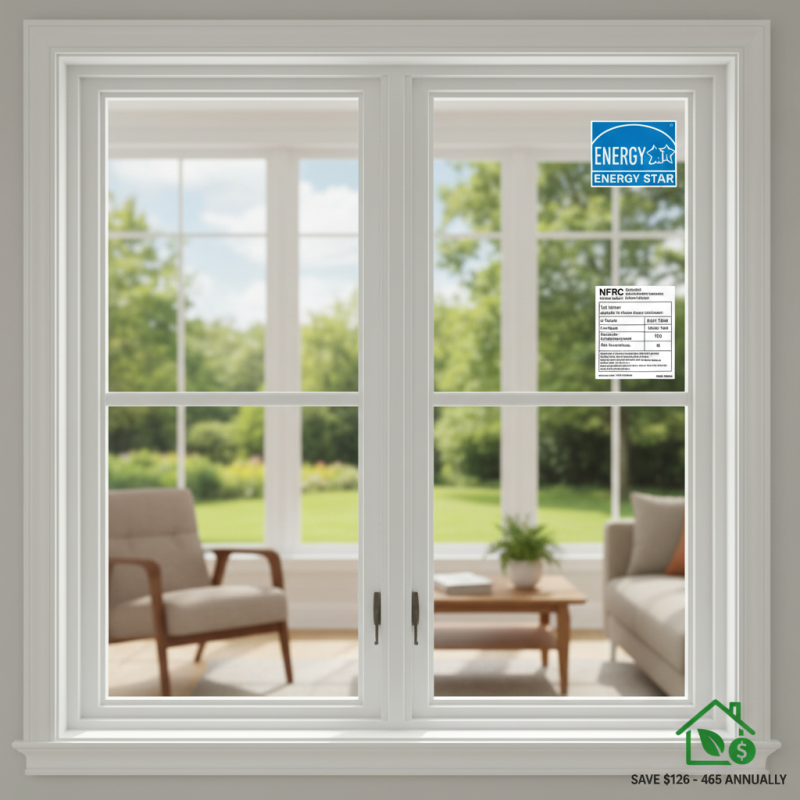
Choosing energy-efficient windows is crucial for any home. Energy performance ratings, like the NFRC (National Fenestration Rating Council) labels, guide homeowners in their decision. Windows with a high Energy Star rating can reduce energy bills significantly. According to the U.S. Department of Energy, well-chosen windows can save homeowners between $126 and $465 annually.
When selecting windows, consider U-factor, solar heat gain coefficient (SHGC), and visible transmittance (VT). A lower U-factor indicates better insulation. Windows with an SHGC of 0.25 or lower are optimal for spaces that receive a lot of sunlight. However, focusing solely on ratings can sometimes lead homeowners astray, as the installation quality also significantly affects performance.
The frame material can impact efficiency. Wood, vinyl, and fiberglass each have their pros and cons. For instance, wood offers excellent insulation but requires more maintenance. Vinyl is low-maintenance but may not be as durable in extreme weather. This is why some homeowners regret their choices later. They realize that aesthetics shouldn’t overshadow performance when it comes to long-term energy savings. Choosing wisely can be challenging, and a deep understanding of energy ratings is essential for making a beneficial investment.