How to Buy Overstock Windows at Wholesale Prices?

Buying overstock windows can reduce project costs, but the lowest sticker price is rarely the whole story. Overstock windows may come from canceled orders, discontinued lines, warehouse clearance, or minor packaging damage. They are not automatically defective. However, they may have limited sizes, colors, hardware, or warranty coverage. Fit matters. A wrong rough opening can erase the expected savings through framing changes, delays, and return freight.

Energy performance deserves equal attention. The U.S. Department of Energy states that windows can account for roughly 25% to 30% of residential heating and cooling energy use. The ENERGY STAR program also recommends comparing U-factor, solar heat gain coefficient, air leakage, and visible transmittance. These ratings should match the building’s climate and orientation. The National Fenestration Rating Council provides standardized labels for comparing tested window performance. Those labels are more dependable than vague claims such as “energy efficient.”

Wholesale purchasing requires a practical inspection process. Request exact unit dimensions, glazing details, frame material, NFRC ratings, installation instructions, and warranty terms. Confirm whether the price includes pallets, liftgate delivery, storage, and damage claims. Compare the supplier’s inventory with local building requirements and the project schedule. A warehouse photograph is not enough. Ask for current photos and count every unit before signing. Some bargains fail because buyers overlook mismatched handing or obscure glass. That assumption can be expensive. Yet, careful sourcing, documented specifications, and realistic freight calculations can make overstock windows a valuable option for builders, remodelers, and property developers.

How to Buy Overstock Windows at Wholesale Prices?

Understanding Overstock Windows and Wholesale Pricing

Overstock windows are surplus units left after a project changes, a shipment exceeds demand, or measurements are revised. They are usually new, but sizes, colors, grille patterns, and glass options may be limited. Wholesale pricing reflects this uncertainty. A lower price does not always mean lower quality; it may reflect storage costs and slower turnover. Ask for the exact quantity, manufacturing date, energy rating, and condition before agreeing to a final price.

Experienced buyers compare the complete cost, not only the unit price. Request a written list of window dimensions, frame material, glazing type, hardware, and included accessories. Check each unit for cracked glass, warped frames, damaged seals, and missing screens. A sample inspection helps, especially when buying a pallet or truckload. Measure the rough openings at the job site twice. One wrong assumption can erase the discount.

Wholesale suppliers may offer deeper reductions for mixed sizes or full-lot purchases. Negotiate carefully, but confirm return terms, loading responsibility, delivery insurance, and storage requirements. Local building rules still apply, even when windows are overstocked. I have seen attractive deals fail because buyers needed custom sizes later. That part deserves reflection. A smaller order may protect the budget and prevent unusable inventory.

Assessing Window Sizes, Styles, Materials, and Energy Ratings

How to Buy Overstock Windows at Wholesale Prices?

Assessing Window Sizes, Styles, Materials, and Energy Ratings

Buying overstock windows can reduce project costs, but accurate measurements remain essential. Measure the rough opening, not only the existing frame. Record width and height at three points. Use the smallest measurements when checking fit. A small error can create expensive installation problems. I once trusted a single measurement and underestimated the opening by nearly half an inch.

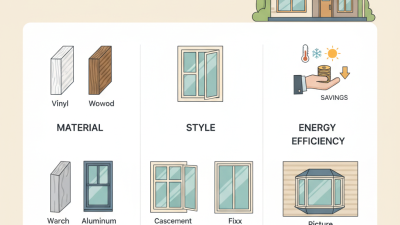
Window style should match both the building and its daily use. Casement windows provide strong ventilation and tight closure. Sliding windows need less exterior clearance. Fixed windows often offer better daylight at a lower price. Check hinge direction, grille patterns, frame depth, and glass configuration before purchasing. Overstock selections may have limited quantities. That limitation can affect future replacements.

Material choices also influence maintenance and performance. Vinyl frames resist moisture and usually require little upkeep. Aluminum frames are durable but can transfer heat without thermal breaks. Wood offers a warm appearance, yet it needs regular sealing. Energy ratings deserve careful attention. Review U-factor, solar heat gain coefficient, and air leakage information. Lower U-factors generally indicate better insulation. Local climate matters, too. A highly reflective glass package may reduce summer heat but limit winter warmth. Energy labels are useful, but installation quality still decides much of the real-world result. Check every document twice. Mistakes happen.

Finding Reliable Suppliers and Verifying Overstock Inventory

Buying overstock windows at wholesale prices starts with supplier verification, not a discount. Ask for a current inventory sheet showing sizes, quantities, frame materials, glazing type, energy ratings, and condition. Request timestamped warehouse photos. Photos can mislead. Confirm that the images match the actual stock.

A reliable supplier should provide a registered business address, clear contact details, and references from previous trade customers. A short video call from the warehouse can reveal unlabeled pallets, damaged packaging, or missing units. Test one unit. Check locks, hinges, seals, glass edges, and frame corners before placing a large order. Ask whether the windows are new, returned, discontinued, or cosmetically imperfect. These categories affect installation costs.

Get every detail in writing, including the unit price, quantity, pallet count, freight charges, inspection period, and return conditions. Verify measurements carefully; a small sizing error can make cheap inventory expensive. I would also request a sample or arrange an independent inspection when the shipment is valuable. One uncomfortable lesson is that a low price may hide incomplete hardware or mixed specifications. Keep doubts visible. If the seller avoids basic documents or pressures you to pay quickly, pause the purchase. A careful buyer may lose one bargain, but usually avoids a warehouse full of unusable windows.

Comparing Total Costs, Discounts, Warranties, and Delivery Terms

When I evaluate overstock windows, I compare the complete purchase cost, not only the advertised price. A low sticker price can hide freight, unloading fees, storage, taxes, and replacement hardware. I request a written quote showing each charge. Then I calculate the cost per usable window. Some units may have cosmetic marks, missing screens, or unusual sizes. Measure every opening twice. My first comparison was incomplete because I ignored interior trim costs. That mistake reduced the discount more than expected.

Discounts should reflect quantity, condition, and age. Ask whether the windows are new, returned, or discontinued. Request photos of labels, frames, seals, and glass. A professional seller should explain the warranty in plain language. Check coverage length, transferable rights, labor limits, and exclusions for improper installation. A short warranty is not always poor, but unclear wording deserves caution. Keep invoices and written promises.

Delivery terms can change the final price quickly. Confirm the carrier, delivery window, unloading method, and responsibility for damage. Inspect every package before signing. Photograph cracked glass, bent frames, and damaged corners immediately. Wholesale orders may require a minimum quantity or nonrefundable payment. That creates risk if measurements are wrong. I prefer a smaller test order when the seller permits it. It costs more per unit, perhaps, but it can expose quality problems before a full shipment arrives.

Completing the Purchase and Planning Installation and Storage

When buying overstock windows at wholesale prices, complete the order with careful paperwork. Confirm each window’s size, opening direction, glass type, frame material, and visible condition. Measure twice.

Ask for clear photos, quantity records, and a written invoice before sending payment. The invoice should list damaged units, missing accessories, delivery costs, and return conditions. I once underestimated storage fees on a surplus purchase. That error reduced the savings more than expected.

Arrange delivery when the installation area is ready. Use a covered vehicle or enclosed space to protect the windows from rain and road debris. Keep units upright on padded supports, never flat on concrete. Do not stack heavy materials against the frames. A qualified installer should inspect every unit before fitting it. Confirm rough openings, flashing materials, drainage paths, and local installation requirements. Leave room for corrections.

For storage lasting more than a few days, keep windows indoors with steady ventilation. Stand them vertically, slightly tilted, and separate them with soft spacers. Never drag a window across the floor.

Use labels showing room location, size, and installation order. Record scratches or seal damage before installation begins. A simple photo log helps resolve confusion later.

My own process still needs improvement; labeling every piece immediately would have prevented a misplaced screen and an unnecessary delay.