How to Change Windows for Better Energy Efficiency?
Changing windows can reduce heating and cooling demand, but the right choice depends on your home, climate, and installation quality. A replacement project is not automatically energy efficient. Poor measurements, weak sealing, or unsuitable glass can waste money and deliver disappointing results.
Stephen Selkowitz, a respected building scientist and former leader at Lawrence Berkeley National Laboratory, described windows clearly: “Windows are the most complex part of the building envelope.” Their performance involves more than visible glass. Check the U-factor for heat transfer, the solar heat gain coefficient for sunlight, and the air-leakage rating. Low-emissivity coatings, insulated frames, and multiple panes can improve comfort near cold surfaces. Still, product labels do not tell the whole story.
Look closely at each room. A south-facing window may provide useful winter warmth but create summer overheating. An older frame may rattle during windy weather. Condensation between panes often signals failed seals. These details should guide the upgrade. A certified installer should inspect the opening, surrounding wall, drainage, and interior finish before removing anything. Installation matters greatly.
Do not replace every window automatically. Sometimes weatherstripping, exterior shading, storm windows, or repaired seals offer better value. That part is easy to overlook. Homeowners should compare expected savings with purchase costs, maintenance, and local weather patterns. Energy bills can help, but they cannot prove one upgrade caused every improvement. Careful records are useful.
This guide explains how changing windows can support better energy efficiency without promising unrealistic results. The goal is a warmer winter, a cooler summer, and fewer uncomfortable drafts. Imperfect decisions happen. Better measurements make them less expensive.
Assess Your Current Windows and Home Energy Loss
How to Change Windows for Better Energy Efficiency?
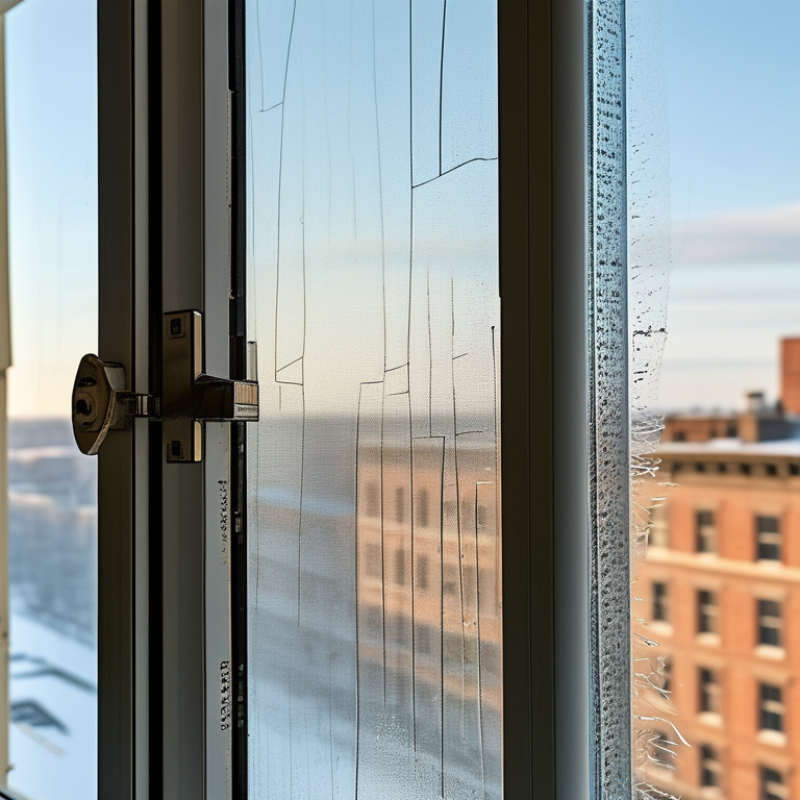
Assessing your current windows should come before replacing them. On a cold morning, place your hand near the frame and sash. Moving air suggests a seal or installation problem. Check for cracked caulk, loose glazing, and worn weatherstripping. Condensation between glass panes may indicate a failed insulating seal. It can also point to excessive indoor humidity, so the window is not always the only cause.
Compare rooms rather than guessing from one uncomfortable corner. Note which windows face strong afternoon sun, shade, or prevailing wind. Review energy bills across similar seasons and record unusual temperature changes. A professional energy assessment can use infrared imaging or a blower-door test to locate hidden leaks. Window performance ratings, including U-factor and solar heat gain, help compare options. However, ratings cannot correct poor installation. That detail is often underestimated.
Tips:
Use removable rope caulk for temporary draft testing. Close curtains at night, but keep sunny windows uncovered during winter days. Do not ignore air leaks around trim; sealing the surrounding wall may save more energy than changing the glass. Check humidity with a simple meter. If condensation remains, inspect ventilation before ordering replacement windows. I would also photograph each defect, because memory becomes unreliable after several rooms.
Choose the Right Window Materials and Energy Ratings
How to Change Windows for Better Energy Efficiency?
Window materials and energy ratings can change indoor comfort more than appearance. The U.S. Department of Energy estimates that windows cause 25–30% of residential heating and cooling energy use. In practice, low-emissivity glass, insulated frames, and multiple panes can reduce unwanted heat transfer. However, the best material depends on climate, window direction, and ventilation habits.
Read the label carefully. A lower U-factor means better insulation, while a lower Solar Heat Gain Coefficient limits sunlight entering the room. ENERGY STAR reports that replacing old, single-pane windows with certified efficient models can save households about $101–$583 annually, depending on location and energy prices. These figures are useful, but not guaranteed. Installation quality, shading, and air leaks can weaken the result. I have found that homeowners often focus on glass and overlook the frame. That is a costly blind spot.
Tips: Ask for certified U-factor and SHGC ratings before comparing prices. Choose a lower SHGC for hot, sunny rooms. In cold climates, consider stronger solar gain where winter sunlight helps. Check the wall around the frame for drafts. A perfect window cannot fix poor sealing. Also, compare the whole-window rating, not just the center glass. The National Fenestration Rating Council notes that whole-window performance gives a more realistic efficiency picture. That detail is easy to miss.
Improve Window Installation and Sealing Performance
How to Change Windows for Better Energy Efficiency?
Improve Window Installation and Sealing Performance
A high-efficiency window can still waste energy when installation is careless. The frame must sit level, plumb, and square inside the rough opening. Small gaps can create cold drafts around the edges. Before setting the unit, inspect the opening for rot, moisture, and uneven surfaces. Use compatible sill flashing and keep drainage paths open. Low-expansion foam can fill the space between the frame and wall without bending the frame. A neat bead is not proof of a reliable seal.
Tips: Clean every surface before applying sealant. Use backer rod for wide joints. Press the sealant firmly into the gap. Check the corners twice. They are often missed.
From practical installation work, I have found that sealing the interior alone is insufficient. Air should be controlled from the room side, while exterior layers should resist rain and allow drying. Follow the window manufacturer’s installation instructions and local building requirements. After installation, open and close the sash several times. It should move smoothly without rubbing. A smoke pencil can reveal air movement on a windy day, while infrared imaging may show unusually cold sections. I once trusted a perfect-looking frame and missed a small gap beneath the sill. That mistake changed my inspection routine. Finish the interior trim only after the air barrier and drainage details have been checked.
Add Shading and Insulation for Seasonal Efficiency
How to Change Windows for Better Energy Efficiency?
Adding shading and insulation can improve seasonal comfort without replacing every window. A well-fitted window covering reduces summer heat and winter drafts. Exterior shades usually work better because they block sunlight before it reaches the glass. Interior curtains still help, especially when they hang close to the frame.
Inspect the window edges on a windy day. Move a thin tissue around the sash and frame. If it moves, air is entering. Apply removable weatherstripping to movable parts, then seal fixed gaps with suitable caulk. Do not block drainage openings at the bottom of the frame. That mistake can trap water and damage the wall. In winter, cellular shades or lined curtains add an insulating layer. In summer, close them before direct afternoon sunlight arrives.
Tips: Choose light-colored exterior shading for hot climates. Keep south-facing shading adjustable. Clean window tracks before sealing. Check condensation after improvements. Persistent moisture may indicate poor ventilation, not only a cold window. During one inspection, a homeowner blamed the glass, but the real problem was an unsealed trim joint. Measure first. Guessing gets expensive.
Maintain Windows to Preserve Long-Term Energy Savings
How to Change Windows for Better Energy Efficiency?
Maintain Windows to Preserve Long-Term Energy Savings
Replacing windows can improve comfort, but maintenance often protects savings for longer. The U.S. Department of Energy estimates that windows can cause 25–30% of residential heating and cooling energy use. A loose seal, blocked drainage channel, or cracked caulk can quietly increase that loss. The IEA also reports that buildings consume about 30% of global final energy, making small efficiency improvements worthwhile.
Inspect window frames at the start of each heating and cooling season. Run your hand near the edges on a windy day. A cool draft may indicate worn weatherstripping or failed seals. Clean the tracks with a soft brush, then remove dirt from drainage openings. Never seal those openings with paint or caulk. Water needs a path out.
Use a flexible exterior-grade sealant around damaged joints. Replace brittle weatherstripping instead of adding temporary tape. Check condensation carefully. Occasional moisture may reflect indoor humidity, but water between glass panes often signals an insulated-unit failure. That repair requires professional assessment.
Small defects matter.
The National Fenestration Rating Council advises evaluating window performance through tested ratings, including U-factor and solar heat gain coefficient. Still, ratings cannot compensate for poor upkeep. I sometimes find that homeowners focus on replacement costs while ignoring a five-minute draft inspection. That is not always the best judgment. Maintenance is simple, yet it is easy to postpone, especially when the room still feels comfortable.