How to Choose the Best Triple Glass Windows for Your Home in 2025
In 2025, the selection of the right windows for a home has become crucial, particularly when choosing triple glass windows, which offer superior insulation and energy efficiency. According to the latest report by the National Fenestration Rating Council (NFRC), homes equipped with triple glass windows can reduce energy bills by up to 30% compared to traditional double-glazed options. This shift towards more efficient window solutions is driven by increasing energy costs and a growing emphasis on sustainability in home construction, making it essential for homeowners to understand their options.
Furthermore, the Global Energy Standards report reveals that the demand for triple glass windows is expected to rise significantly as more homeowners seek to enhance their property’s energy performance while contributing to a decrease in greenhouse gas emissions. With advancements in glazing technology and improved frame materials, triple glass windows are becoming more accessible and cost-effective. As energy efficiency continues to be a priority, making an informed choice about triple glass windows can lead to substantial long-term benefits, both financially and environmentally.

Understanding Triple Glass Window Technology and Its Advantages
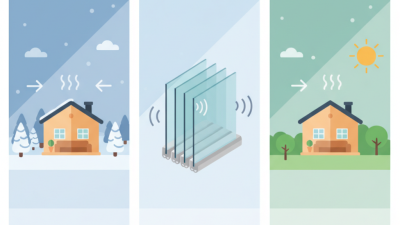
Triple glass windows are becoming increasingly popular among homeowners looking to enhance energy efficiency and comfort in their living spaces. The technology behind these windows incorporates three panes of glass, separated by insulating layers of air or gas, which significantly reduces heat transfer compared to traditional double-glazed windows. According to a report by the National Renewable Energy Laboratory, triple glazing can improve thermal performance by up to 30% compared to double glazing, making them an excellent investment for energy-conscious homeowners.
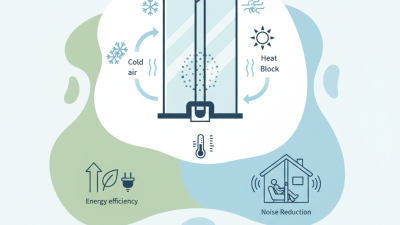
In addition to their superior insulation properties, triple glass windows also offer enhanced soundproofing capabilities. Studies have shown that noise reduction can be improved by as much as 50% with triple-glazed units, making them ideal for homes located in noisy urban environments. Furthermore, the use of low-emissivity (low-E) coatings on the glass can help in blocking harmful UV rays while allowing natural light to enter, contributing to reduced energy costs and protecting interior furnishings from fading. As energy efficiency continues to be a crucial factor in building design, investing in triple glass windows offers both immediate comfort benefits and long-term savings.
Key Factors to Consider When Selecting Triple Glass Windows
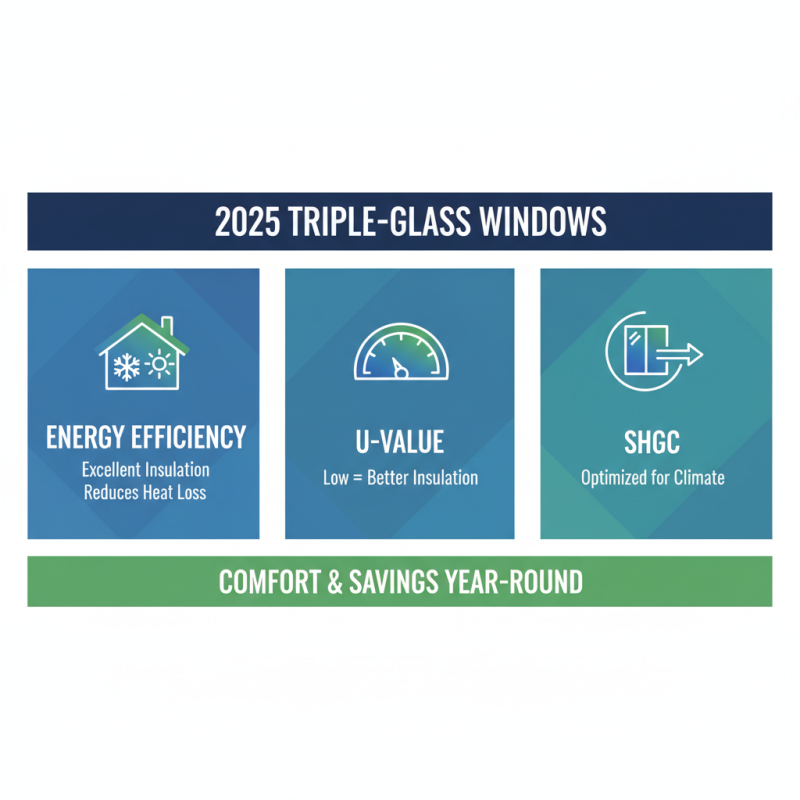
When selecting the best triple glass windows for your home in 2025, several key factors should guide your decision. First and foremost, consider the energy efficiency ratings of the windows. Look for windows that provide excellent insulation, as triple glazing is renowned for its ability to reduce heat loss and minimize energy costs. Pay close attention to the U-value and solar heat gain coefficient (SHGC) to ensure the windows will help maintain a comfortable indoor temperature throughout the year.
Another critical aspect is the frame material. The choice of frame can significantly impact the overall performance of the windows. Options such as vinyl, wood, and fiberglass each have distinct advantages in terms of durability, maintenance, and insulation properties. Additionally, consider the aesthetic appeal and how the frame complements your home’s architecture. It is also essential to evaluate the soundproofing capabilities of triple-glazed windows, especially if you live in a noisy area, as this can enhance your home’s tranquility and comfort. By weighing these factors, you can make an informed choice that aligns with your energy efficiency goals and personal preferences.
Comparative Energy Efficiency Ratings: Triple vs. Double Glass Windows
When considering energy efficiency in window installation, the choice between triple and double glass windows is pivotal.
Triple glass windows, consisting of three panes of glass with argon or krypton gas in between, provide superior insulation compared to their double glass counterparts, which have only two panes. This extra layer minimizes heat transfer, allowing homeowners to maintain a stable indoor temperature with less reliance on heating and cooling systems. As energy costs continue to rise, the long-term savings associated with improved insulation make triple glass windows an attractive investment for homeowners looking to enhance their energy efficiency.
The comparative energy efficiency ratings between triple and double glass windows highlight the advantages of opting for the former. Triple glass windows typically achieve lower U-values, indicating better resistance to heat flow. This means they can significantly reduce energy loss during colder months and minimize heat gain in warmer seasons. Moreover, triple glass installations often include low-emissivity (Low-E) coatings that further enhance thermal performance by reflecting infrared heat back into the home. As we navigate an ever-changing energy landscape, understanding these differences becomes crucial for homeowners aiming to make informed decisions about their window options in 2025 and beyond.
Cost Analysis of Triple Glass Windows Installation and Maintenance
When considering the installation of triple glass windows in 2025, understanding the cost implications is crucial. The initial investment for triple-glass windows is typically higher compared to standard double-glazed units, largely due to the advanced technology and materials used in their construction. On average, homeowners can expect to pay between 20% to 30% more for triple-glass windows. This premium is often justified by the enhanced energy efficiency they offer, which can lead to substantial savings on heating and cooling bills over time.
Additionally, maintenance costs should be factored into the overall budget. Triple-glass windows generally require similar upkeep to double-glazed units, including periodic cleaning and inspections to maintain performance. However, given their durability, the long-term maintenance could be lower, as they are less prone to issues such as condensation between panes. Homeowners should also consider potential added costs for installation, which can vary based on the complexity of the project and the need for professional assistance. Investing in high-quality triple glass windows can offer significant returns in energy savings and comfort, making them a worthwhile consideration for those looking to upgrade their homes.
How to Choose the Best Triple Glass Windows for Your Home in 2025 - Cost Analysis of Triple Glass Windows Installation and Maintenance
| Dimension |
Typical Cost (per window) |
Installation Cost |
Average Maintenance Cost (per year) |
Energy Efficiency Rating |
Lifespan (Years) |
| Standard (36x48 inches) |
$800 |
$300 |
$50 |
A+ |
40 |
| Large (48x60 inches) |
$1,200 |
$400 |
$60 |
A++ |
40 |
| Custom (Double Glazed) |
$1,500 |
$500 |
$70 |
A+++ |
50 |
| Bay Windows |
$2,000 |
$600 |
$80 |
A++ |
30 |
Future Trends in Triple Glass Window Innovations and Sustainability
As we move toward 2025, the trends in triple glass window innovations are heavily influenced by sustainability and energy efficiency. Modern triple glass windows are now designed not only to provide superior insulation but also to minimize environmental impact. Innovative materials, such as recycled and eco-friendly components, are becoming more common in the production of these windows, reducing the carbon footprint associated with their manufacturing. Additionally, advancements in glazing technologies are enhancing the thermal performance of these windows, allowing homeowners to enjoy natural light while maintaining energy efficiency.
Another significant trend is the integration of smart technologies into triple glass windows. These windows are increasingly equipped with sensors that can adjust their tint based on sunlight exposure, contributing to energy savings by regulating indoor temperatures. Furthermore, the development of self-cleaning coatings and weather-resistant features promises to make maintenance easier while extending the lifespan of the windows. As homeowners become more environmentally conscious, they will likely gravitate towards these innovative solutions that not only enhance the functionality of their living spaces but also align with sustainable practices.