How to Choose Triple Glazed Windows for Your Home Efficiency?
Choosing the right windows for your home can greatly impact energy efficiency. Triple glazed windows offer significant advantages, especially in colder climates. As window expert Sarah Thompson states, "Investing in triple glazed windows is crucial for maximizing energy savings."
Triple glazing provides enhanced insulation. This is due to the three layers of glass, which trap air, reducing heat loss. However, there are many factors to consider before making a choice. Not every home is suited for triple glazing.
Moreover, the cost can be higher than standard options. Homeowners must weigh the benefits against their budget. The right decision requires careful thought and research. Triple glazed windows can be a game-changer for energy efficiency, but they are not a one-size-fits-all solution.
Understanding the Benefits of Triple Glazed Windows for Home Efficiency
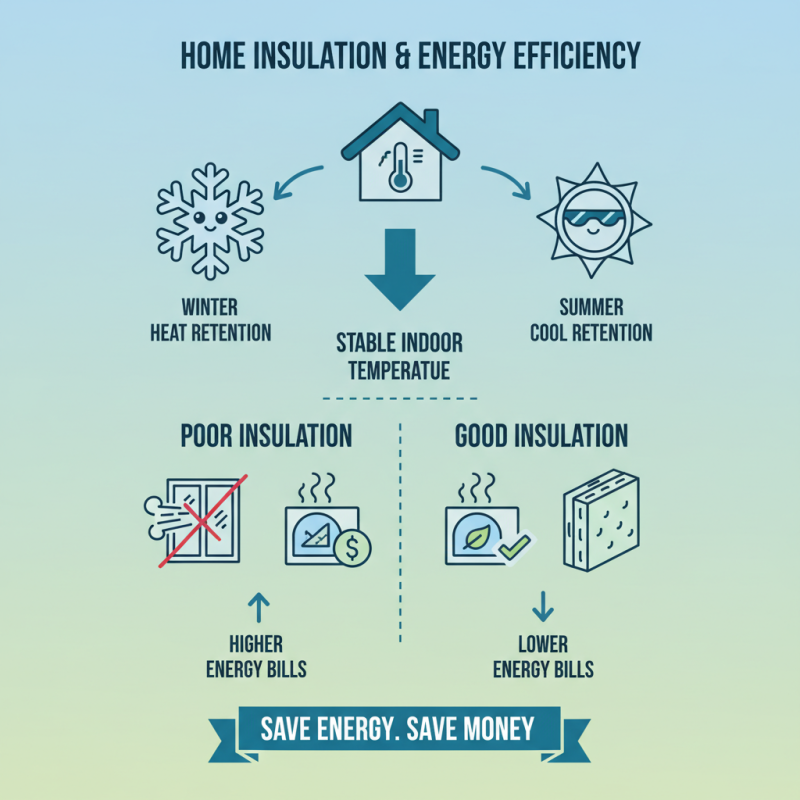
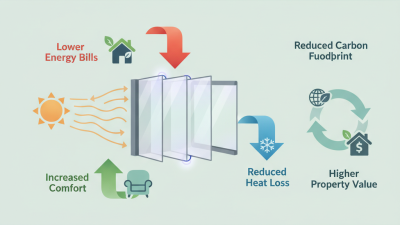
Triple glazed windows provide several advantages for improving home efficiency. They consist of three panes of glass, which creates additional insulation. This design helps maintain a stable indoor temperature. Homes with these windows often experience reduced energy bills. The extra layer of glass reduces heat loss in winter and keeps the heat out in summer.
One notable benefit is noise reduction. Living in busy areas can be challenging. Triple glazing helps mitigate outside noise significantly. However, installation can be complex. Proper fitting is essential to maximize efficiency. Some homeowners may underestimate the importance of professional installation. A poor seal can lead to energy loss.
Another detail to consider is the cost. Triple glazed windows can be pricier than double glazing. Yet, the long-term savings on energy can justify the initial expense. Homeowners should weigh current budgets against future savings. Regular maintenance is also needed to ensure longevity. Overall, understanding these factors is crucial in making the best choice for your home efficiency.
How to Choose Triple Glazed Windows for Your Home Efficiency?
| Feature |
Triple Glazed Windows |
Double Glazed Windows |
| Insulation Value (U-Value) |
0.9 - 1.1 W/m²K |
1.4 - 2.0 W/m²K |
| Noise Reduction |
Better Soundproofing |
Moderate Soundproofing |
| Energy Efficiency |
Higher Efficiency |
Adequate Efficiency |
| Condensation Resistance |
Less Likely |
More Likely |
| Cost |
Higher Initial Investment |
Lower Initial Investment |
| Lifetime |
20-30 Years |
10-20 Years |
Assessing Your Home's Insulation Needs Before Choosing Windows
When assessing your home's insulation needs, it's vital to understand how it impacts energy efficiency. Good insulation keeps the desired temperature stable. If your home is drafty, your heating system works harder. This leads to higher energy bills.
Consider conducting an energy audit. This process identifies areas where heat escapes. Windows often account for significant energy loss. If your current windows are single or double glazed, upgrading to triple glazed might be necessary. However, not all homes require such extensive upgrades.
Check the insulation in your walls and roof, too. Sometimes, it’s more beneficial to improve attic insulation before investing in new windows. You may find that small fixes yield big savings. You need to examine your specific situation. Not every home benefits from the same solutions. Make careful assessments before proceeding with any upgrades.
Key Features to Look for in Triple Glazed Windows
When considering triple glazed windows for your home, focus on energy efficiency and insulation performance. According to the National Renewable Energy Laboratory, triple glazing can reduce heat loss by up to 40% compared to double glazing. This means significant savings on heating costs over time. Look for windows with a low U-value, ideally below 0.8 W/m²K, to maximize insulation benefits.
Additionally, consider the spacer bars between the panes. Warm-edge spacers can enhance thermal performance. Some studies indicate that these spacers can improve energy efficiency by as much as 10%. Noise reduction is another important feature. Triple glazed windows can reduce outside noise by around 30% compared to standard single glazing. This aspect is often overlooked but can greatly impact living comfort.
Be mindful of the aesthetic impact as well. Thicker frames required for triple glazing can alter the look of your home. While they offer efficiency, they may seem bulkier. Homeowners should weigh the pros and cons carefully. The initial investment may be higher, but the long-term benefits can justify the cost, making it an important choice for sustainability-focused homeowners.
Evaluating Energy Efficiency Ratings for Triple Glazed Windows
When choosing triple glazed windows, evaluating energy efficiency ratings is crucial. Look for the National Fenestration Rating Council (NFRC) label. This label offers vital information on U-factor, solar heat gain coefficient (SHGC), and visible transmittance (VT). The U-factor measures insulation capability. A lower U-factor indicates better insulation. For energy-efficient homes, choose windows with a U-factor below 0.22.
The SHGC shows how well the windows block heat from sunlight. A lower value means less heat enters your home. This is key for maintaining comfort on hot days. According to the U.S. Department of Energy, homes with energy-efficient windows can save up to 30% on monthly heating and cooling costs. This figure is compelling. Efficiency ratings impact energy bills significantly.
Visible transmittance is another essential metric. It indicates how much light the windows allow in. High VT values can enhance natural lighting. However, ensure that the balance between light and heat retention aligns with your home's needs. Reflecting on these ratings is vital. Not every triple glazed window will suit every home. Factors like climate and orientation should influence your choice.
Installation Considerations and Costs for Triple Glazed Windows
When considering triple glazed windows, installation is crucial. It affects both energy efficiency and overall performance. According to industry reports, proper installation can enhance efficiency by up to 30%. However, not all contractors have the same level of expertise. It's important to verify their qualifications and prior experiences with triple glazing. If not installed correctly, the expected energy savings may not materialize.
Costs are another factor to consider. Triple glazed windows cost about 10-15% more than their double-glazed counterparts. Professionals' labor rates vary significantly, impacting the total budget. On average, homeowners can expect to spend between $800 to $2,000 per window, depending on customization options. While upfront costs could deter some, energy savings over time may compensate for the initial investment.
Additionally, zoning laws or building codes might limit certain window types. Homeowners should familiarize themselves with these regulations before committing. Some homes may require structural adaptations for proper installation, adding more to the total cost. Inadequate preparation can lead to delays and increased expenses. Consider all these aspects when planning for triple glazed windows. Balancing efficiency, costs, and installation quality will lead to better long-term benefits.
Energy Efficiency Comparison of Triple Glazed vs. Double Glazed Windows
This chart illustrates the U-Value (a measure of heat transfer) comparison between double glazed and triple glazed windows. A lower U-Value indicates better insulating properties, demonstrating that triple glazed windows provide enhanced energy efficiency, making them a worthwhile investment for home comfort and cost savings.