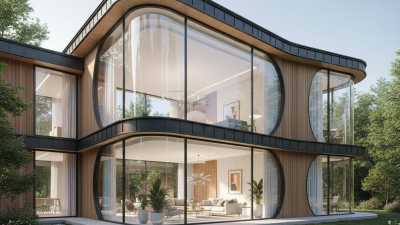
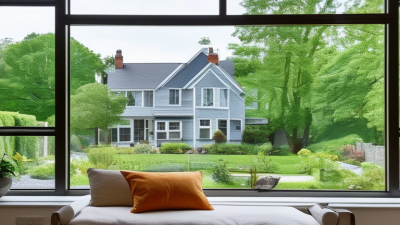
How to Choose the Best House Windows for Your Home in 2026?
Choosing the right house windows can be a daunting task. With so many options available in 2026, it’s essential to consider various factors. Energy efficiency, aesthetics, and durability are crucial elements. Each choice impacts your home's comfort and overall look.
When selecting house windows, think about the climate in your area. Windows must adapt to local weather conditions. Consider materials like vinyl, wood, or fiberglass. Each material offers unique benefits and challenges. Researching these options ensures informed decisions.
Additionally, pay attention to styles that complement your home. From sliding to casement windows, different designs enhance functionality. It’s easy to overlook small details. Yet, these choices reflect your personal taste. In the end, finding the best house windows involves careful consideration.
Understanding Different Types of Windows Available for Homes
When selecting windows for your home in 2026, understanding the types available is crucial. Different window styles serve various purposes, affecting both aesthetics and functionality. For instance, double-hung windows allow for excellent ventilation and user-friendly cleaning. According to a 2023 report by the National Association of Home Builders, 67% of homeowners prioritize energy efficiency in their choices. This trend suggests a shift towards products that save energy and costs.
Casement windows are another popular option. They open outward, providing unobstructed views and ventilation. Homeowners reported a 20% increase in satisfaction with casement designs. However, these windows may be prone to weather-related wear. Choosing materials like vinyl or fiberglass can combat some of these challenges. Yet, some homeowners find it hard to balance aesthetics with durability.
Skylights also deserve attention. They offer natural light but can lead to overheating if poorly chosen. Data from the American Institute of Architects shows that 15% of recent builds included skylights. While they enhance any space, careful consideration of placement and energy performance is essential. Not every window type suits every home, making it vital to evaluate your specific needs.
Evaluating Energy Efficiency Ratings and Their Importance
Choosing the right windows is crucial for your home’s efficiency in 2026.
Energy efficiency ratings are key indicators of a window's performance. Look for windows with high ratings.
These windows can significantly reduce energy costs and help maintain a comfortable indoor temperature.
Consider the following tips when evaluating window options. Check the window's U-value. This indicates how well a window insulates. A lower U-value means better insulation.
Look at SHGC, or solar heat gain coefficient. This measures how much heat the sun brings in. Aim for a lower SHGC for cooler climates.
Remember that not all windows fit every home. Assess your local climate. What works well in a hot area may not in a cold one. Also, don’t forget to factor in aesthetics.
Windows need to look good with your home’s style. Finding that balance may take time, and that’s okay. Reflect on your choices often. Make sure they align with your energy needs and design preferences.
Assessing Window Materials and Their Durability Factors
When selecting windows for your home, the material plays a crucial role in durability. Different materials offer various benefits and potential drawbacks. Vinyl windows are popular due to their low maintenance and decent insulation. However, they can warp under extreme conditions. Wood windows provide warmth and elegance, yet they require regular upkeep to prevent rot. Consider the lifespan of each material when making your choice.
Fiberglass windows have gained traction for their strength and energy efficiency. They resist fading and peeling, making them a long-term investment. However, the initial cost can be higher. Aluminum frames are sturdy but conduct heat, which may lead to energy loss. It's essential to weigh these factors against your home's climate and architectural style. Reflect on your priorities. A focus on maintenance or aesthetic might sway your decision. Understand that there’s no one-size-fits-all approach. Each option has merits and challenges.
How to Choose the Best House Windows for Your Home in 2026? - Assessing Window Materials and Their Durability Factors
| Window Material |
Durability (Years) |
Energy Efficiency Rating |
Maintenance Level |
Cost (Per Unit) |
| Vinyl |
20-40 |
High |
Low |
$300 |
| Aluminum |
15-30 |
Medium |
Medium |
$400 |
| Wood |
30-50 |
Medium |
High |
$600 |
| Fiberglass |
30-50 |
Very High |
Low |
$800 |
| Composite |
25-40 |
High |
Low |
$500 |
Considering Aesthetic Preferences and Architectural Style Compatibility
Choosing house windows involves more than functionality.
Aesthetic preferences play a crucial role. The right windows should harmonize with your home’s
architectural style. For example, a Victorian home may
require ornate, double-hung windows, while a modern design often suits sleek, minimalist styles.
Understanding trends is essential. According to the 2023 Home Design Report,
72% of homeowners prioritize window styles that
reflect their home’s character. This statistic highlights the growing importance of aesthetics in home renovations.
Select window materials that enhance this connection. Wooden frames offer a classic
look, while fiberglass can provide durability with a modern appeal.
Not all windows fit every home. Misaligned styles can detract from a property’s overall charm.
Take time to visualize how different designs will complement your exterior.
Visiting local showrooms can provide valuable insights. Balancing functionality with visual appeal requires
thoughtful consideration of your specific needs. Trust your instincts, but also reflect on neighborhood trends.
Engaging with professional architects or designers can guide your decision-making process effectively.
Budgeting for Window Replacement and Installation Costs
When planning for window replacement, budgeting is essential. The average cost for window replacement ranges from $300 to $1,000 per window, depending on the type and style. According to a recent report by the National Association of Home Builders, energy-efficient windows can yield a 70% to 80% return on investment when selling your home. However, the initial costs can be daunting for many homeowners.
Tip: Prioritize your budget. Decide how many windows you need to replace. It’s often wise to tackle this project room by room. Moreover, consider labor costs, which can range from $100 to $150 per hour. Keep in mind that larger projects may give room for negotiations with contractors.
Remember, not every window replacement project will be cost-effective immediately. Some homeowners may choose high-end options without considering their long-term savings on energy bills. It’s crucial to evaluate the overall performance rather than just the aesthetic value. Look for windows with a high Energy Star rating to help reduce those bills in the long run.
Tip: Research rebate options for energy-efficient windows. Many utility companies offer incentives that can help offset the costs. This can make a significant difference in your total expense. Understanding all these factors can lead to more informed and financially sound decisions.