How to Choose the Best Renovation Windows for Your Home?
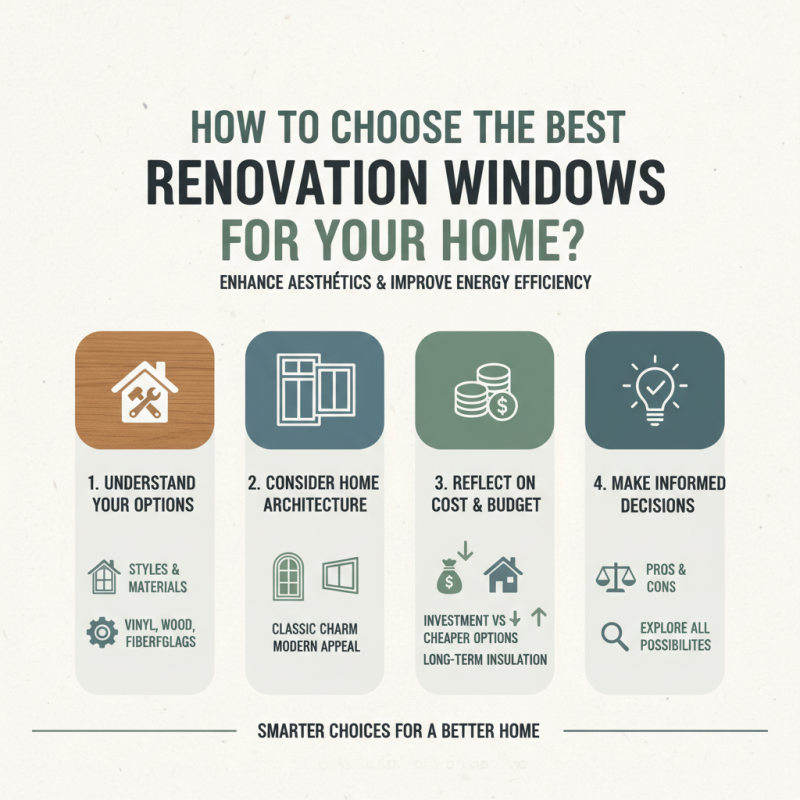
Choosing the best renovation windows for your home can be a daunting task. The right windows enhance aesthetics and improve energy efficiency. Understanding your options is crucial to making an informed decision.
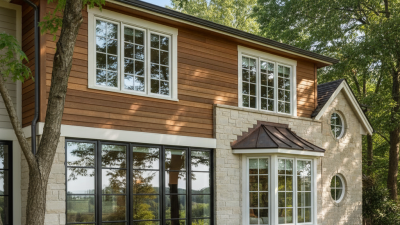
Renovation windows come in various styles and materials. Options like vinyl, wood, and fiberglass each have unique benefits. For example, vinyl is low-maintenance, while wood provides a classic charm. Consider your home's architectural style when choosing.
Cost is another important factor. Quality renovation windows can be a significant investment. However, cheaper windows may not last long or provide adequate insulation. Reflect on your budget and long-term goals. Every choice has its pros and cons. Exploring all possibilities leads to a smarter decision.
Factors to Consider When Selecting Renovation Windows
When selecting renovation windows, several key factors come into play. First, consider the material. Vinyl, wood, and fiberglass each offer unique benefits and drawbacks. Vinyl windows require less maintenance but might lack the aesthetic appeal of wood. On the other hand, wood needs regular upkeep but can enhance your home's charm. Reflect on your lifestyle and how much maintenance you are willing to commit.
Energy efficiency is another critical aspect. Look for windows with good insulation properties to reduce heating and cooling costs. Pay attention to the window’s U-factor and solar heat gain coefficient (SHGC). These measurements indicate how well the window performs in different climates. Ensure you choose options that align with your local weather conditions, as this can directly impact your home’s comfort and energy bills.
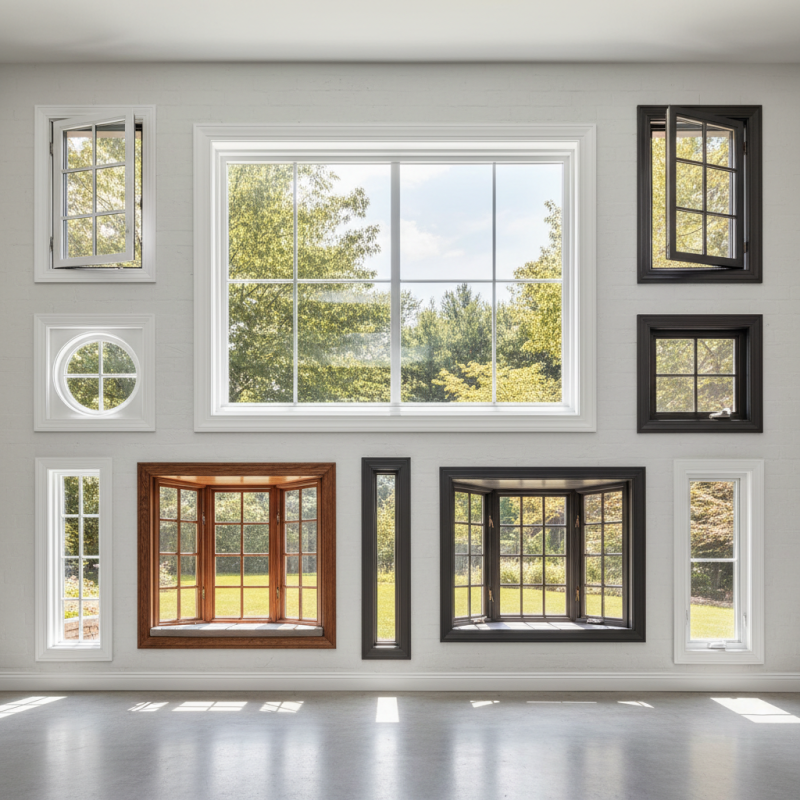
Think about style and functionality. The design of your windows should complement your home’s architecture. Are you looking for casement windows for better ventilation or sliding windows for ease of use? Additionally, consider noise reduction capabilities if you live in a bustling area. The right windows can significantly improve your living experience. Take your time and evaluate your options carefully to avoid hasty decisions that you might regret later.
Types of Renovation Windows and Their Advantages
When considering renovation windows, understanding the types available is essential. Each type has unique advantages that can significantly impact your home’s energy efficiency and aesthetics. According to the U.S. Department of Energy, energy-efficient windows can reduce heating and cooling costs by 12% to 20%.
Vinyl windows are popular due to their affordability and durability. They resist warping, making them ideal for various climates. Their maintenance is minimal compared to wood. However, they may not provide the extensive customization options that homeowners seek.
Fiberglass windows offer strength and insulation. They can be painted or stained, fitting different styles. However, they tend to be pricier and may require professional installation. A study from the National Association of Realtors highlights that remodeling with fiberglass windows can yield a return on investment of up to 70%.
Wood windows, although classic, come with challenges. They require more maintenance to prevent rot. Homeowners should weigh their aesthetic appeal against upkeep requirements. Understanding these variations allows for more informed decisions, catered to both style and efficiency.
Energy Efficiency Ratings and Their Importance
When selecting windows for your home renovation, energy efficiency ratings play a crucial role. These ratings indicate how well windows can insulate your home. They help maintain a comfortable indoor temperature, reducing heating and cooling costs. Poorly rated windows can lead to higher energy bills.
Understanding the U-factor and Solar Heat Gain Coefficient (SHGC) is essential. The U-factor measures thermal performance, while SHGC tells you how much heat comes through your windows. A lower U-factor is generally better for cold climates. Conversely, in warmer areas, a lower SHGC is often preferred.
However, many homeowners overlook these ratings. Some may focus solely on aesthetics or price. This can result in regrettable choices. Choosing the right windows requires balancing appearance and efficiency. Not all beautiful windows are energy-efficient. Hence, take time to research and ensure you make informed decisions for long-lasting comfort and savings.
Energy Efficiency Ratings of Renovation Windows
Choosing the Right Frame Material for Your Windows
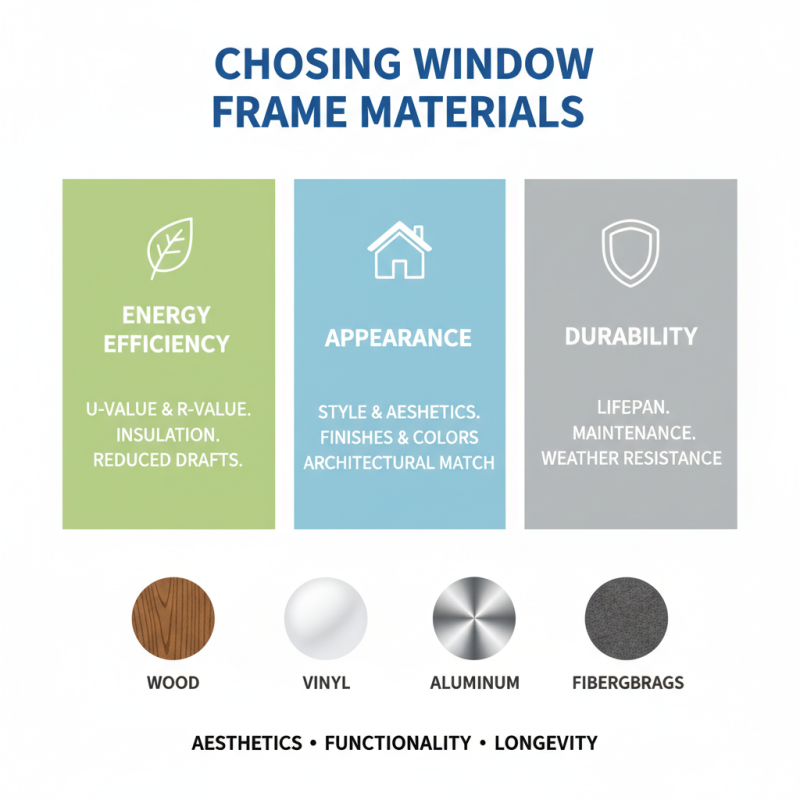
Choosing the right frame material for your windows is essential for both aesthetics and functionality. When selecting materials, consider how they impact energy efficiency, appearance, and durability. Each option has strengths and weaknesses.
Vinyl frames offer excellent insulation. They are low maintenance and resistant to rust and rot. However, they may not match every home’s architectural style. Wood frames provide natural beauty and a traditional vibe. Yet, they require regular maintenance to prevent warping and decay. Metals like aluminum are strong and can hold larger panes of glass, but they conduct heat. This can lead to higher energy costs if not properly insulated.
Reflecting on your priorities can help narrow your choices. Think about climate, location, and budget. Test out different materials to see what feels best. It's easy to overlook how window frames affect the overall feel of a home. Evaluate your needs and be open to revisiting your selection. Windows are an investment, and the right frame can enhance both comfort and value.
Budgeting for Window Renovation Projects
Budgeting for window renovation projects can be an overwhelming task. According to the National Association of Realtors, homeowners typically spend around $300 to $1,500 per window, depending on factors like size and material. This adds up quickly, so having a clear budget is essential.
Consider that installation costs are separate from the window prices. Typically, labor can account for 25% to 50% of the total project cost. This means if you budget $10,000 for 10 windows, expect $2,500 to $5,000 to go toward labor. Understanding these elements helps in setting realistic financial expectations.
Tips: Always get multiple quotes from contractors. This allows you to compare prices and service quality. Also, consider financing options if you're on a tight budget. Remember, investing in energy-efficient windows can reduce long-term costs.
Plan for unexpected expenses, as surprises often pop up in renovation projects. The key is being prepared for costs that may arise. Prioritize your needs over wants, ensuring your selections align with your budget. Balancing quality and affordability is tricky, but it can lead to a successful renovation.