How to Choose the Best Vinyl Windows for Your Home?
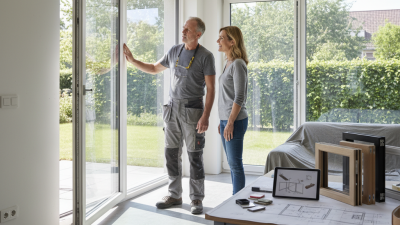
Choosing the right vinyl windows for your home can be a daunting task. With so many options available, making an informed choice is essential. Vinyl windows are popular due to their durability and energy efficiency. However, not all vinyl windows are created equal.
When selecting vinyl windows, consider their design, features, and energy ratings. Each home has unique needs, which makes personalized choices crucial. Many homeowners overlook the overall aesthetic. Windows should complement your home’s style. Additionally, framing options vary widely, which can affect performance and appearance.
It's important to learn from experience. Some homeowners regretted their choices later. Researching to understand the quality and warranty options is vital. Seek suppliers with a solid reputation and ask for reviews. This can guide you toward dependable brands. By taking these steps, you can minimize regrets and find the best vinyl windows for your home.
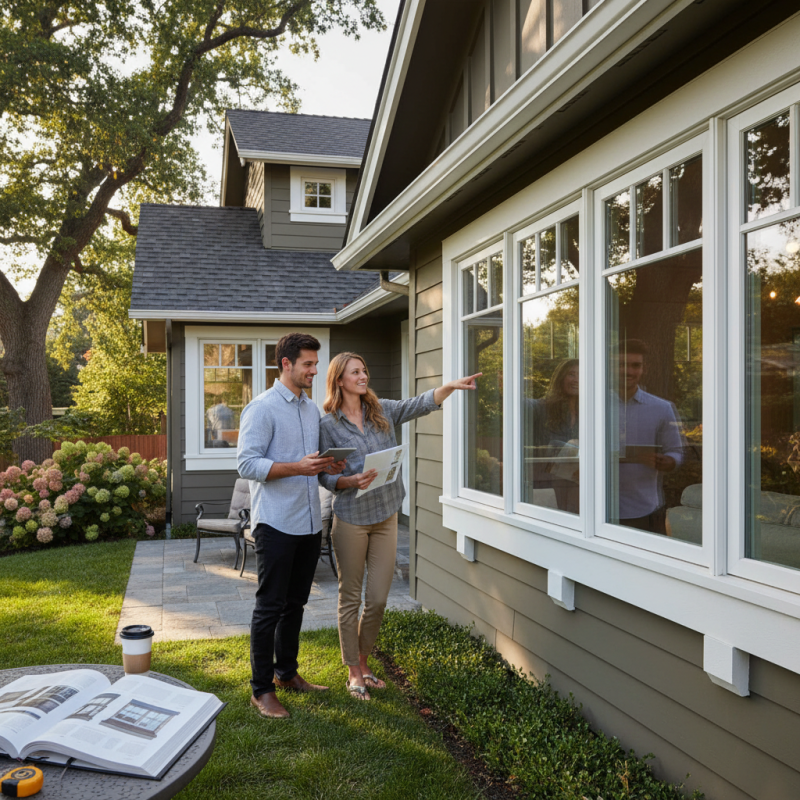
Understanding the Benefits of Vinyl Windows for Your Home
Vinyl windows have gained popularity for a reason. They offer significant energy efficiency, which is crucial for modern homes. According to the U.S. Department of Energy, proper window installation can reduce energy bills by 12% to 25%. Vinyl is inherently resistant to moisture and doesn’t require painting or staining. This durability can extend the lifespan of your windows significantly.
Homeowners appreciate the low maintenance aspect of vinyl windows. They don't warp, peel, or require frequent repairs. Studies from the American Window and Door Institute show that vinyl windows have an average lifespan of 20 to 40 years. This longevity translates to long-term savings. However, it’s essential to note that not all vinyl is created equal. Some lower-quality products can fade or lose insulation properties over time.
Aesthetics also play a crucial role. Vinyl windows come in various colors and styles, allowing homeowners to match their curb appeal. While this flexibility is a benefit, it can sometimes lead to decision fatigue. Many homeowners find themselves overwhelmed by the options available. Taking the time to research, perhaps consulting with a window expert, can help in making a more informed choice. Keeping these factors in mind ensures a durable, attractive addition to any home.
Key Factors to Consider When Choosing Vinyl Windows
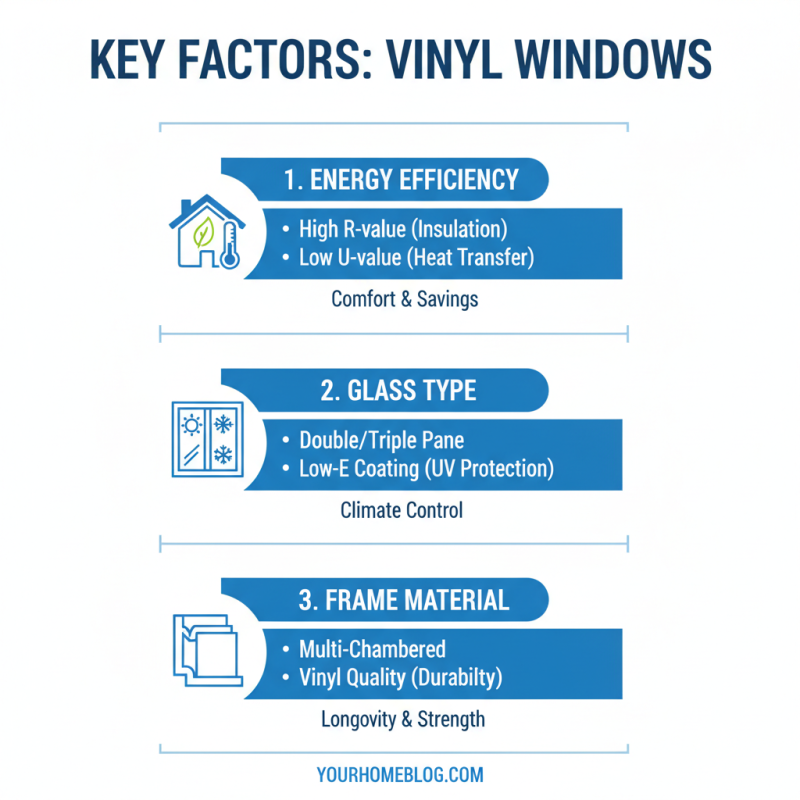
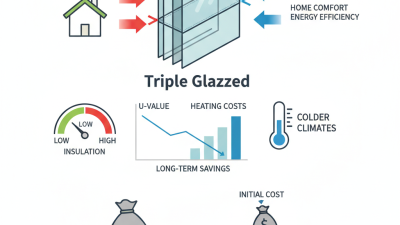
Choosing vinyl windows for your home involves many key factors. Start by considering energy efficiency. Look for windows with high R-values and low U-values. The right thermal performance keeps your home comfortable and reduces energy costs.
Durability is another important aspect. Quality vinyl windows resist warping, fading, and cracking. Longevity matters, especially in harsh climates. Check the warranty offered. This reflects the manufacturer’s confidence in the product.
Also, think about aesthetics. Vinyl windows come in various colors and styles. Ensure the design complements your home’s architecture. It’s easy to overlook this detail. Maintenance is another point. Vinyl windows generally require less upkeep than wood. However, some models may need regular cleaning. Always research thoroughly to make an informed choice.
Comparing Different Styles and Designs of Vinyl Windows
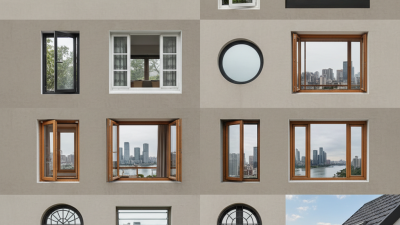
When selecting vinyl windows, it's essential to consider different styles and designs that suit your home. Casement windows offer a modern look and excellent ventilation. They open outward and can be placed higher on the wall for better views. Double-hung windows, on the other hand, maintain a classic aesthetic. They allow you to slide both sashes, providing versatile airflow.
Sliding windows are another option to explore. They open horizontally, making them ideal for spaces where you need easy access. Picture windows are fixed and allow maximum light. However, they don’t open, which can limit ventilation. Each design comes with its pros and cons. You might admire the sleek look of casements but question their accessibility for cleaning.
Beyond just style, the design impacts energy efficiency too. Look for windows with multiple chambers that improve insulation. Aesthetics should align with function. It’s common to find styles that don't fully match your preferences or needs during initial shopping. Take your time to weigh options, and don't hesitate to revisit already considered designs.
How to Choose the Best Vinyl Windows for Your Home? - Comparing Different Styles and Designs of Vinyl Windows
| Window Style |
Design Features |
Energy Efficiency Rating |
Maintenance Requirements |
Typical Cost ($) |
| Double-Hung |
Two movable sashes, easy to clean |
Low to Moderate |
Low maintenance, occasional cleaning |
300 - 600 |
| Casement |
Side hinged, opens outward for ventilation |
High |
Minimal upkeep, can be tricky to clean |
400 - 700 |
| Sliding |
Horizontal sliding panels, easy to operate |
Moderate |
Occasional cleaning of tracks |
350 - 650 |
| Picture |
Fixed pane for aesthetics, no opening |
High |
Very low maintenance |
250 - 500 |
| Awning |
Top hinged, opens outward from the bottom |
High |
Low maintenance, easy to clean |
400 - 750 |
Evaluating Energy Efficiency Ratings of Vinyl Windows
When choosing vinyl windows, energy efficiency plays a crucial role. Various metrics help evaluate their performance. Look for U-factor ratings. Lower numbers indicate better insulation. The Solar Heat Gain Coefficient (SHGC) is equally important. It measures how much heat enters your home. A lower SHGC is beneficial in warmer climates.
Consider the Energy Star label. Windows with this certification meet strict efficiency standards. They can significantly reduce your energy bills. Additionally, pay attention to the R-value. Higher R-values mean better insulating properties. These aspects are vital for comfort and saving on energy costs.
Not all windows perform the same. Some may not hold up under extreme weather. Research materials and warranties. Instillation quality also affects long-term efficiency. A poorly installed window can lead to air leaks. Investing time in research ensures you make an informed decision. Keep in mind, not every choice will be perfect. You may need to prioritize specific features over others.
Installation and Maintenance Tips for Vinyl Windows
When choosing vinyl windows, proper installation and maintenance are crucial. Poor installation can lead to air leaks and reduced energy efficiency. It’s essential to consider the fit and ensure the frame is square. This may require precision measuring and adjustments during the process.
To maintain your vinyl windows, clean them regularly using a mild soap solution. Avoid abrasive cleaners that can scratch the surface. Inspect seals and weather stripping for any signs of wear. If you notice damage, prompt repairs can prevent more significant issues. Vinyl frames can become discolored over time, so periodic cleaning helps retain visual appeal.
Regular checks on hardware, such as locks and hinges, are also necessary. Lubricating moving parts can enhance their lifespan. Remember, while vinyl windows are durable, they can still suffer from wear and tear. Annual inspections allow you to catch potential problems early. Taking these steps ensures your windows remain functional and attractive for years.