How to Choose the Best Casement Windows for Your Home?
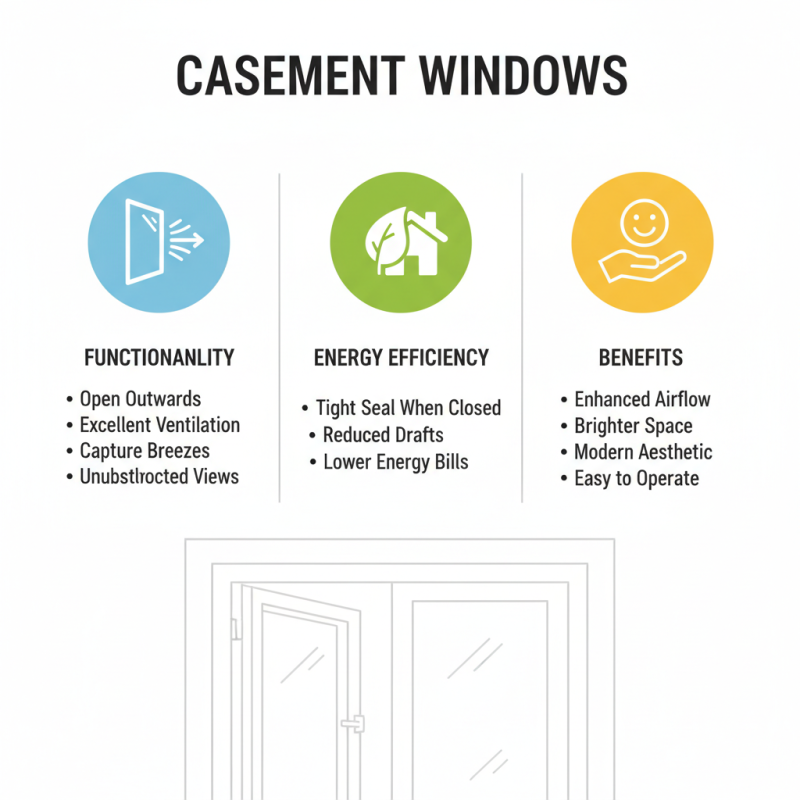
Choosing the best casement windows for your home is crucial. These windows are known for their energy efficiency and versatility. They open outward, providing excellent ventilation and unobstructed views. However, not all casement windows are created equal.
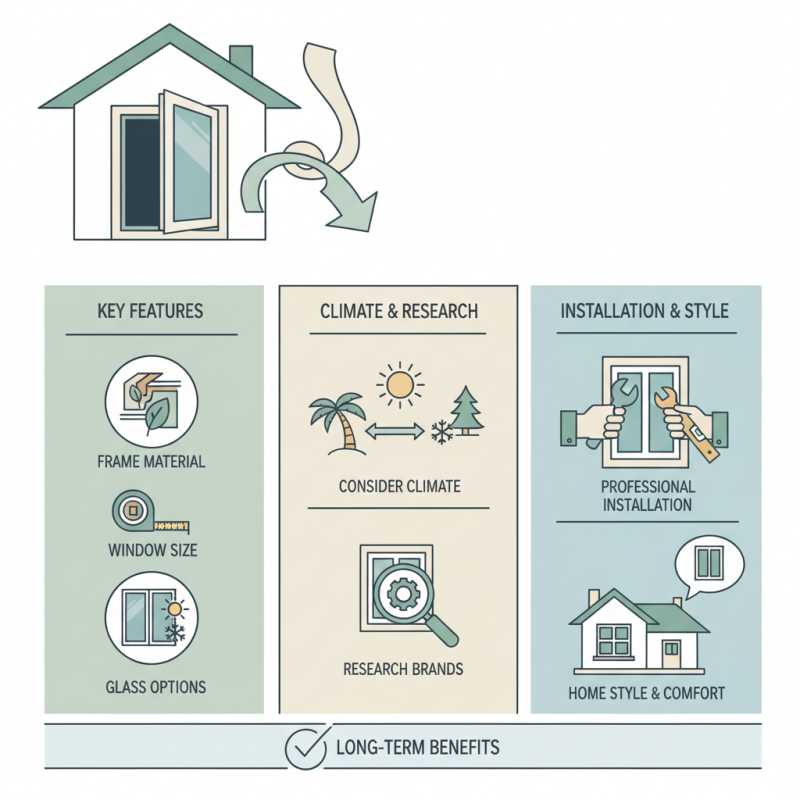
Homeowners often overlook key features. Frame material, window size, and glass options can all affect performance. Consider the climate in your area. Windows that work well in one region may not be suitable for another. Research various brands to ensure reliability and durability.
Installation is another critical aspect. Poorly installed casement windows can lead to air leaks and energy loss. Look for professionals with experience in window installation. Quality craftsmanship matters. Investing time in your selection can lead to better long-term results. Your choice of casement windows should reflect your home’s style and enhance its comfort.
Understanding the Functionality and Benefits of Casement Windows
Casement windows are a popular choice for many homeowners. They open outward, providing excellent ventilation. This design also allows for unobstructed views, making your space feel larger. When fully open, they capture breezes, maximizing airflow in your home. Moreover, the tight seal when closed offers superior energy efficiency.
One benefit of casement windows is security. The design makes them harder to pry open from the outside. Homeowners appreciate the additional peace of mind this feature provides. However, in windy areas, the outward-opening style may cause issues. It’s important to assess local weather conditions before deciding. Additionally, maintenance can be tricky; hinges may require regular checks.
Aesthetic appeal is another aspect to consider. Casement windows enhance the visual interest of both classic and modern homes. Yet, the style may not suit every house design. Homeowners should think about compatibility with their existing architecture. Not all casement windows come with the same quality; researching materials is essential. Balancing functionality with style ensures a better decision for your living space.
Key Factors in Selecting the Right Material for Casement Windows
Choosing the right material for casement windows is crucial. It impacts aesthetics, durability, and cost. Popular materials include vinyl, wood, and aluminum. Each comes with unique benefits and drawbacks that should align with your home’s needs.
Vinyl windows are low-maintenance and energy-efficient. They resist fading and are available in various colors. However, their limited aesthetic options may not suit all architectural styles. On the other hand, wood provides a classic look. It offers excellent insulation but requires regular upkeep. Neglecting maintenance can lead to rot and decay over time.
Aluminum windows are strong and lightweight. They resist rust and offer sleek designs. But they may conduct heat, impacting energy efficiency. Consider your climate and the window's orientation in relation to the sun. This choice can affect your home's overall energy use.
**Tips:** Always check local building codes. They may influence your window choices. Consulting with a professional can provide insights tailored to your home. Prioritize materials that fit your lifestyle and budget. Selecting casement windows is not just about looks; it's about making a lasting decision.
How to Choose the Best Casement Windows for Your Home? - Key Factors in Selecting the Right Material for Casement Windows
| Material |
Energy Efficiency |
Durability |
Maintenance |
Cost (per window) |
| Vinyl |
Excellent |
High |
Low |
$200 - $500 |
| Aluminum |
Good |
Medium |
Medium |
$300 - $700 |
| Wood |
Good |
High |
High |
$400 - $800 |
| Fiberglass |
Excellent |
Very High |
Low |
$500 - $1000 |
Evaluating Energy Efficiency Ratings of Casement Windows
When choosing casement windows, energy efficiency is crucial. Look for windows with low U-values. A U-value measures heat transfer. The lower the U-value, the better the insulation. This means less energy use and lower bills.
Tips: Check the Energy Star rating. Windows that meet this standard are designed to save energy. Pay attention to solar heat gain coefficients, too. They indicate how much heat enters your home from sunlight.
Not all windows will perform equally. Sometimes, even high-rated windows can lose effectiveness over time. Inspect for seals and frames regularly. Upgrade or repair as needed to maintain energy efficiency.
Small details matter greatly. Consider double or triple glazing for better insulation. This can significantly improve your home’s energy performance. However, make sure installation is done professionally. Poor installation can negate the benefits of any window.
Comparing Casement Window Styles and Designs for Aesthetic Appeal
When choosing casement windows, style and design greatly influence the overall aesthetic of your home. These windows offer a charming, classic look that can elevate any space. Available in various materials, such as vinyl, wood, and aluminum, the choice is essential for both beauty and function. For instance, wood exudes warmth but requires more upkeep. Vinyl, on the other hand, is durable and low-maintenance.
Tips: Consider the architectural style of your home. For a contemporary look, sleek aluminum frames might suit better. Traditional homes may benefit from wooden frames or decorative grilles that mimic historical designs.
The color and finish of casement windows can also impact your home’s visual appeal. Lighter shades can make a space feel airy and open, while darker hues add elegance and warmth. Take note that the wrong color choice could clash with your home's exterior.
Tips: Always look at color samples in different lighting. This ensures you choose a shade that harmonizes with your façade throughout the day.
Ensure the window design allows for maximum ventilation. Casement windows open outward, providing fresh air and natural light. Yet, be cautious of placement near walkways. A poorly positioned window could obstruct movement.
Assessing Installation Costs and Maintenance Requirements of Casement Windows
When assessing installation costs for casement windows, it's essential to understand various factors. According to recent industry studies, installation costs can range from $300 to $1,000 per window. Labor expenses play a significant role in this variation. Experienced professionals typically charge between $50 and $100 per hour. Depending on the complexity of the installation, additional costs may arise.
Maintenance is another vital aspect to consider. Casement windows are generally low-maintenance but do require some attention. Industry data indicates that homeowners should expect to spend around $200 annually on upkeep, including cleaning and seal replacements. While many materials are durable, weatherstripping may need periodic replacement.
As you weigh these costs, contemplate the long-term value. Poor installation can lead to higher energy bills. Inadequate maintenance can shorten a window's lifespan. The balance between initial costs and ongoing care is critical. Making informed decisions now can prevent significant headaches later on.
Cost Comparison of Casement Window Installation and Maintenance