In today's world, where energy efficiency and indoor comfort have become paramount, the choice of windows in our homes plays a significant role in achieving both. Double glazed windows have emerged as a popular solution for homeowners seeking to enhance their living environments while minimizing energy consumption. These innovative windows consist of two layers of glass, separated by a special spacer filled with gas, which not only improves thermal insulation but also reduces noise pollution.
The benefits of double glazed windows extend beyond just energy savings; they contribute to a more comfortable living space by maintaining a stable indoor temperature throughout the year. By reducing heat loss in winter and keeping interiors cool in summer, these windows create a more pleasant atmosphere for residents. Furthermore, they help in lowering energy bills, making them a financially savvy choice in the long run.
As the demand for sustainable and efficient building solutions rises, double glazed windows stand out as a vital investment for eco-conscious homeowners. Their ability to enhance both energy efficiency and comfort makes them a compelling option for anyone looking to improve their home environment while being mindful of their energy footprint.
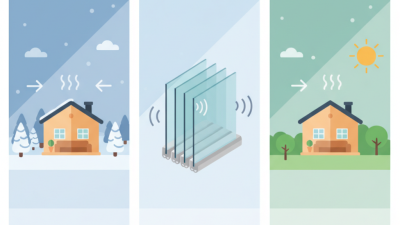
Double glazed windows, also known as insulated glazing, consist of two panes of glass separated by a space filled with air or gas, which significantly enhances their energy efficiency. This design acts as a barrier to heat transfer, meaning that in the winter, warm air from your heating system stays inside, while in the summer, the heat from outside is kept at bay. By reducing the amount of heat that escapes or enters your home, double glazed windows can help maintain a more consistent indoor temperature, ultimately leading to lower energy bills.
In addition to thermal efficiency, double glazing provides an enhanced level of comfort. The reduction in heat loss contributes to a more stable and comfortable environment, which is particularly beneficial in extreme weather conditions. Furthermore, these windows also offer sound insulation, minimizing the intrusion of outside noise. This acoustic barrier enhances the overall living experience, creating a peaceful indoor atmosphere. As homeowners increasingly focus on energy efficiency and comfort, double glazed windows present a compelling solution that combines both practical benefits and improved quality of life.
Double glazed windows are increasingly favored for their exceptional energy efficiency and comfort enhancement. One of their most notable features is the insulating layer of gas, usually argon or krypton, sealed between two panes of glass. This barrier significantly reduces heat transfer, keeping your home warmer in winter and cooler in summer. By minimizing drafts and maintaining a stable indoor temperature, double glazed windows provide a significantly more comfortable living environment.
Moreover, these windows also contribute to noise reduction. The air pocket between the panes helps to dampen sound, making homes in noisy urban areas much quieter. Residents can enjoy a peaceful atmosphere free from disturbances, which is particularly beneficial for bedrooms and home offices.
Tips: When selecting double glazed windows, look for those with a lower U-value, as this indicates better insulation performance. Additionally, consider double glazing with a low-E coating, which can further enhance energy efficiency by reflecting heat into your living space during colder months while keeping excess heat out in the summer. Investing in quality double glazed windows not only boosts comfort but also leads to long-term savings on energy bills.
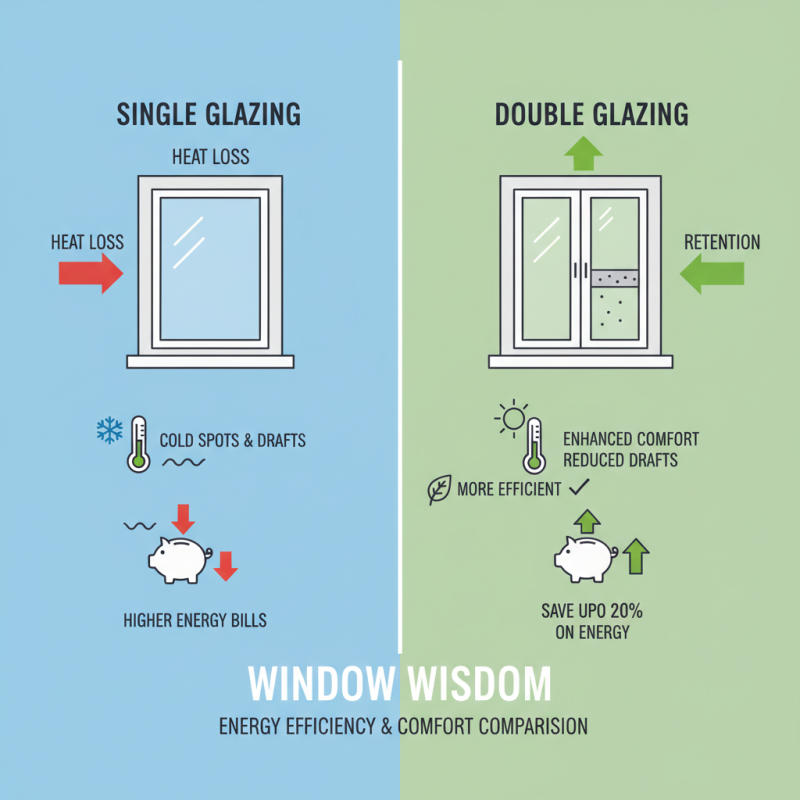
When comparing double glazed windows to their single glazed counterparts, the advantages of energy efficiency and comfort become strikingly clear. Double glazing involves two panes of glass with a sealed space between them, often filled with gas for insulation. This design significantly reduces heat loss, with studies indicating that double glazed windows can decrease energy bills by up to 20% compared to single glazed units. In colder climates, this can lead to substantial savings as well as enhanced indoor comfort, eliminating cold spots and drafts.
Another critical point to consider is sound insulation. The layered structure of double glazing not only keeps the heat in but also reduces noise pollution from the outside. According to the Glass and Glazing Federation, double glazing can reduce external noise levels by up to 30 decibels, making your home a quieter and more peaceful place. This is particularly beneficial for homes located in busy urban areas, where noise can significantly affect quality of life.
Tips: When choosing double glazed windows, look for those with low-E (low emissivity) coatings and gas-fill options. These features can enhance thermal performance even further. Additionally, ensure that the windows meet local energy efficiency standards to maximize comfort and savings in your home. Investing in quality installation can also make a notable difference in performance, ensuring that the benefits of double glazing are fully realized.
Double glazed windows significantly influence heating and cooling costs, making them an essential investment for homeowners looking to enhance energy efficiency. These windows consist of two panes of glass separated by a layer of gas, typically argon or krypton, which acts as an insulator. This design minimizes heat transfer, allowing homes to retain warmth during winter and staying cooler in summer. As a result, households can rely less on heating systems and air conditioning, leading to lower energy consumption and reduced utility bills.
Moreover, the thermal performance of double glazed windows not only saves money but also contributes to a more comfortable living environment. By reducing drafts and temperature fluctuations, these windows create stable indoor conditions, enhancing overall comfort. Homeowners can enjoy consistent temperatures throughout their living spaces without the hassle of frequent adjustments to their heating and cooling systems. This combination of energy savings and improved comfort makes double glazed windows a wise choice for anyone looking to optimize their home's performance and reduce their carbon footprint.
| Window Type | Heating Cost Reduction (%) | Cooling Cost Reduction (%) | Average ROI (Years) | Noise Reduction (dB) |
|---|---|---|---|---|
| Single Glazed | 10% | 5% | 15 | 30 dB |
| Double Glazed | 30% | 20% | 5 | 35 dB |
| Triple Glazed | 40% | 25% | 3 | 40 dB |
| Low-E Double Glazed | 35% | 22% | 4 | 38 dB |
Double glazed windows are often surrounded by several myths and misconceptions that can mislead homeowners considering energy efficiency upgrades. One common myth is that double glazing is only beneficial in cold climates. In reality, studies such as the "2019 International Energy Agency Report" have shown that double glazed windows can significantly reduce heat gain during warmer months as well. This means they contribute to reducing energy costs in both heating and cooling, making them an excellent choice regardless of geographical location.
Another misconception is that double glazed windows are too heavy and complex to install in existing homes. Contrary to this belief, industry research indicates that advancements in manufacturing have allowed for lightweight options that can seamlessly fit into most window frames. According to the "Building Research Establishment’s 2020 Study", retrofitting double glazing can enhance thermal performance by up to 34%, highlighting the practicality and effectiveness of these windows. By dispelling these myths, homeowners can better appreciate the numerous benefits of upgrading to double glazed windows, especially when it comes to energy efficiency and overall comfort in their living spaces.