Choosing the best residential windows is not simply a matter of selecting the lowest price or the widest glass area. Performance depends on climate, orientation, frame material, installation quality, and household comfort priorities. A shaded south-facing window may need different specifications from a windy north-facing window.
The U.S. Department of Energy reports that windows can account for approximately 25% to 30% of residential heating and cooling energy use. That figure makes window selection a practical energy decision, not merely a design preference. ENERGY STAR guidance also emphasizes climate-specific performance requirements, helping homeowners compare suitable products more reliably. The National Fenestration Rating Council provides standardized labels for U-factor, solar heat gain coefficient, visible transmittance, and air leakage.
Numbers matter.
A lower U-factor generally improves insulation. However, it is not automatically the best choice for every room or region. Excessive solar control can reduce winter warmth, while large glass areas may increase summer cooling demand. This is where professional evaluation becomes valuable. Experienced installers can identify rough openings, moisture risks, flashing problems, and local weather exposure before installation begins.
NFRC ratings support comparison, but they cannot compensate for poor workmanship. A high-performing window installed over an uneven sill may still leak air or water. Homeowners should examine product certifications, warranty terms, installer credentials, and whole-life costs. A careful decision may involve fewer decorative features and better long-term comfort. That trade-off deserves honest consideration.
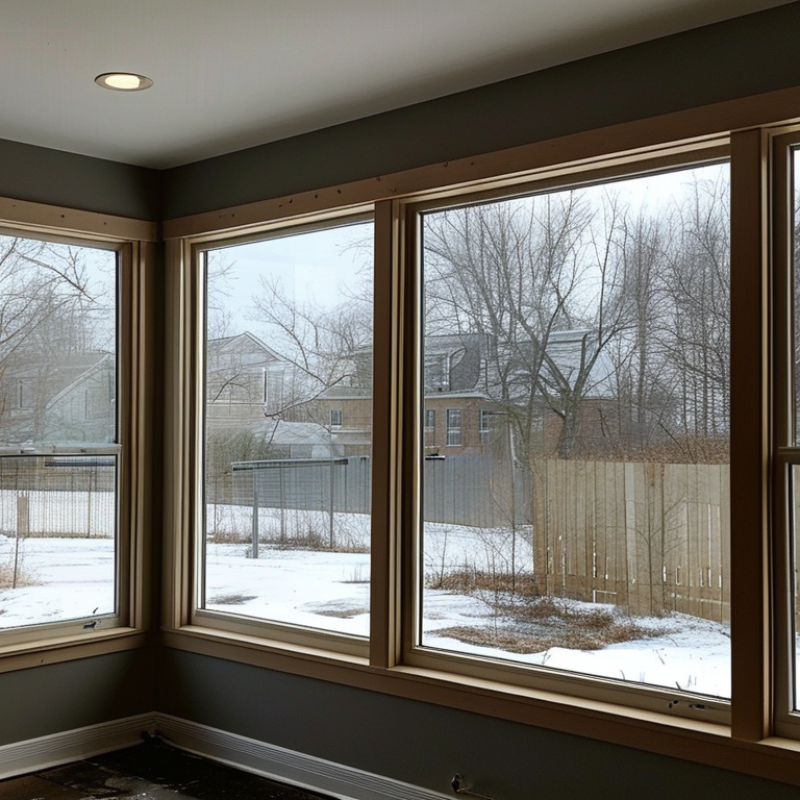
Choosing the best residential windows starts with defining your needs, not comparing attractive frames. Walk through each room at different times of day. A south-facing bedroom may need solar control, while a shaded bathroom may need more daylight. Note drafts, condensation, outside noise, and difficult-to-open windows.
Measure more than the rough opening. Record wall depth, sill height, interior trim, and exterior drainage conditions. Bedrooms may require emergency escape access, depending on local building requirements. A kitchen often benefits from a window that opens easily above the sink. In a busy street-facing room, laminated or acoustic glass can reduce noise. In humid areas, inspect ventilation before choosing highly sealed units.
Climate also changes the specification. Cold regions usually need low-emissivity glazing and insulated frames. Hot regions may need stronger solar heat reduction. Coastal homes require durable hardware and careful corrosion resistance. Ask for tested performance values, installation details, and warranty terms. A reliable installer should explain air leakage, water resistance, and thermal performance in plain language.
I once underestimated afternoon glare. The room looked bright, but the furniture faded faster than expected. That mistake taught me to study sunlight, not just window size. Remember this detail. A larger window is not automatically better. It can increase heat gain, maintenance, and replacement cost. Your home’s orientation, daily routines, comfort goals, and budget should guide every selection.
Define your window needs by comparing the key performance factors that affect comfort, energy use, daylight, and air tightness.
Lower U-factor and air leakage values generally indicate better insulation and tighter construction. SHGC should be selected according to your climate and solar exposure, while a higher visible transmittance (VT) provides more natural daylight. These representative residential performance values should be checked against local building requirements and NFRC-rated products.
Choosing residential windows starts with the frame, not the glass alone. In renovation work, I compare heat, moisture, maintenance, and wall exposure. Vinyl frames resist rot and usually cost less. They can expand noticeably in strong sun. Wood offers warmth and good insulation, but it needs regular sealing. Aluminum frames are slim and strong. However, metal conducts heat unless it includes a thermal break. Fiberglass is stable and durable, though its higher price may challenge smaller budgets. No material wins everywhere. It depends.
Window style changes airflow, cleaning, and usable space. Casement windows open outward with a tight seal and useful cross-ventilation. Awning styles work well above sinks or in rainy climates. Double-hung windows slide vertically and suit traditional rooms. Sliding windows need little clearance but often provide less open area. Picture windows bring daylight, yet they do not ventilate. Measure the opening, furniture clearance, and required emergency escape space. Check the fit twice. A beautiful style can become inconvenient beside a bed or countertop.
Frame design deserves a closer look. Narrow profiles increase glass area, while deeper frames may improve strength and installation tolerance. Check drainage paths, corner joints, locking points, and the sill’s slope. Ask for independent air leakage, water resistance, and thermal performance data. Local climate matters more than showroom appearance. Coastal air, winter frost, and intense afternoon sun expose different weaknesses. I once favored the thinnest frame, then noticed its interior surface felt cold. That choice looked elegant, but comfort mattered more. Recheck the wall condition before ordering; old openings are rarely perfectly square.
Choosing residential windows starts with your local climate, not appearance. In cold regions, prioritize a low U-factor to reduce indoor heat loss. In hot areas, a lower solar heat gain coefficient can limit afternoon overheating. However, climate zones rarely behave perfectly. A shaded north-facing window may need different glass from a sunlit west-facing window.
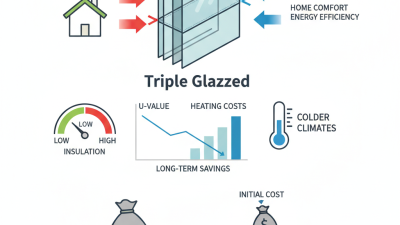
Double-pane glass suits many homes, while triple-pane units can improve comfort in severe cold. Low-emissivity coatings help control radiant heat without blocking normal daylight. Gas-filled spaces may improve insulation, but damaged seals can reduce performance over time. Warm-edge spacers and tight frames also matter. Glass alone does not determine efficiency.
Look for tested U-factor, solar heat gain, visible transmittance, and air-leakage ratings. Compare values suited to each room’s orientation. In humid climates, condensation resistance deserves attention, especially near kitchens and bathrooms. Coastal homes may need stronger framing and corrosion-resistant hardware. Installation quality is equally important. Small gaps around the frame can undermine expensive glass. I have seen attractive windows perform poorly because the surrounding flashing was rushed.
Do not assume the highest rating is always best. More insulation can reduce winter heat loss, yet excessive solar gain may still create summer discomfort. Local building requirements, shading, ventilation, and wall insulation should shape the decision. A qualified installer can inspect these conditions before quoting. Even then, ask for written performance data and warranty terms. Prices can hide important differences.
Choosing residential windows starts with installation, not appearance. A well-made window can still leak when fitted poorly. During site inspections, I look for square openings, continuous flashing, and a drained sill pan. Replacement windows usually fit inside existing frames, causing less wall disturbance. Full-frame installation removes the old frame and exposes hidden damage. It costs more time, but it can improve insulation and reveal rot. Ask the installer how water will leave the assembly. That detail matters. A neat bead of sealant is not a drainage system.
Maintenance needs should match the home's exposure. Coastal air, dusty roads, and heavy rain place different demands on hardware and seals. Clean tracks twice a year, check weep holes, and examine cracked caulk after severe weather. Never paint over moving parts. Small failures grow. I have seen a stiff latch become a broken sash because it was ignored for one season. Some advice is easy to overstate, though. “Maintenance-free” rarely means care-free; it usually means lower routine effort.
Lifespan depends on frame material, glass design, installation quality, and climate. Keep records of the installation date, glass type, and service visits. Many windows perform well for decades, but seals, balances, and weatherstripping may need earlier replacement. Condensation between panes is a warning, not merely an appearance issue. Before choosing, compare the warranty with actual repair coverage. Read the exclusions carefully. A longer promise does not guarantee a longer service life.
| Window Type | Typical Frame Material | Common Installation Method | Energy-Efficiency Considerations | Maintenance Needs | Typical Service Life* | Best-Suited Applications | Key Limitations |
|---|---|---|---|---|---|---|---|
| Vinyl | Multi-chambered PVC or uPVC | Replacement installation into an existing frame, or full-frame installation when the old frame is damaged | Generally good insulation; performance depends on glazing, air leakage, frame design, and proper installation | Low maintenance; clean with mild soap and water, inspect seals, and lubricate moving hardware as needed | Approximately 20–40 years | Budget-conscious replacement projects and homes seeking low routine maintenance | May expand or contract with temperature changes; color and frame quality vary by product |
| Wood | Painted or stained solid wood, often with exterior protection | Usually full-frame installation for new construction or extensive renovation; replacement installation is possible when the existing frame is sound | Natural wood provides good insulation; low-emissivity glazing and tight weather-sealing improve overall performance | Higher maintenance; inspect regularly for moisture, peeling finish, rot, and failed sealants; repaint or refinish periodically | Approximately 30–60 years or longer with diligent maintenance | Traditional homes, custom designs, and projects prioritizing appearance and repairability | More vulnerable to moisture, insects, and neglect; usually costs more to maintain |
| Fiberglass | Glass-fiber-reinforced polymer | Replacement or full-frame installation, selected according to the condition of the existing opening | Low thermal expansion and strong frames can support efficient glazing and stable long-term performance | Low maintenance; wash surfaces, check drainage paths, inspect weatherstripping, and service hardware | Approximately 30–50 years | High-performance projects requiring dimensional stability and durable frame construction | Often carries a higher initial cost and may have fewer style options than common alternatives |
| Aluminum | Extruded aluminum, preferably with a thermal break | Replacement or full-frame installation; full-frame work is common when upgrading older, thermally inefficient frames | Strong and slim frames; thermal-break construction and high-performance glazing are important because aluminum conducts heat readily | Low to moderate maintenance; clean frames, clear weep holes, inspect corrosion, and lubricate hardware | Approximately 20–45 years | Large openings, contemporary designs, and locations requiring high structural strength | Non-thermally-broken frames can reduce comfort and increase condensation or heat transfer |
| Composite | Combination of materials such as wood fibers, polymers, or resin-based compounds | Replacement or full-frame installation, based on the opening condition and project scope | Often combines good insulation with improved resistance to moisture and dimensional movement; verify tested ratings | Generally low maintenance; clean periodically and inspect seals, finishes, drainage, and hardware | Approximately 30–50 years | Homeowners seeking a balance of appearance, durability, and thermal performance | Quality and performance differ substantially among formulations and manufacturers |
| *Service-life ranges are general planning estimates, not guarantees. Actual longevity depends on climate, exposure, installation quality, glass and hardware quality, operating frequency, moisture control, and maintenance. For any window type, verify the independently tested U-factor, solar heat gain coefficient, air-leakage rating, visible transmittance, and local code compliance before purchase. | |||||||
A realistic window budget begins with more than the product price. Include glass type, frame material, installation, interior trim, disposal, and possible wall repairs. My first estimate once ignored trim work. That mistake added several hundred dollars.
Ask each provider for a detailed, written quote. It should list window sizes, energy ratings, materials, labor, taxes, and payment stages. Compare matching specifications, not just the final price. A low quote may exclude flashing or removal fees. That can become expensive later.
A reliable provider explains the process in plain language. They should measure every opening, discuss ventilation, and inspect moisture around existing frames. Request proof of insurance, relevant licenses, and recent customer references. Check whether their installation team is trained or subcontracted. Read the warranty carefully, especially its coverage for glass, hardware, labor, and leaks. Do not accept pressure to sign immediately. Good providers allow time for questions.
During a site visit, notice practical details. Do workers protect floors and furniture? Do they explain how windows will open after installation? Ask who handles permits when local rules require them. Keep a written record of measurements and agreed changes. Some advice may sound confident but remain vague. That is a warning sign. A provider can be friendly and still be unreliable. Trust clear documents, consistent answers, and evidence from completed projects.