Why Should I Replace My Windows for Better Energy Efficiency?
When it comes to energy efficiency in our homes, one of the biggest decisions is whether to "replace my windows." According to energy expert John Connors, "Replacing old windows can drastically reduce energy costs and improve comfort." His insight highlights an often-overlooked aspect of home renovation. Many homeowners hesitate, unsure if the investment is worth it.
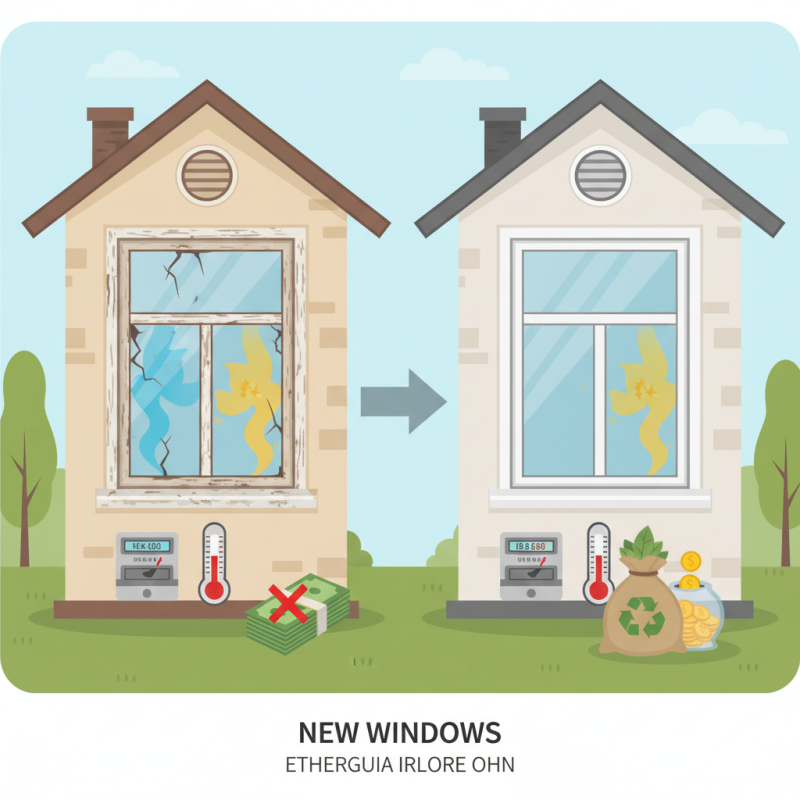
Old windows may look fine, but they can be the culprit behind rising energy bills. Gaps and worn seals allow drafts to seep in, making heating and cooling systems work harder. Imagine cozying up in a room where cold air flows around you. That’s the discomfort many face, yet they choose to endure it. It’s essential to recognize that old windows not only affect indoor temperature but also contribute to energy waste.
Replacing windows is not just about aesthetics; it's about creating a more energy-efficient environment. It’s about making the right choices for our wallets and the planet. Yet, many people remain hesitant. They fear the costs and the disruption. It’s valid to weigh these factors carefully. However, considering the potential long-term savings, waiting may not be the best choice. Instead of holding on, let's explore the benefits of making this vital change.
Understanding Energy Efficiency in Windows
Windows play a significant role in a home's energy efficiency. They can affect heating and cooling costs greatly. According to the U.S. Department of Energy, up to 30% of a home's heating energy can escape through inefficient windows. That's a staggering loss. Homeowners often overlook this fact. Upgrading windows may seem costly initially, but the long-term savings can be substantial.
When selecting new windows, consider the energy ratings. Windows with a low U-value reduce heat transfer. A lower Solar Heat Gain Coefficient (SHGC) ensures less heat enters during hot months. The National Fenestration Rating Council (NFRC) provides reliable data. They rate windows based on energy performance. Investing in efficient windows can lead to energy savings of 15% to 25%. It's a compelling statistic.
Many people hesitate to replace windows. The inconvenience and upfront costs can be daunting. But think about the comfort of your home. Drafty windows can cause cold spots. That's not just uncomfortable; it wastes energy. A simple change can enhance your living space. Planning for new windows might be a challenge, but it could yield benefits worth the effort.
Signs Your Windows Need Replacement
Windows play a crucial role in your home's energy efficiency. Old or damaged windows can be a significant source of energy loss. If you notice drafts in your home, it's a sign that your windows may need replacing. Even slight drafts can lead to increased energy bills. Sealing gaps might not be enough anymore.
Condensation between the glass panes is another indication. It shows that the seals are failing. This can reduce natural light and make your space feel less inviting. Also, if your windows are hard to open or close, this can point to issues with warping or damage. Frustration is common, but it’s important to consider why the window is acting up.
Additionally, if your home feels too hot in summer and too cold in winter, it might be time for a change. Windows should help regulate indoor temperature, not hinder it. If you find yourself adjusting the thermostat frequently, this could warrant a closer look at your windows. Ignoring these signs can lead to greater costs down the line. It may be wise to reflect on the condition of your windows and their impact on comfort and efficiency.
Benefits of New Windows for Energy Savings
When considering energy efficiency, windows play a crucial role. Old or damaged windows can lead to significant energy loss. Up to 30% of a home’s heating and cooling can escape through them. By replacing old windows with energy-efficient models, you can greatly reduce this loss. New windows have better insulation features, which help maintain a comfortable indoor climate.
Installations with double or triple glazing can significantly decrease heat transfer. These windows keep cool air in during summer and warm air inside during winter. This not only enhances comfort but also contributes to lower energy bills. Homeowners might notice a reduction in their monthly utility costs after the replacement. Over time, these energy savings add up.
However, many overlook the long-term benefits. The initial investment may seem daunting. But consider the cost of heating or cooling your home every month. It may require reflection to appreciate these savings. The environmental impact is also worth mentioning. Using less energy reduces your carbon footprint. So, replacing windows serves both your wallet and the planet.
Why Should I Replace My Windows for Better Energy Efficiency? - Benefits of New Windows for Energy Savings
| Benefit |
Description |
Estimated Energy Savings (%) |
Additional Notes |
| Improved Insulation |
New windows provide better insulation, reducing heat loss in winter and preventing heat gain in summer. |
20-25% |
Energy-efficient window models are often rated better for insulation. |
| Lower Utility Bills |
With enhanced energy efficiency, monthly heating and cooling costs can significantly decrease. |
10-30% |
Savings vary based on location and climate. |
| Increased Comfort |
New windows minimize drafts and temperature fluctuations, enhancing indoor comfort. |
N/A |
Particularly important in extreme climates. |
| UV Protection |
Modern windows often feature coatings that block harmful UV rays, protecting furniture and flooring. |
N/A |
Helps to maintain the aesthetic of your home. |
| Noise Reduction |
New windows can reduce outside noise, creating a more peaceful indoor environment. |
N/A |
Especially beneficial for homes in busy areas. |
Types of Energy-Efficient Windows Available
When it comes to energy-efficient windows, several types stand out. Double-pane windows are a popular option. They consist of two glass panes separated by a gas fill, typically argon or krypton. These gases act as insulators, reducing heat transfer. According to the U.S. Department of Energy, replacing single-pane windows with double-pane models can lead to energy savings of up to 18% in winter and 25% in summer.
Another type to consider is low-emissivity (low-E) glass. This glass is coated with a special material that reflects heat while still allowing light in. Research shows that low-E windows can improve energy efficiency by up to 30% to 50%. This is significant, especially in colder climates where heating costs can soar. However, many homeowners overlook this option due to perceived costs.
Lastly, energy-efficient windows may include frames made of vinyl or fiberglass. These materials offer better insulation compared to traditional wood or aluminum frames. They remain stable in various temperatures and do not warp easily. However, not all vinyl is created equal, and some might lack durability. It's crucial to consider long-term benefits versus initial investments, ensuring the best choice for your home.
Energy Efficiency of Different Window Types
Evaluating the Cost vs. Savings of Window Replacement
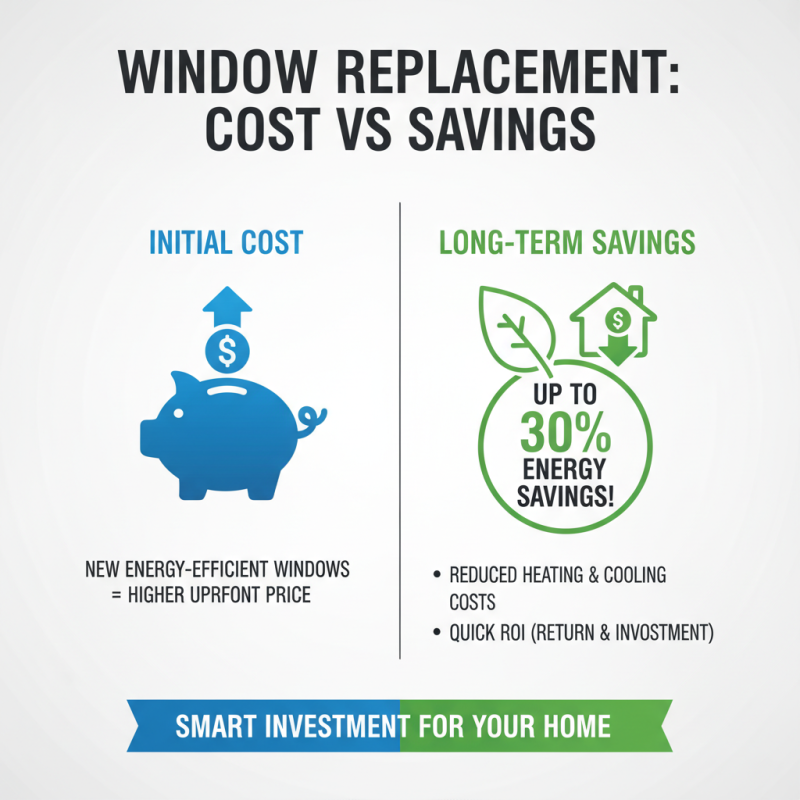
When considering window replacement, cost versus savings becomes a crucial factor. New energy-efficient windows often come with a higher initial price. However, the long-term benefits can outweigh this upfront investment. For instance, energy-efficient windows reduce heating and cooling costs. Homeowners report savings of up to 30% on energy bills.
Moreover, energy-efficient windows can enhance comfort by maintaining consistent indoor temperatures. This feature reduces drafts and minimizes cold spots. However, not all windows perform equally. It’s essential to evaluate their energy ratings and potential performance in your local climate. Some might recommend the cheapest options, but those can lead to more significant costs down the road.
Ultimately, the decision involves personal priorities. Are you willing to invest now for future savings? Remember to weigh aesthetic and functional desires against financial realities. The choice to replace windows should align with both your budget and your long-term vision for your home.