How to Style Bay Windows for Maximum Natural Light and Elegance
Bay windows have long been celebrated for their ability to create a sense of space and enhance natural light in a room. These architectural features not only add character to any home but also serve as brilliant focal points that can elevate the overall design aesthetic. By skillfully styling bay windows, homeowners can maximize the influx of sunlight, promoting a warm and inviting atmosphere while showcasing the beauty of the outdoor surroundings.
In this guide, we will explore various ways to style bay windows that accentuate both their elegance and functionality. From selecting the right window treatments to incorporating comfortable seating arrangements, each approach aims to enhance the visual appeal while ensuring that natural light floods the interior. Whether you have a traditional or modern space, the potential of bay windows to transform an environment is boundless when styled thoughtfully. Join us as we delve into creative ideas that will help you reimagine your bay windows and enjoy the delightful combination of light and grace they can bring to your home.
Understanding the Importance of Bay Windows in Home Design
Bay windows are a distinctive architectural feature that can significantly enhance the overall design of a home. Their unique structure allows for an expanded view of the outside world, creating a seamless connection between indoor spaces and the natural environment. This connection is not only aesthetically pleasing but also plays a crucial role in filling rooms with natural light. By projecting outward, bay windows capture sunlight from multiple angles throughout the day, which can make interiors feel brighter and more spacious.
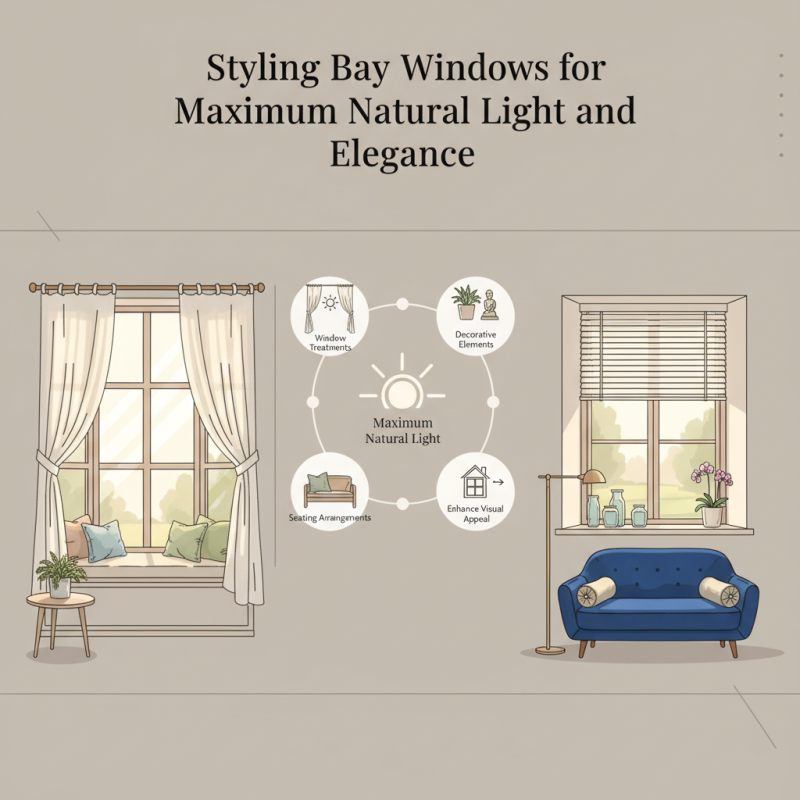
In home design, the importance of bay windows extends beyond their functional aspects. They serve as focal points within a room, providing opportunities for stylish decor and warmth. Whether styled with comfortable seating, lush plants, or decorative cushions, bay windows can become inviting areas for relaxation or reading. Additionally, their ability to frame outdoor views beautifully enhances the character of a home, inviting nature inside and enriching the living experience. As such, bay windows are not merely an aesthetic choice; they are integral to creating harmonious and elegant living spaces that prioritize light and openness.
Maximizing Natural Light in Bay Windows: Key Techniques
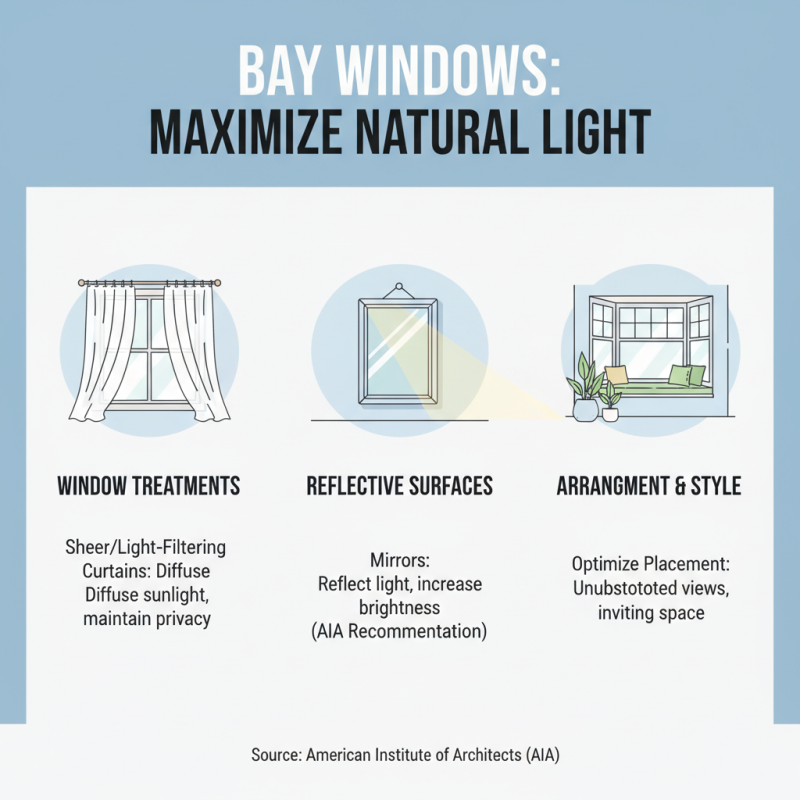
Bay windows are a versatile architectural feature that can significantly enhance the aesthetic appeal and natural light within a space. To maximize natural light, consider the arrangement and choice of window treatments. According to the American Institute of Architects, strategically placing mirrors opposite bay windows can reflect light deeper into the room, creating an illusion of a brighter, airier environment. Additionally, using sheer or light-filtering curtains allows sunlight to enter while providing privacy, optimizing both illumination and ambiance.
Tips: Incorporate layered lighting to complement the natural light that bay windows provide. Using adjustable light fixtures can help you control the mood of your space throughout the day. Furthermore, the color of your walls plays a crucial role—light and neutral tones can enhance the effect of natural light, making spaces feel larger and more open. A report from the Interior Design Association indicates that lighter wall colors can increase the perception of daylight by up to 30%, making your bay window a focal point of brightness.
Incorporating greenery near bay windows can also elevate the elegance of your space while promoting natural light diffusion. Indoor plants positioned in front of bay windows not only add beauty but can also improve air quality. According to a study by NASA, certain plants can significantly reduce indoor pollutants, thereby enhancing the overall quality of the living environment. These techniques combined create a harmonious balance of light, style, and wellness in your bay window area.
Elegant Window Treatments for Bay Windows: Options and Styles
When it comes to enhancing the aesthetic and functionality of bay windows, selecting the right window treatments is key. Elegant options not only elevate the beauty of your space but also maximize the influx of natural light. Sheer curtains are a popular choice, as they allow sunlight to filter through while maintaining a sense of privacy. Layering these with heavier drapes can create a sophisticated look while enabling you to adjust the light levels according to your preference.
Tips for selecting window treatments include considering the color palette of your room. Lighter hues can help brighten the space and make it feel more open, while darker shades may add depth and drama. Additionally, opt for treatments that complement the architectural features of your bay window. Roman shades or plantation shutters can offer a clean, tailored look, framing the window beautifully while providing easy adjustability for light control.
Another option to consider is using valances or cornices to add a decorative touch. These can be paired with curtains or left standalone for a minimalist approach. When choosing patterns, consider geometric or floral designs that coordinate with your overall décor. By combining elegant treatments and thoughtful styling, you can transform your bay window into a stunning focal point that reflects your personal taste while enhancing natural light.
Incorporating Furniture and Decor to Enhance Bay Window Spaces
Incorporating furniture and decor around bay windows can significantly enhance natural light and the overall elegance of a room. According to a report from the American Institute of Architects, homes with ample natural light can increase property values by as much as 20%. Additionally, maximizing natural light in your space can lead to improved mood and productivity; studies have shown that well-lit environments contribute to a 15% increase in workplace satisfaction. Therefore, the proper styling of bay windows becomes essential.
To elegantly enhance bay window spaces, consider furniture that complements the architectural features while maximizing sunlight exposure. A low-profile bench or a set of cushions can create a cozy reading nook, inviting homeowners to bask in the natural light that floods through. Incorporating sheer curtains allows sunlight to filter in softly while maintaining privacy. Decorative elements like indoor plants or strategically placed shelving can also draw the eye to natural light sources, improving both aesthetics and air quality — indoor plants are known to purify air contaminants, leading to an overall healthier living environment. By selecting appropriate furnishings and decor, one can effectively transform bay window areas into stylish and functional spaces that radiate warmth and sophistication.
How to Style Bay Windows for Maximum Natural Light and Elegance
| Element |
Description |
Benefits |
Styling Tips |
| Drapes |
Floor-to-ceiling drapes that can be drawn back. |
Enhance natural light and add texture. |
Choose light colors to reflect light. |
| Furniture |
Seating and tables designed to fit bay windows. |
Creates a cozy nook for relaxation. |
Opt for multi-functional furniture. |
| Lighting |
Natural light supplemented with stylish fixtures. |
Improves ambiance and usability after dark. |
Use adjustable fixtures to highlight features. |
| Plants |
Indoor plants that thrive in bright spaces. |
Enhances air quality and serenity. |
Select plants that suit the window's exposure. |
| Artwork |
Decorative items to enhance visual appeal. |
Adds personality and focal interest. |
Use frames that complement your decor style. |
Creating a Cohesive Color Palette for Bay Windows and Surroundings
Creating a cohesive color palette for bay windows and their surroundings can significantly enhance the flow of natural light and elevate the overall elegance of your space.
According to a report by the National Association of Realtors, natural light is one of the most desired features in a home, influencing buyer decisions by over 50%. This statistic underscores the importance of thoughtfully designed windows, particularly in areas where they can capture maximum light, such as bay windows.
To achieve a harmonious color palette, start by selecting shades that reflect and amplify the light entering your bay windows.
Light, neutral colors such as soft whites, pale grays, or pastel hues can create an airy feel, making the space appear larger and more inviting.
In contrast, darker tones can absorb light, making the room feel cozier but also often diminishing the brightness of the area.
The key is balance; pairing darker furnishings with lighter walls or accents can create a visually striking yet cohesive look.
Additionally, consider the surrounding decor when choosing your colors. Use complementary shades that enhance the natural view outside and unify your interior space.
A study from the Color Marketing Group indicates that well-coordinated color schemes can positively affect occupants' moods, fostering a serene environment.
Therefore, integrating colors inspired by nature, such as soft greens and blues, can infuse tranquility into your bay window setup, ensuring both elegance and warmth in your home design.