Essential Tips for Choosing Double Glazed Windows?
Choosing double glazed windows can significantly impact your home's comfort and energy efficiency. These windows offer excellent insulation, reducing heat loss in winter and keeping your home cool in summer. However, selecting the right option requires careful consideration.
Factors such as frame material, window style, and energy ratings play a crucial role in your decision-making process. Double glazed windows come in various designs, which can affect their aesthetic appeal. Models differ in thermal performance, so understanding the specifications is essential. You might find yourself overwhelmed by choices, which is normal but can lead to mistakes.
Take your time to research and compare different products. Consulting with experts can provide valuable insights. Ask for recommendations from reliable sources. Reflecting on your needs and preferences can guide you towards the perfect double glazed windows for your home.
Understanding Double Glazed Windows and Their Benefits
Double glazed windows consist of two glass panes separated by a space filled with gas, often argon. This design offers significant thermal insulation. According to the National Fenestration Rating Council (NFRC), these windows can reduce heat loss by up to 50% compared to single-glazed options. This efficiency translates to lower energy bills and improved comfort in your home.
The benefits extend beyond energy savings. Double glazing also provides enhanced sound insulation. A study from the UK Department of Energy and Climate Change highlighted reduced noise levels in homes fitted with double-glazed windows. This can be especially important for urban dwellers. Additionally, double glazed windows can increase property value. However, installation requires qualified professionals to avoid common pitfalls, like poor sealing, which can negate energy efficiency.
While many benefits exist, not all double glazed windows are created equal. The quality of the glass, spacer bars, and seals can vary widely. In some cases, low-quality materials can result in condensation between panes. This not only reduces visibility but may also lead to mold growth. Thus, ensuring high-quality installations is vital for long-term satisfaction.
Key Factors to Consider When Choosing Double Glazed Windows
When choosing double glazed windows, several key factors deserve careful attention. First, consider the insulation properties. Look for windows with a high energy rating. This ensures they keep your home warm in winter and cool in summer. High-quality seals around the frames enhance energy efficiency.
Next, assess the frame materials. Common choices include uPVC, wood, and aluminum. Each material offers unique benefits. For example, uPVC is low maintenance, while wood brings natural beauty. However, wooden frames can require regular upkeep. Reflect on your lifestyle and preferences when selecting.
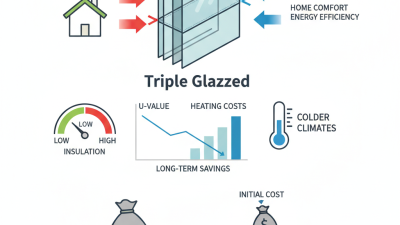
Finally, think about the glass itself. Options vary from standard to low emissivity (Low-E) glass. Low-E glass reduces heat transfer, improving insulation. However, it may come at a higher cost. Weigh the initial price against long-term savings on energy bills. It’s essential to consider these factors for a successful investment in double glazed windows.
Comparing Different Types of Double Glazed Glass
When choosing double glazed windows, it's crucial to compare different types of glass. The most common types include low-E glass, argon-filled glass, and laminated glass. Low-E glass has a special coating that reflects heat. This helps keep homes warmer in winter and cooler in summer. Many homeowners appreciate this feature, yet it can be more expensive.
Argon-filled glass units are another option. They contain argon gas between the panes. This gas has better insulation properties than air. It limits heat loss, which many find appealing. However, installation must be precise to avoid leaks over time. Users should consider the long-term benefits versus initial costs.
Laminated glass provides added safety. It consists of two layers bonded with a plastic interlayer. This design helps reduce noise and prevents shattering. However, while it offers protection, it may not have the same insulation properties as low-E glass. Homeowners must weigh the safety benefits against energy efficiency. Each type has unique advantages and drawbacks, requiring careful thought to align choices with personal needs.
Exploring Frame Materials for Double Glazed Windows
When choosing double glazed windows, the frame material plays a crucial role. Different materials offer various benefits and drawbacks, affecting durability, insulation, and aesthetics. Common options include uPVC, aluminum, and wood. Each material has unique characteristics that can influence your decision.
uPVC is popular for its low maintenance and excellent insulation properties. It can withstand harsh weather, but it may not have the same aesthetic appeal as wood. Aluminum frames are lightweight and strong, offering a modern look. However, they can conduct heat and may require thermal breaks for better insulation. Wood frames provide an attractive and classic appearance but often require regular maintenance to prevent rot and deterioration.
Consider your climate and energy efficiency needs. The choice of frame can impact the overall performance of your double glazed windows. Reflect on your budget and the long-term commitment to maintenance. The right frame material can enhance your home’s comfort and aesthetics, while the wrong choice may lead to higher energy bills or frequent repairs. Make a conscious decision to evaluate all aspects before finalizing your option.
Assessing Energy Efficiency Ratings of Double Glazed Windows
When selecting double glazed windows, assessing energy efficiency ratings is crucial. Energy efficiency ratings indicate how well windows prevent heat loss. The National Fenestration Rating Council (NFRC) provides standardized ratings for windows. A lower U-factor means better insulation. Ideally, look for windows with a U-factor below 0.30.
Another key metric is the Solar Heat Gain Coefficient (SHGC). This rating gauges how much solar heat enters your home. Lower SHGC values are preferable in hot climates, while higher values might be beneficial in colder areas. Many homes could benefit from understanding these ratings better. A study from Energy Star noted that energy-efficient windows can reduce energy bills by up to 15%.
A common mistake is focusing solely on aesthetics. Energy performance should guide choices as well. While stylish designs are appealing, they may not always be energy-efficient. Homeowners should consider the whole picture. Understanding these ratings promotes informed decisions. Delaying this assessment may lead to higher energy costs in the long run.