Top Tips for Replacing Old Windows Efficiently
Replacing old windows is a crucial home improvement project. Research shows that more than 25% of a home’s heat loss occurs through inefficient windows. According to the National Fenestration Rating Council, upgrading to energy-efficient windows can reduce energy costs by up to 15%. Expert Jack Smith, a leading figure in the window replacement industry, emphasizes, “Choosing the right windows can significantly impact comfort and savings."
However, the process involves careful planning and execution. Many homeowners underestimate the complexity of replacing old windows. They often face challenges, such as selecting the right materials and coordinating installation. The wrong choices can lead to higher costs and reduced benefits.
Moreover, it's essential to acknowledge that the installation quality is just as important as the window type. Expert insights suggest that poor installation can negate the advantages of energy-efficient windows. Therefore, thorough research and expert guidance are vital in ensuring a successful outcome in replacing old windows.
Choosing the Right Type of Windows for Replacement
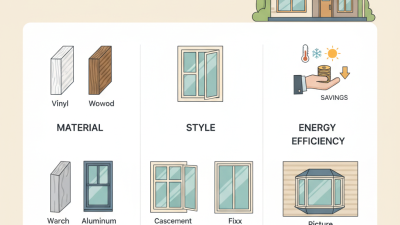
When considering window replacement, selecting the right type of windows is crucial. Each type has unique features that cater to different needs. For example, vinyl windows offer durability and low maintenance. On the other hand, wood windows have a classic appeal and can enhance the aesthetics of your home. Think about your climate when choosing. Some materials perform better in extreme weather conditions.
Tips for choosing windows include analyzing energy efficiency ratings. Look for options with energy-efficient glass to keep your home comfortable. You should also consider the window style that fits your design.
Double-hung windows are versatile, while casement windows provide better ventilation. Reflect on your home's architecture to find the perfect match.
Another key tip is to consult a professional. They can help identify which windows suit your needs best. Measuring your current windows accurately is essential to avoid any fitting issues. Remember not all stores carry the same styles.
Visit multiple outlets to explore more options. Making educated choices now can lead to satisfying results later. Embrace the decision-making process; it will pay off in the long run.
Assessing Your Current Windows for Replacement Needs
Assessing your current windows is essential before proceeding with replacement. Start by inspecting for visible signs of wear, such as cracks or rot in the frame. A simple visual check can reveal much. Look for drafts when the wind blows. If you feel air coming through, it's a clear sign. This issue often indicates that your windows are no longer securely sealed.
You should also consider the age of your windows. Windows typically last 15 to 30 years, depending on the material and maintenance. Ask yourself: Do they operate smoothly? Are they energy-efficient? Older windows often struggle with these aspects. Next, check the insulation. Poor insulation can lead to higher energy bills. You might also notice condensation build-up between the panes. This can signal that seals have failed.
Finally, take into account local climate conditions. Windows in harsher climates often require more attention. Do they protect your home adequately? Replacing windows is not just about aesthetics; it’s about functionality and comfort. Reflect on your needs and how your current windows serve them. Assessing these factors will guide you in making informed decisions for a more efficient replacement.
Preparing Your Home for Efficient Window Replacement
Preparing your home for efficient window replacement is key to a smooth process. Start by measuring your windows accurately. This helps in ordering the right size. It's essential to inspect the surrounding areas. Remove any furniture or décor that may obstruct the installation.
Consider the timing of your project. Choosing a dry season can prevent issues. Rainy days complicate the replacement. Clear communication with your contractor is vital. Discuss timelines and any potential disruptions in advance.
Lastly, don't forget about safety. Use protective gear during the process. Ensure that children and pets are kept away from work areas. Taking these steps may seem simple, but they significantly impact efficiency. Reflect on your preparation as it paves the way for a successful window replacement.
Step-by-Step Process for Installing New Windows
Replacing old windows can improve energy efficiency and enhance your home’s appearance. Start by preparing your workspace. Gather your tools: a pry bar, measuring tape, and safety glasses. Make sure you have the correct safety gear, including gloves, to protect yourself during the process.
Next, remove the old window. Carefully take out the sashes and any trim around the window. Keep an eye on the surrounding area. You might find rotting wood that needs attention. Clean the opening and ensure it’s square by measuring each side. This step is crucial. An uneven opening can lead to issues with the new installation.
When installing the new window, focus on getting a tight fit. Use shims to adjust the window’s position as needed. This part often requires patience and multiple adjustments. After the window is set, it’s important to secure it properly. Insulation foam can help with energy efficiency. Check for any gaps and seal them. It’s okay if things don’t fit perfectly at first. Troubleshooting and adjustments are part of the process.
Top Tips for Replacing Old Windows Efficiently - Step-by-Step Process for Installing New Windows
| Step |
Description |
Tools Needed |
Estimated Time |
| 1 |
Measure the existing window frame to ensure the new window will fit properly. |
Tape measure, level |
30 minutes |
| 2 |
Remove the old window and clean up the frame. |
Screwdriver, crowbar, utility knife |
1 hour |
| 3 |
Prep the window opening by installing flashing tape. |
Flashing tape, scissors |
30 minutes |
| 4 |
Position the new window in the opening and check for level. |
Level, shims |
30 minutes |
| 5 |
Secure the window in place and insulate around the frame. |
Screws, insulation foam |
1 hour |
| 6 |
Install exterior trim and seal any gaps. |
Trim, caulk, paint |
1 hour |
Finishing Touches: Weatherproofing and Aesthetics After Installation
After installing new windows, don’t overlook the importance of weatherproofing. Sealing gaps around edges is crucial. Use caulk to fill any spaces. This protects against drafts and moisture. Remember, a tight seal enhances energy efficiency.
Aesthetics also matter. Consider adding trim or casing around windows. This not only improves the look but can hide imperfections from installation. Choose colors that complement your home. Simple touches can transform a plain window into a feature.
Don’t forget to check your work. Look for any areas that may need a little extra attention. Sometimes, imperfections appear after installation; address them promptly. Weatherproofing and aesthetics can make a big difference. A well-finished window increases curb appeal and energy savings.