2025 Top Benefits of Triple Glass Windows for Energy Efficiency and Comfort
In recent years, the demand for energy-efficient building solutions has skyrocketed, driven by an increasing awareness of climate change and rising energy costs. Among the innovative technologies gaining traction, triple glass windows have emerged as a leading option for homeowners and builders aiming to enhance energy efficiency and comfort. According to the U.S. Department of Energy, windows account for approximately 25-30% of residential heating and cooling energy use, making it crucial to invest in high-performance glazing technologies.
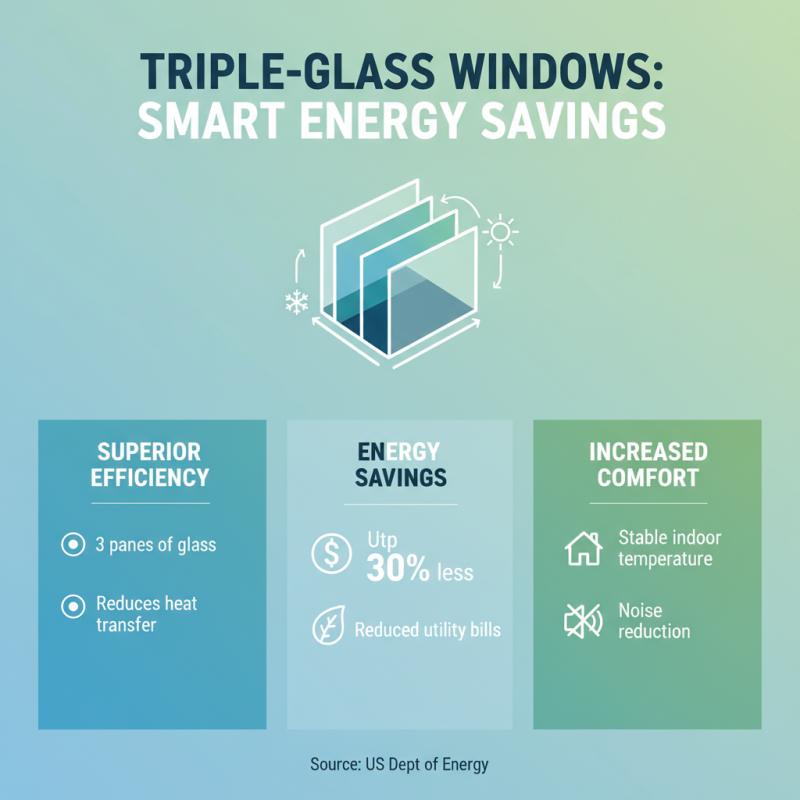
Triple glass windows, featuring three panes of glass instead of the traditional two, provide superior insulation and significantly reduce thermal transfer. Research indicates that triple-glazed windows can improve insulation performance by up to 40% compared to double-glazed alternatives, thereby lowering energy consumption for heating and cooling systems (Nordic Energy Research, 2021). Furthermore, the addition of argon or krypton gas between the panes enhances thermal performance, creating a more stable interior environment and contributing to the overall comfort of living spaces.
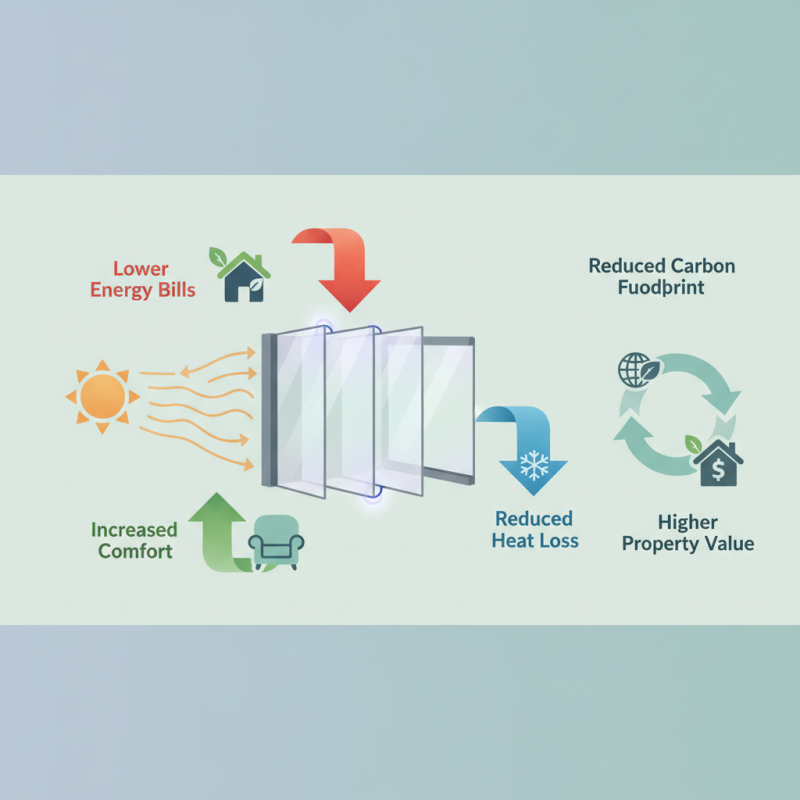
Investing in triple glass windows not only results in immediate energy savings but also has long-term benefits, including reduced environmental impact and increased property value. As the global focus on sustainability intensifies, the adoption of triple glass technology represents a pivotal step toward achieving energy-efficient homes that prioritize both comfort and environmental responsibility.
Benefits of Triple Glass Windows for Energy Efficiency
Triple glass windows have become increasingly popular due to their superior energy efficiency and comfort benefits. By incorporating three layers of glass, these windows significantly reduce heat loss in winter and minimize heat gain in summer. According to the U.S. Department of Energy, windows account for approximately 25% to 30% of residential heating and cooling energy use. By upgrading to triple glazed windows, homeowners can see a reduction in energy costs by up to 30%, making this a worthwhile investment for long-term savings and sustainability.
In addition to enhanced energy efficiency, triple glass windows provide improved sound insulation compared to their double-glazed counterparts. A study published in the *Journal of Building Physics* revealed that triple glazing can reduce outdoor noise levels by up to 50%, providing a quieter indoor environment. This is especially beneficial for homes located in bustling urban areas or near busy roads. Furthermore, the extra layer of glass can also offer increased protection against UV rays, shielding furniture and flooring from fading.
Tips: When considering an upgrade to triple glass windows, prioritize high-performance frames to maximize insulation benefits. Additionally, consult with energy efficiency programs or local building codes to identify potential incentives for upgrading, as many areas offer rebates for energy-saving home improvements. Engaging a certified professional for installation can also ensure that the windows are properly sealed, further enhancing their performance.
Impact of Triple Glazing on Indoor Comfort Levels
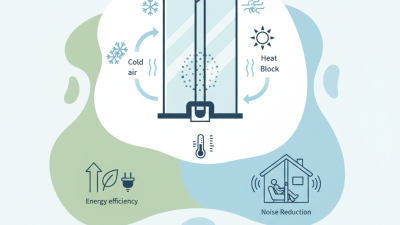
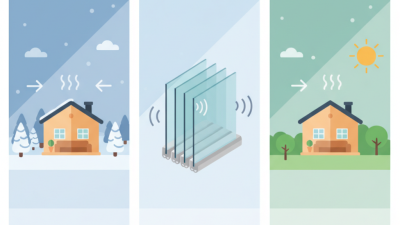
Triple glazing has emerged as a significant innovation in energy efficiency, particularly in enhancing indoor comfort levels. By incorporating three panes of glass instead of the traditional single or double glazing, these windows create multiple layers of insulation that remarkably reduce heat transfer. This means that during the colder months, indoor spaces retain more warmth, and in the summer, they remain cooler, thereby creating a stable and comfortable environment year-round. The increased thermal performance minimizes the need for heating and cooling systems, contributing to energy savings and a smaller carbon footprint.
Moreover, the benefits of triple glazing extend beyond temperature regulation. It also plays a crucial role in minimizing noise pollution, which is often an overlooked aspect of indoor comfort. The additional layer of glass, along with the air or gas-filled spaces between the panes, serves as a buffer against external sounds, providing a quieter living space. This is particularly advantageous for homes located in bustling urban environments or near busy roadways, where noise can significantly affect well-being and relaxation. Overall, triple glazing not only enhances thermal comfort but also fosters a peaceful indoor ambiance, making it an excellent choice for modern living.
Cost-Benefit Analysis of Installing Triple Glass Windows
When considering the installation of triple glass windows, it's essential to analyze the cost-benefit aspect thoroughly. Although the initial investment in triple glazing can be higher than traditional double-glazed windows, the long-term benefits often outweigh the upfront costs. Homeowners can expect significant savings on energy bills due to improved insulation, as these windows minimize heat loss during winter and keep interiors cooler in summer. Additionally, the enhanced soundproofing qualities of triple glass contribute to a more comfortable living environment, especially in noisy urban areas.
In terms of installation costs, it helps to weigh the potential long-term savings against the expenses involved. Research indicates that, over time, the energy savings from reduced heating and cooling expenses can recoup the higher installation cost within a few years, depending on local energy prices and usage patterns. Moreover, many regions offer incentives or rebates for energy-efficient upgrades, which can further ease the financial burden.
**Tip:** When planning your budget, consider obtaining multiple quotes from contractors to find the best deal for the installation of triple glass windows. Also, look into government incentives or financing options for energy-efficient home improvements to maximize your savings.
2025 Top Benefits of Triple Glass Windows for Energy Efficiency and Comfort
Environmental Advantages of Using Triple Glazed Windows
Triple glazed windows offer significant environmental advantages, primarily through enhanced energy efficiency. According to the U.S. Department of Energy, upgrading to triple glazing can reduce heat loss by up to 50% compared to single glazing. This reduction in thermal transmittance not only decreases energy consumption for heating and cooling but also lowers greenhouse gas emissions, making buildings more environmentally friendly. Additionally, as energy-efficient solutions gain traction, homes equipped with triple glazed windows can increase their market value, responding to growing consumer demand for sustainable living.
Implementing triple glazed windows also contributes to less noise pollution, making indoor environments more comfortable. The additional layer of glass acts as an effective sound barrier, which is particularly beneficial in urban areas. Research shows that homes with triple glazing can experience noise reductions of up to 32 decibels, significantly improving residents' quality of life.
Tips for choosing triple glazed windows include considering the window frame material, which should be well-insulated to complement the glass's efficiency, and selecting low-emissivity (Low-E) coatings to maximize energy conservation. In addition, proper sealing during installation is essential to maintain these windows' performance and environmental benefits effectively. By making informed decisions, homeowners not only contribute to reducing their carbon footprint but also enhance their living comfort and property value.
Maintenance and Durability Considerations for Triple Glass Systems
When considering the implementation of triple glass windows, maintenance and durability are paramount factors that can significantly impact their longevity and effectiveness. Triple glass windows, while designed to provide superior insulation and energy efficiency, require appropriate upkeep to ensure they continue to perform at their best. Regular inspections are essential, focusing on the seals and frames to identify any potential wear or damage that could compromise their thermal performance. Cleaning the glass surfaces using gentle, non-abrasive methods will enhance both functionality and aesthetics, preventing buildup that could hinder light transmission and energy savings.
Durability is another critical consideration when investing in triple glass systems. These windows are crafted with advanced materials that are engineered to withstand various environmental conditions, from extreme temperatures to high winds. Their robust construction not only enhances their lifespan but also contributes to their energy efficiency. To maximize their durability, homeowners should ensure that the installation is performed correctly, following best practices for sealing and insulation. Additionally, choosing high-quality materials, such as corrosion-resistant frames, can further enhance their resilience and reduce the frequency of replacement. By prioritizing maintenance and selecting durable options, triple glass windows can provide lasting comfort and efficiency for years to come.
2025 Top Benefits of Triple Glass Windows for Energy Efficiency and Comfort - Maintenance and Durability Considerations for Triple Glass Systems
| Benefit |
Description |
Energy Efficiency Rating |
Maintenance Frequency |
Expected Lifespan |
| Improved Insulation |
Triple glass windows offer superior thermal insulation compared to double or single panes. |
U-value: 0.2 W/m²K |
Every 5 years |
30+ years |
| Noise Reduction |
Triple glazing significantly reduces external noise, enhancing indoor comfort. |
Rw: 45 dB |
As needed |
30 years |
| Enhanced Security |
Three panes of glass make breaking in more difficult, offering better security for homes. |
N/A |
Every 3 years |
30 years |
| Energy Savings |
Reduce heating and cooling costs through improved energy efficiency. |
Up to 30% savings |
Annually |
30+ years |
| Condensation Resistance |
Triple glass windows have lower condensation rates compared to double or single panes. |
N/A |
As needed |
30 years |