Top Tips for Choosing the Best Residential Windows for Your Home
When it comes to enhancing the beauty, energy efficiency, and security of your home, the choice of residential windows plays a crucial role. According to James Thompson, a leading expert in the residential window industry, "Choosing the right windows can transform your home not just aesthetically but also in terms of energy savings and overall comfort." With the plethora of options available in the market, homeowners often find themselves overwhelmed by the decision-making process.
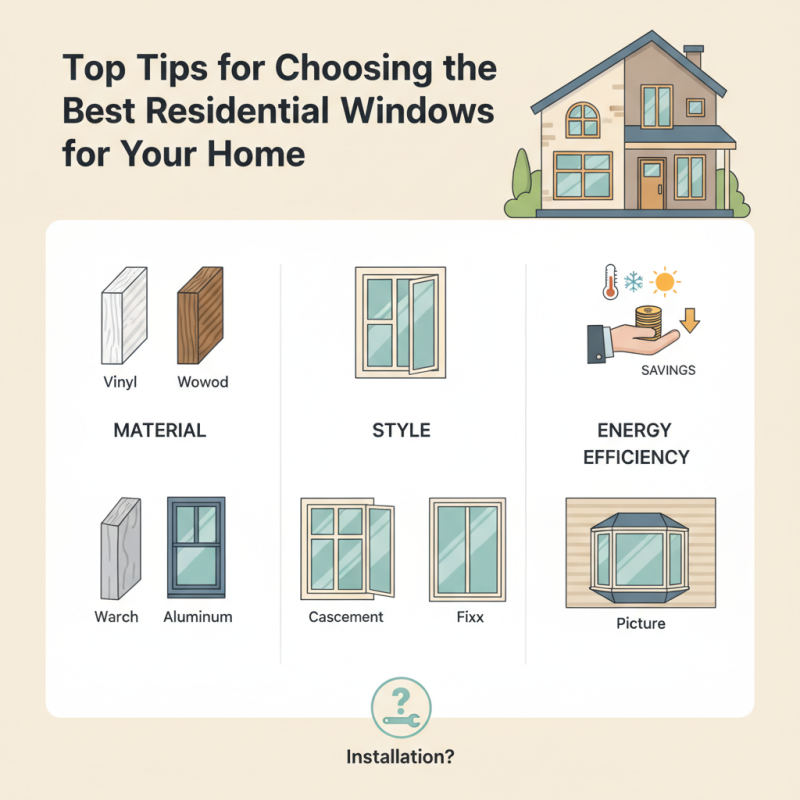
Selecting the perfect residential windows requires careful consideration of various factors, including material, style, energy efficiency, and installation. Different types of windows offer unique benefits; for instance, vinyl windows are known for their durability, while wood windows provide a classic look. Additionally, energy-efficient windows can significantly reduce heating and cooling costs, ultimately adding value to your property.
In this guide, we will explore essential tips that will help you navigate the selection process for residential windows. By understanding the key attributes to look for and the questions to ask, you can make an informed decision that enhances your home’s beauty and functionality while reflecting your personal style.
Understanding Different Types of Residential Windows Available
When it comes to selecting the best residential windows for your home, understanding the various types available is crucial. Residential windows can generally be categorized into several types: single-hung, double-hung, casement, sliding, and picture windows, each offering its own unique benefits. According to the American Architectural Manufacturers Association (AAMA), the most popular window style in the U.S. is the double-hung window, favored for its traditional aesthetic and ease of cleaning. This style features two operable sashes, allowing for versatility in ventilation.
Beyond the basic types, window materials also play a significant role in performance and durability. Vinyl and fiberglass windows are among the top choices due to their energy efficiency and low maintenance requirements, as reported by the National Fenestration Rating Council (NFRC). Data indicates that homes equipped with ENERGY STAR-rated windows can save homeowners an average of 12% on energy costs annually. With advancements in technology, options such as low-E glass and argon gas fills also contribute to improved insulation and condensation resistance, further enhancing energy savings.
Evaluating these different window types and materials can help homeowners make an informed decision that aligns with their aesthetic preferences and energy efficiency goals. A thorough understanding of the available options not only contributes to the home's curb appeal but also ensures long-term satisfaction and functionality.
Assessing Energy Efficiency Ratings and Their Importance
When selecting residential windows, assessing energy efficiency ratings is crucial for both environmental sustainability and long-term cost savings. Windows are key components of a home's energy performance, and their efficiency is often quantified through metrics such as the U-factor, Solar Heat Gain Coefficient (SHGC), and Energy Star ratings. The U-factor measures the rate of heat transfer; lower values indicate better insulating properties. According to the U.S. Department of Energy, replacing single-pane windows with energy-efficient models can save homeowners an average of $126 to $465 annually on energy bills, depending on geographical location and climate.
Additionally, the SHGC plays a significant role, particularly in warmer climates, as it measures how much solar radiation passes through a window. A lower SHGC is advantageous in hot areas, helping to reduce air conditioning costs during the summer months. Energy Star windows have been shown to outperform traditional windows by at least 10 to 15 percent in terms of energy savings, as noted in studies by the National Fenestration Rating Council (NFRC). Understanding and considering these energy efficiency ratings can lead not only to enhanced comfort within your home but also substantial financial benefits over time, particularly when factoring in energy price trends and increasing utility rates.
Energy Efficiency Ratings of Common Window Types
Evaluating Window Materials: Wood, Vinyl, and Aluminum Options
When it comes to selecting the right materials for residential windows, homeowners often find themselves choosing between wood, vinyl, and aluminum. Each material presents unique benefits and drawbacks that can influence both aesthetics and energy efficiency. According to the U.S. Department of Energy, windows account for about 25% to 30% of residential heating and cooling energy use, making the choice of material crucial for long-term cost savings and comfort.
Wooden windows are lauded for their classic look and excellent insulation properties. However, they require regular maintenance to prevent rot and decay, especially in regions with high humidity. Reports from the American Wood Council indicate that wood can achieve an R-value of about 3.5 to 4.0 per inch, making it an effective insulator. On the other hand, vinyl windows have surged in popularity, praised for their affordability and low maintenance. The Vinyl Institute states that new vinyl windows are designed to last more than 20 years and provide excellent energy efficiency, often matching or even exceeding that of wood.
Aluminum windows, while durable and resistant to the elements, typically fall short in thermal performance without thermal breaks. The American Architectural Manufacturers Association notes that aluminum frames have a lower insulating value, but they are favored for modern design aesthetics and structural strength. Each of these materials offers distinct advantages, and understanding their properties can significantly influence your home's overall energy efficiency and design appeal.
Choosing the Right Window Styles to Complement Your Home's Design
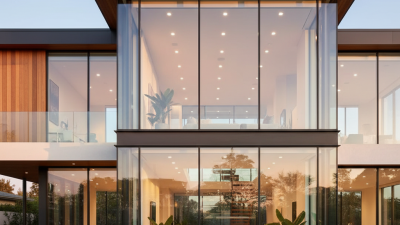
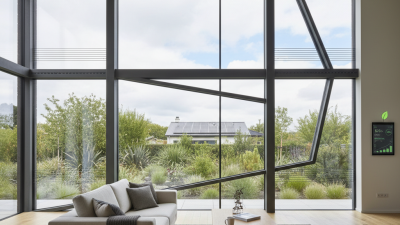
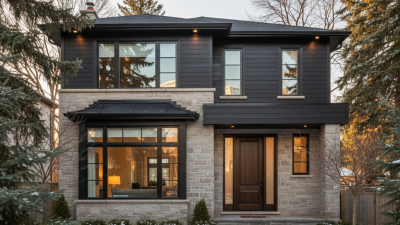
When selecting residential windows, the style is a crucial aspect that can significantly influence both aesthetic appeal and functionality. According to the American Institute of Architects, homeowners typically prioritize window styles that enhance their overall architectural design, as the right windows can create a harmonious balance between the interior and exterior of a home. For example, traditional homes often benefit from double-hung windows due to their classic appeal, while contemporary designs may call for sleek, minimalist casement windows that offer wide views and ample natural light.
Furthermore, a report from the National Association of Home Builders indicates that energy-efficient windows are increasingly favored, not only for their cost-saving benefits but also for their design versatility. Homeowners today are looking for windows that complement their style while also fulfilling energy efficiency requirements. For instance, options such as bay or bow windows provide unique character to a home, enhancing its curb appeal while allowing for increased energy savings through advanced glazing technologies. Evaluating window styles carefully can thus lead to informed decisions that align aesthetic desires with practical benefits, ensuring an investment that serves both form and function.
Top Tips for Choosing the Best Residential Windows for Your Home - Choosing the Right Window Styles to Complement Your Home's Design
| Window Style |
Material |
Energy Efficiency Rating |
Estimated Cost (per window) |
Aesthetic Compatibility |
| Casement |
Vinyl |
A |
$300 |
Modern, Contemporary |
| Double-Hung |
Wood |
B |
$450 |
Traditional, Colonial |
| Sliding |
Aluminum |
C |
$350 |
Contemporary, Industrial |
| Bay |
Fiberglass |
A+ |
$600 |
Victorian, Craftsman |
| Awning |
Vinyl |
A |
$250 |
Modern, Transitional |
Considering Installation and Maintenance Factors for Longevity
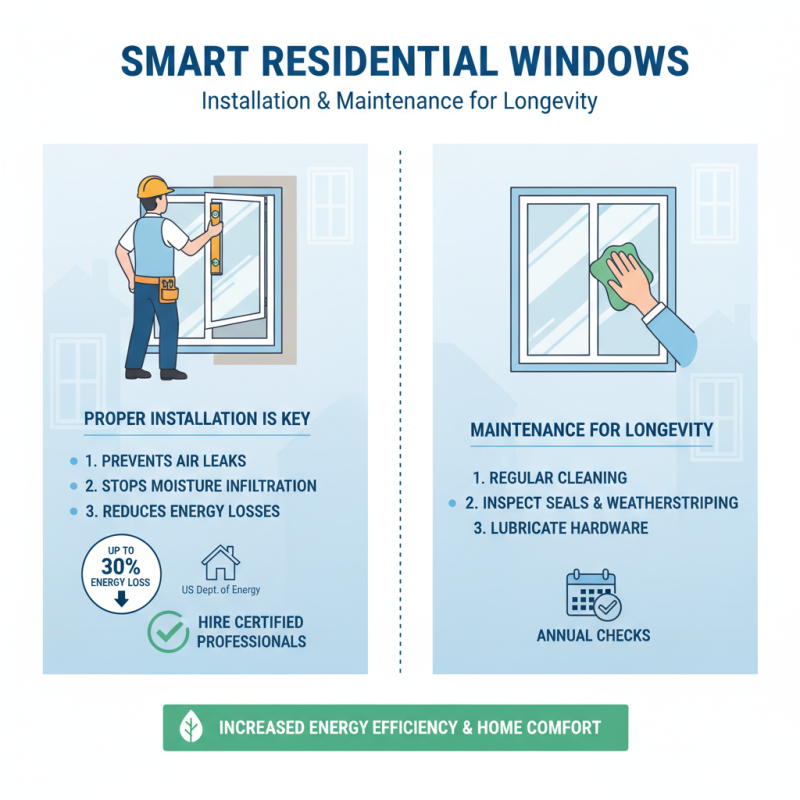
When selecting residential windows, it's crucial to consider installation and maintenance factors to ensure the longevity of your investment. Proper installation is key, as improperly fitted windows can lead to air leaks, moisture infiltration, and increased energy bills. According to the U.S. Department of Energy, poorly installed windows can cause energy losses of up to 30%. Therefore, hiring a certified professional ensures that the windows are not only fitted correctly but also aligned with energy efficiency standards.
Maintenance play a vital role in the lifespan of your windows. Regularly inspecting and cleaning the window frames and seals can prevent rot, rust, and air leaks. A report from the National Association of Home Builders indicates that maintaining your windows can extend their life by as much as 20%. Here are a few tips to maintain your windows effectively:
1. Clean your windows regularly to prevent dirt buildup, which can damage seals and frames.
2. Check for any signs of wear or damage each season, focusing on glazing and seals, to address potential issues early.
3. Utilize weather stripping and caulking to improve energy efficiency and prevent drafts.
By prioritizing proper installation and diligent maintenance, homeowners can enjoy enhanced performance and durability from their windows for years to come.