Top 10 Types of Exterior Windows for Your Home Choices?
Choosing the right exterior windows for your home is crucial. They influence both the aesthetics and energy efficiency of your property. With so many types available, selecting the perfect style can feel overwhelming.
Exterior windows come in various designs and materials. Understanding your options can simplify your decision. Each type brings unique features and benefits. You might prefer the classic look of wooden frames or the durability of vinyl.
Reflecting on your home's overall design is essential. Consider how each window type complements your architecture. Sometimes, a popular choice may not fit your needs. It’s important to weigh practicality against style. Making the right choice in exterior windows affects your home’s value and comfort in significant ways.
Types of Exterior Windows: An Overview of Options for Your Home
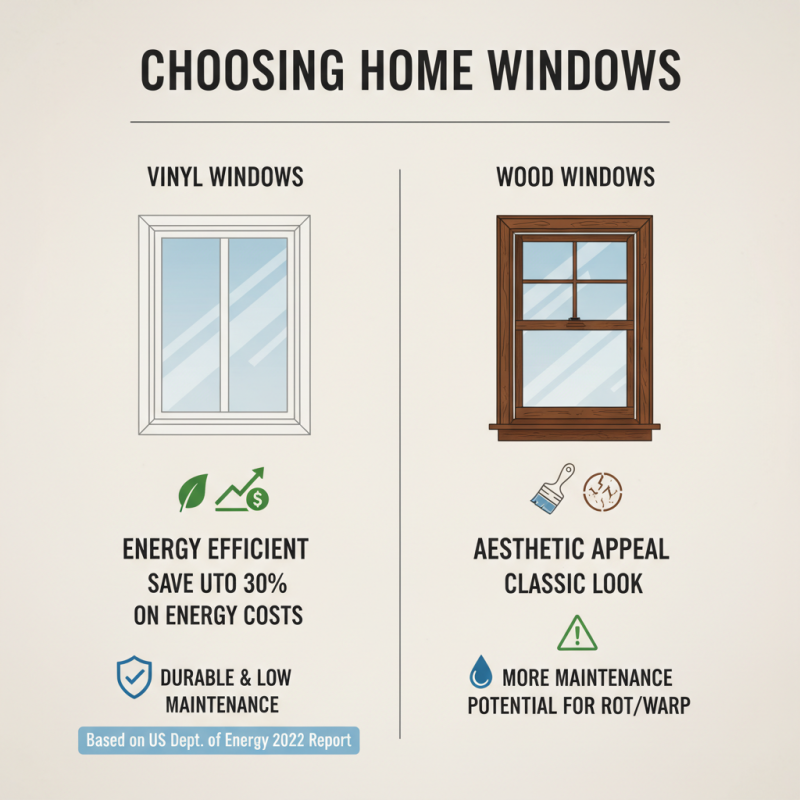
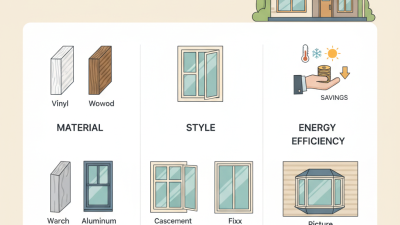
When choosing windows for your home, several types stand out. Vinyl windows are popular for their energy efficiency. According to a 2022 report from the U.S. Department of Energy, they can save homeowners up to 30% on energy costs. On the other side, wood windows offer aesthetic appeal but require more maintenance. They might rot or warp over time, especially in humid climates.
Aluminum windows are known for their durability. They resist corrosion and require less maintenance. However, they don’t insulate as well as vinyl. Double-hung windows provide versatility and ease of cleaning but may not be the best for high-security needs. Sliding windows can be space-saving but might be less energy-efficient if not chosen wisely.
Ultimately, picking the right windows is vital. Each option has strengths and weaknesses. Homeowners should weigh these carefully. The perfect choice often isn't straightforward. It requires deep thought and awareness of long-term implications.
Benefits of Different Window Materials for Exterior Use
When selecting exterior windows, the material choice significantly influences aesthetics, energy efficiency, and durability. Vinyl windows, highly favored for their affordability and low maintenance, can reduce energy bills by up to 30%. However, their color options are limited. Aluminum frames are strong and sleek, ideal for modern designs. Yet, they can conduct heat, affecting insulation.
Wood windows offer natural beauty and excellent insulation. They can last for decades with proper maintenance. However, they are susceptible to rot and require regular upkeep. Fiberglass windows combine strength and energy efficiency, boasting up to 90% more insulation than vinyl. Yet, they often come with a higher price tag, which may not fit every homeowner's budget.
Tip: Always consider the climate in your area. Harsh conditions can compromise window longevity. Additionally, the installation process is crucial. Poorly installed windows, regardless of material, could lead to drafts and water leaks, affecting their performance over time. Choosing the right window material can seem daunting, but understanding the benefits and drawbacks helps make a clearer decision.
Energy Efficiency Ratings and Their Impact on Window Selection
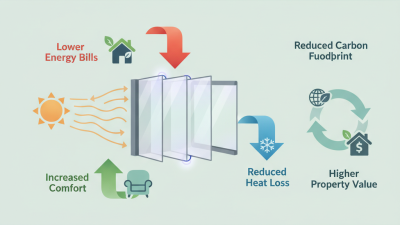
When selecting exterior windows, energy efficiency plays a crucial role. Windows account for up to 25-30% of household energy loss. Choosing the right type can dramatically affect heating and cooling costs. According to the U.S. Department of Energy, windows with higher efficiency ratings can save homeowners anywhere from $100 to $500 annually.
Many homeowners overlook the significance of the National Fenestration Rating Council (NFRC) labels. These labels provide essential information about a window's performance. Look for the U-factor, Solar Heat Gain Coefficient (SHGC), and Visible Transmittance (VT). Windows with low U-factors and favorable SHGC ratings are often more energy-efficient. However, individual needs may vary based on climate and exposure to sunlight.
Tip: Consider triple-pane windows if you live in a colder area. They can enhance insulation. Also, remember that the cost of energy-efficient windows is often higher upfront. It’s crucial to weigh long-term savings against initial investments. Lastly, check for local tax incentives or rebates for purchasing energy-efficient windows. These can further enhance the affordability of your choices.
Design Styles: Matching Exterior Windows to Your Home Aesthetic
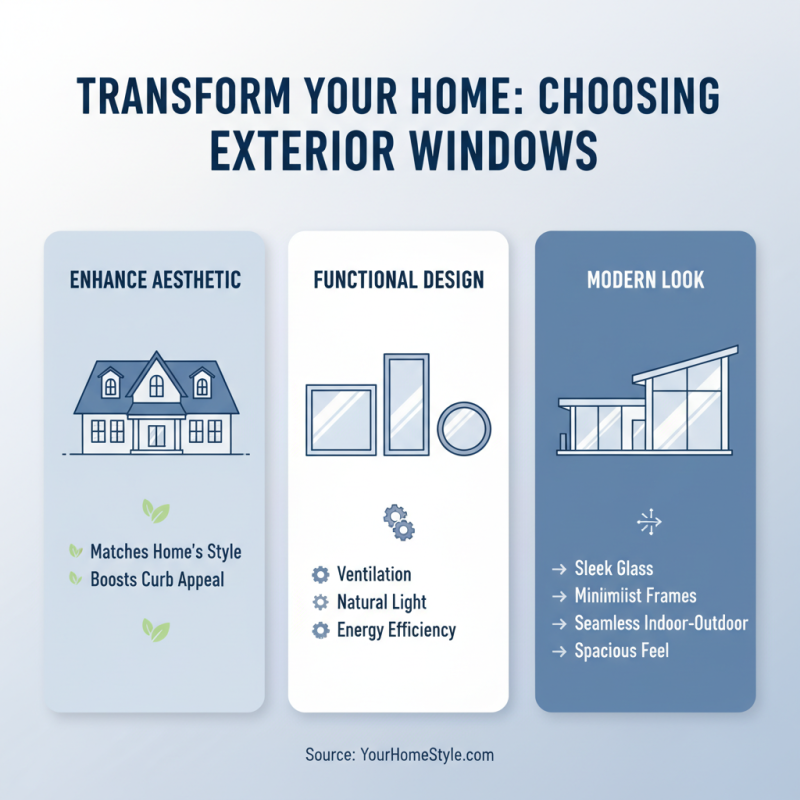
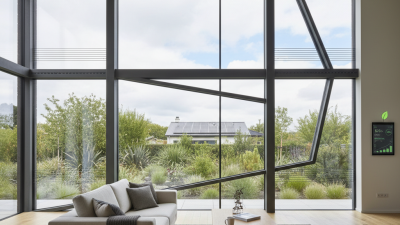
Choosing the right exterior windows can transform your home. The style you choose should enhance your home’s aesthetic. Different designs serve varied purposes. For a modern look, sleek glass and minimalistic frames work well. These windows often create a seamless connection with the outside. They can make small spaces feel larger.
On the other hand, traditional homes may benefit from double-hung windows. These windows can bring a nostalgic charm. They often have grids that add character. Still, it’s essential to ensure they fit well with your overall design. Mixing styles isn’t always successful. A careful approach is necessary here.
Consider energy efficiency too. Some window designs are more efficient than others. Casement windows, for instance, can provide excellent ventilation. However, if you live in a strong wind area, they may pose a risk. Balancing aesthetics and function is crucial. Take your time to explore options, and don’t rush the decision. Your home deserves thoughtful choices.
Installation Considerations for Various Window Types
When choosing exterior windows for your home, installation considerations are crucial. Different window types have unique requirements. For instance, a casement window may need more wall space for swinging open. If you overlook this, you may end up with limited ventilation. Picture a beautiful day wasted because your window can't fully open.
Another aspect is the framing material. Vinyl, wood, and aluminum each behave differently. Wood needs regular maintenance to prevent rot. Conversely, vinyl is easier to care for but may warp in extreme heat. It's essential to assess your local climate before choosing. Think about the long-term implications of your choice.
Lastly, consider the size of your windows. Large windows can create stunning views, but they also lead to higher energy costs. If poorly installed, they can cause leaks and drafts. A thorough assessment of your home's layout can help you avoid these pitfalls. Reflecting on these factors ensures you choose the right windows while minimizing regrets in the future.