Why Choose Triple Glass Windows for Energy Efficiency?
In today’s world, energy efficiency is more important than ever. Homeowners are seeking sustainable solutions to lower energy costs. One such solution is the use of triple glass windows. These windows consist of three layers of glass, creating an effective barrier against various weather conditions. This design can significantly reduce energy loss.
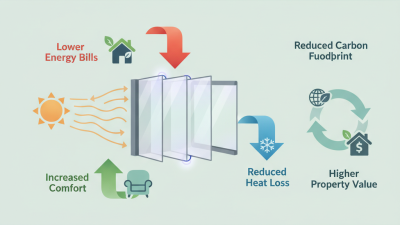
Triple glass windows offer improved insulation. They help maintain a stable indoor temperature, reducing the need for heating and cooling. This makes them an excellent choice for both eco-conscious consumers and those looking to save on energy bills. Many regions have successfully adopted these windows for their energy-saving benefits.
However, there are some considerations to keep in mind. The initial investment is higher compared to standard double-glazed windows. Additionally, installation requires professional expertise to ensure proper sealing and performance. Homeowners may also need to weigh long-term savings against upfront costs. Investing in triple glass windows can lead to a more efficient and comfortable living space when chosen wisely.
Benefits of Triple Glass Windows for Reducing Heat Loss and Gain
Triple glass windows are an excellent choice for enhancing energy efficiency in residential and commercial buildings. They consist of three panes of glass separated by gas-filled spaces, which significantly reduce thermal transfer. Studies show that energy-efficient windows can decrease heating costs by up to 15% in colder climates. This feature is crucial, especially when heating accounts for a large portion of energy bills during winter.
One of the main benefits of triple glass windows is their ability to minimize heat loss in winter and heat gain in summer. A report by the U.S. Department of Energy indicates that triple glazing can offer an insulation value up to R-10. This is nearly double the effectiveness of double-glazed windows. In addition to reducing energy bills, improved insulation helps maintain a consistent indoor temperature, enhancing overall comfort.
However, it's essential to consider the initial investment. Although the upfront cost is higher, the long-term savings are compelling. Homeowners might also experience difficulties during installation. Ensuring a perfect fit requires precision. If not installed correctly, these benefits could diminish. Questioning choices that seem straightforward can lead to better outcomes in energy-efficient upgrades.
Energy Efficiency Comparison of Window Types
The Role of Triple Glass Windows in Enhancing Energy Efficiency Ratings
Triple glass windows significantly improve energy efficiency ratings. By incorporating three layers of glass, these windows provide superior insulation compared to single or double glazing. The extra layer creates more air pockets, which reduces heat transfer. This means your home stays warmer in winter and cooler in summer, ultimately cutting down energy costs.
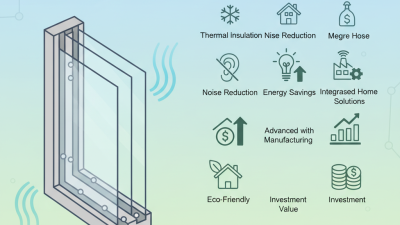
Opting for triple glass windows can also enhance your home’s acoustic performance. The added thickness dampens noise, making living spaces quieter. This is particularly beneficial in urban areas where sound pollution is prevalent. When selecting these windows, ensure they comply with local energy efficiency standards. Many regions offer incentives for energy-efficient upgrades, making your investment more appealing.
Consider additional insulating materials in window frames. Quality frame materials help maintain the efficiency of triple glass windows. Regular maintenance is essential too. Check for gaps or seals that might compromise insulation. Small leaks can greatly diminish efficiency, leading to increased energy bills. Regularly inspecting windows ensures your energy-efficient investment performs at its best.
Cost-Benefit Analysis: Long-Term Savings with Triple Glass Installations
When considering energy efficiency in windows, triple glass installations provide significant long-term savings. These windows feature three layers of glass, which create a more effective barrier against heat transfer. The improved insulation can lead to decreased heating and cooling costs. Homeowners often notice a drop in their energy bills within the first year of installation.
Investing in triple glass windows is not just about upfront costs. The long-term benefits outweigh initial expenses. Maintenance costs for heating and cooling systems can also decrease. Over time, these windows can enhance your home’s resale value. However, not every home may benefit equally from this investment. Consider your local climate and specific needs when evaluating options.
While triple glass windows offer excellent advantages, they may not suit all budgets. Some homeowners might hesitate due to higher initial prices. It’s essential to analyze your specific energy needs. This way, you can better weigh the long-term savings against the immediate financial impact.
Comparative Performance: Triple Glass Vs. Double Glass Windows in Energy Use
Triple glass windows have gained popularity for their exceptional energy efficiency. When comparing them to double glass windows, there are notable differences. Triple-glazed windows consist of three layers of glass, separated by gas-filled spaces, while double-glazed windows have only two. This extra layer in triple glass significantly reduces heat loss. In colder climates, this can lead to reduced heating costs and increased comfort.
The insulation offered by triple glass is superior. It can minimize outside noise, which is an added benefit for urban dwellers. Installing triple-glazed windows may involve a higher initial cost, but the long-term savings can be substantial. Homeowners can see a reduction in energy bills over time.
Choosing the right window type can feel overwhelming. Look for certifications that validate performance claims. Assess your local climate and energy needs. Sometimes, double-glazed windows might suffice in milder regions. Making an informed choice can align costs with energy savings efficiently. Investing in energy-efficient windows is a step towards sustainability and comfort.
Understanding the Technology: How Triple Glazing Achieves Superior Insulation
Triple glazing technology is transforming energy efficiency in residential and commercial buildings. It involves three panes of glass separated by insulating gas. This design dramatically reduces heat transfer. According to the National Fenestration Rating Council, triple-glazed windows can reduce heat loss by up to 40% compared to double glazing. This improvement translates into significant energy savings.
The insulating properties of triple glazing stem from multiple factors. The spaces between the panes contain argon or krypton gas, both of which have low thermal conductivity. This setup minimizes heat conduction and reduces the likelihood of condensation. A study by the Lawrence Berkeley National Laboratory shows that triple glazing can maintain indoor temperatures more effectively than its counterparts. It can help achieve a comfortable environment, even in extreme weather conditions.
However, the initial investment in triple-glazed windows can be daunting. They are typically more expensive than double-glazed options. Property owners must weigh the upfront costs against long-term energy savings. While the technology is robust, adequate installation is critical for optimal performance. Even a small installation error can lead to significant thermal leaks. This highlights the importance of hiring qualified professionals for installation.
Why Choose Triple Glass Windows for Energy Efficiency? - Understanding the Technology: How Triple Glazing Achieves Superior Insulation
| Feature |
Triple Glazing |
Double Glazing |
| Insulation Efficiency (U-Value) |
0.6 - 0.8 W/m²K |
1.1 - 1.4 W/m²K |
| Noise Reduction (Rw) |
45 - 50 dB |
35 - 40 dB |
| Condensation Resistance |
High |
Moderate |
| Energy Savings |
Up to 30% |
Up to 20% |
| Typical Cost Range |
$600 - $900 per window |
$300 - $500 per window |
| Lifespan |
30+ years |
20 - 25 years |