Why Choose Triple Glazed Windows for Better Energy Efficiency and Comfort
In an era where energy conservation and home comfort are paramount, homeowners are increasingly turning their attention to innovative solutions that promise both efficiency and tranquility. Among these solutions, triple glazed windows stand out as a formidable option for those looking to enhance their living spaces. These windows, which feature three layers of glass sealed with insulating gas, are designed to minimize heat transfer, making them a superior choice for maintaining a comfortable indoor climate while reducing energy bills.
The benefits of triple glazed windows extend beyond just energy efficiency; they also contribute to noise reduction, creating a serene home environment. By effectively minimizing external sounds, these windows help to create a peaceful retreat from the hustle and bustle of daily life. Furthermore, the enhanced insulation properties of triple glazed windows not only keep homes warmer in winter and cooler in summer but also play a crucial role in reducing the carbon footprint.
As energy prices continue to rise and environmental concerns become ever more pressing, investing in triple glazed windows is not merely a home improvement choice; it's a step towards sustainable living. Homeowners are encouraged to consider these windows as a viable long-term investment that offers improved comfort, lower energy costs, and an environmentally friendly solution for modern living.

Benefits of Triple Glazed Windows for Energy Efficiency
Triple glazed windows offer significant advantages when it comes to energy efficiency, making them an excellent choice for homeowners seeking to reduce their energy bills and enhance comfort. Studies show that triple glazing can reduce heat loss by up to 80% compared to single glazing. According to the Energy Saving Trust, upgrading to triple glazed windows can lead to potential savings of £175 a year for an average home, highlighting their economic benefits.
Additionally, triple glazed windows improve insulation against external noise, making indoor environments quieter and more pleasant. A report from the Passive House Institute indicates that triple glazed windows can achieve a sound reduction of up to 45 decibels, which is particularly beneficial in urban areas where noise pollution can be disruptive. By providing better thermal insulation and noise reduction, triple glazed windows create a more comfortable living space while contributing to a significant decrease in energy consumption, aligning with modern sustainability goals.
How Triple Glazing Reduces Heat Loss and Improves Insulation
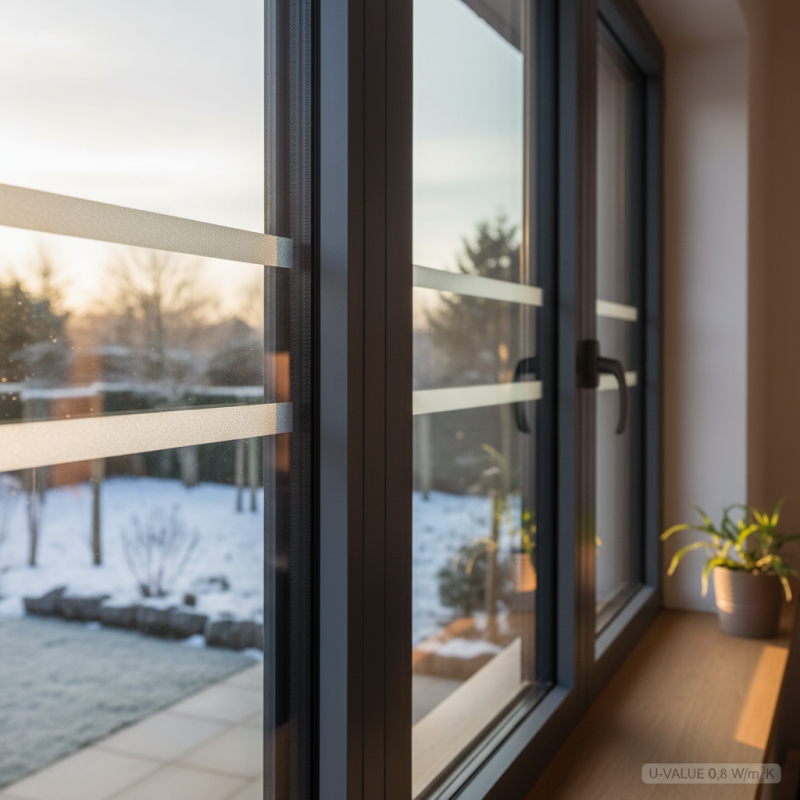
Triple glazing has emerged as a leading solution for enhancing energy efficiency in homes. By incorporating three panes of glass instead of the conventional two, triple glazed windows significantly reduce heat loss. According to recent studies, these windows can achieve a U-value as low as 0.8 W/m²K, showcasing their superior insulating properties compared to double glazing which typically averages around 1.2-1.4 W/m²K. This means that homeowners can enjoy warmer interiors while cutting down on heating costs by up to 30%, making it a financially sensible choice in the long run.
Additionally, triple glazing not only retains heat but also acts as a barrier against external noise, creating a more comfortable living environment. The combination of argon or krypton gas fillers and low-emissivity coatings enhances thermal performance, leading to a reduction in energy demand and carbon emissions. A report by the Glass and Glazing Federation highlights that upgrading to triple glazing can deliver energy savings of £200-£300 annually for the average household, yielding a sizeable return on investment.
**Tip:** When considering window upgrades, ensure to assess the frame materials as well. Opting for energy-efficient frames like uPVC or timber can further enhance insulation performance. Regular maintenance of window seals can also prevent air leaks, maximizing the benefits of your triple glazed windows.
Impact of Triple Glazing on Indoor Comfort and Noise Reduction
Triple glazed windows offer significant benefits when it comes to indoor comfort and noise reduction. With three panes of glass instead of the traditional single or double glazing, these windows create an effective barrier against outdoor temperatures. This enhanced thermal insulation helps maintain a consistent indoor climate, ensuring that homes remain warmer in winter and cooler in summer. The reduction in heat loss not only promotes comfort but also leads to lower energy bills, making triple glazing an economically wise investment.
In addition to thermal efficiency, triple glazing excels in sound insulation. The extra layer of glass, combined with specialized spacers and gas fills between the panes, effectively dampens external noise. This is particularly beneficial for homes located in busy urban areas or near high-traffic roads. Residents can enjoy a peaceful indoor environment, free from the disruptive sounds of the outside world. By choosing triple glazed windows, homeowners are investing in a quieter and more comfortable living space, thereby enhancing their overall quality of life.
Long-Term Cost Savings with Triple Glazed Windows
Triple glazed windows are becoming increasingly popular among homeowners seeking long-term cost savings and enhanced energy efficiency. According to the National Renewable Energy Laboratory (NREL), triple glazing can reduce heat loss by up to 30-50% compared to single-glazed windows. This significant reduction in heat transfer not only leads to a more comfortable living environment but also decreases the reliance on heating systems during colder months, ultimately lowering energy bills.
The initial investment in triple glazed windows may be higher; however, the savings on energy costs can outweigh the upfront expense over time. Research from the Department of Energy highlights that by upgrading to triple glazing, homeowners can save an average of 15-20% on their annual heating costs. Given the increasing energy prices, making the switch is more financially advantageous than ever. Additionally, with a lifespan exceeding 30 years, homeowners can expect substantial savings in both energy bills and maintenance costs throughout the windows’ lifetime.
Energy Efficiency Comparison: Double Glazed vs. Triple Glazed Windows
This chart compares the estimated energy efficiency ratings (U-value) of double glazed and triple glazed windows. Lower U-values indicate better insulation and energy efficiency, leading to long-term cost savings and enhanced comfort.
Environmental Advantages of Choosing Triple Glazing Systems
Triple glazing offers significant environmental advantages that make it a wise choice for energy efficiency and comfort in modern buildings. The additional pane of glass in triple glazed windows reduces heat loss more effectively than traditional double glazing. This leads to lower energy consumption for heating, which not only reduces utility bills but also decreases the overall carbon footprint of a home. With less energy required to maintain comfortable indoor temperatures, triple glazed windows contribute to a more sustainable lifestyle.
Furthermore, the superior insulation provided by triple glazing minimizes the need for fossil fuel-based heating sources, ultimately lessening greenhouse gas emissions. The use of triple glazed systems can also enhance noise reduction, creating a more serene indoor environment while keeping the outside world at bay. This reduction in external noise pollution further adds to the quality of life for residents and supports a healthier ecosystem, making triple glazing a responsible choice for those looking to build or renovate with environmental impact in mind.
Why Choose Triple Glazed Windows for Better Energy Efficiency and Comfort
| Feature |
Triple Glazing |
Double Glazing |
Single Glazing |
| Insulation Efficiency |
U-value: 0.6 W/m²K |
U-value: 1.2 W/m²K |
U-value: 3.0 W/m²K |
| Energy Savings |
Up to 30% more efficient |
Standard efficiency |
Significantly less efficient |
| Comfort Level |
Greater comfort with fewer drafts |
Moderate comfort |
More drafts and temperature fluctuations |
| Noise Reduction |
Enhanced noise insulation |
Moderate noise reduction |
Minimal noise reduction |
| Environmental Impact |
Lower carbon footprint |
Moderate carbon footprint |
Higher carbon footprint |