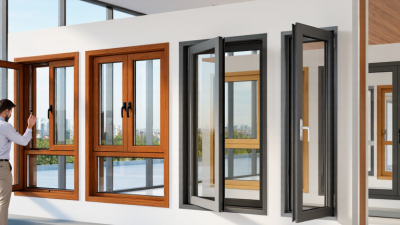
How to Choose Casement Windows in 2026?

Choosing casement windows in 2026 requires more than comparing frame colors and showroom prices. These windows can improve ventilation, daylight, and outdoor views, but only when their design suits the building. A narrow opening may need a strong crank mechanism. A windy coastal home may need different hardware and seals than a quiet suburban house.

Building-science expert John Straube has stated, “Good buildings are durable, healthy, comfortable, and energy efficient.” That principle remains useful when evaluating casement windows. Look beyond the glass. Check the frame material, opening direction, weather seals, drainage paths, hardware quality, and installation method. A high-performance window can still leak if the surrounding wall is poorly prepared.

Small details matter.

In my experience, homeowners often focus on U-values first. That is understandable, but incomplete. Solar heat gain, visible light, acoustic performance, maintenance, and emergency operation also deserve attention. Triple glazing may sound ideal, yet it can add weight and cost without solving every problem. Some rooms need easy cleaning more than maximum insulation. Others need broad ventilation during humid summer evenings.

This guide examines practical choices for 2026, including energy ratings, smart window hardware, durable materials, and installation risks. It also questions popular assumptions. The “best” casement windows are not identical for every climate, budget, or home. Measure carefully, ask for documented performance data, and consult a qualified installer before making a final decision.
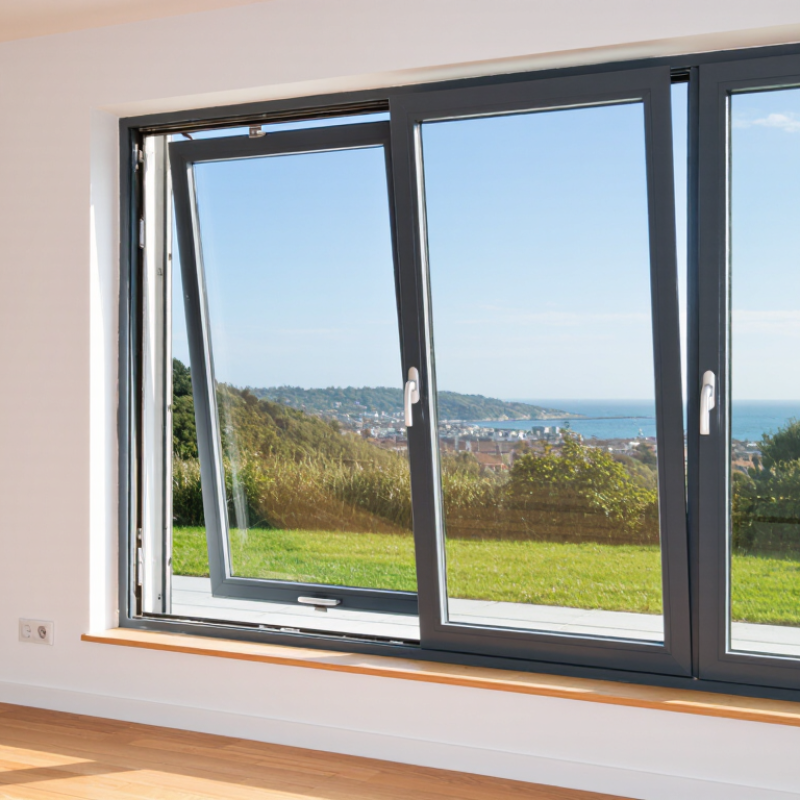
How to Choose Casement Windows in 2026?

Casement Windows: Definition, Structure, and Operating Styles

How to Choose Casement Windows in 2026?

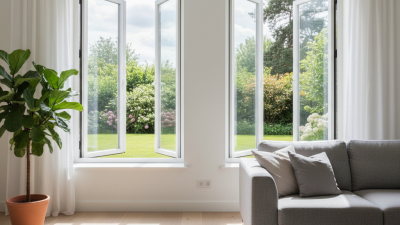
A casement window is a hinged sash that opens outward, usually through a hand-operated crank. Unlike sliding windows, its sash moves away from the frame and catches cross-breezes efficiently. The main structure includes the frame, sash, insulated glass unit, hinges, operator, locking points, and weather seals. Each part affects comfort, security, and service life.

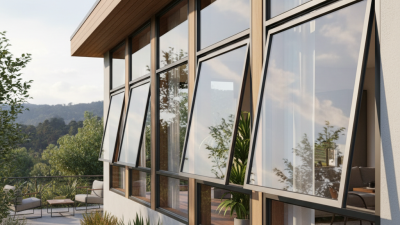
Common operating styles include left- or right-handed casements, French casements, and top-hinged awning windows.

A crank handle suits narrow spaces and allows controlled opening. A multi-point lock can pull the sash tightly against the seals. Awning styles keep rain outside during light showers, but their opening angle may limit airflow. Small details matter.

The U.S. Department of Energy reports that windows can account for about 25–30% of residential heating and cooling energy use.

Therefore, compare U-factor and solar heat gain coefficient, not glass appearance alone. Lower U-factor generally improves insulation, while SHGC should match the local climate and window orientation. NFRC rating data offers a consistent basis for comparison. Check air leakage ratings, too.

Installation still decides much of the result. A well-rated window can underperform when the opening is uneven or the flashing is incomplete. I have seen attractive units develop drafts around the frame, not the glass. That is easy to overlook. Also question oversized sashes; they may feel impressive, but hardware can wear faster. Evaluate ventilation, cleaning access, emergency egress, and replacement-part availability before choosing.

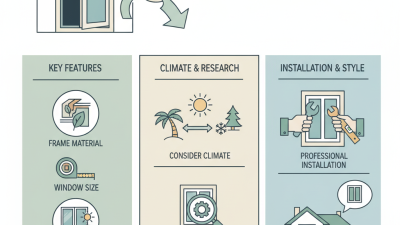
Key Factors for Choosing Casement Windows in 2026

How to Choose Casement Windows in 2026

Choosing casement windows in 2026 requires more than comparing frame colors or opening sizes. The U.S. Department of Energy reports that windows can represent 25%–30% of residential heating and cooling energy use. Therefore, check the window’s U-factor, solar heat gain coefficient, and air-leakage rating. Lower U-factor improves insulation, while SHGC should match your climate and façade direction. A south-facing room may need different glass than a shaded bedroom.

NFRC labels provide independently verified performance data, not just sales claims. Look for low-emissivity glazing, warm-edge spacers, and insulated frames. Casement sashes usually seal tightly because the locking mechanism pulls them against the gasket. Still, installation matters greatly. Even an efficient unit can underperform if the opening is poorly measured or the flashing is incomplete. Small gaps become noticeable on a windy winter evening.

The U.S. Environmental Protection Agency recommends ENERGY STAR-certified windows suited to local climate zones. Certification helps, but it is not a complete decision. Check water resistance, structural performance, hardware strength, and maintenance access. FGIA performance standards also help assess wind and operating durability. I would avoid choosing solely by the lowest U-factor. Too much solar control can make a naturally bright room feel cold and dim. That trade-off deserves a room-by-room review.

Comparing Materials, Glass Types, and Energy Efficiency

How to Choose Casement Windows in 2026?

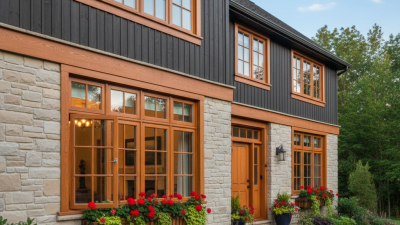
Casement windows open outward and usually create a tighter seal than sliding windows. Their performance depends heavily on material, glass, and installation quality. Vinyl frames are affordable and resist moisture, but their appearance can change with heat. Fiberglass offers stronger thermal stability and a slimmer profile. Aluminum is durable and modern, yet it conducts heat unless it has a reliable thermal break. Wood feels warm and attractive, but it needs regular sealing and inspection.

Glass selection deserves careful attention. Double glazing suits many moderate climates, while triple glazing can reduce heat loss in colder regions. Low-emissivity coatings help control indoor temperature without making rooms feel dark. Argon-filled cavities may improve insulation. Ask for the window’s U-factor, solar heat gain coefficient, visible transmittance, and air-leakage rating. Lower U-factor usually means better insulation. However, the best numbers can disappoint if the frame is poorly installed.

Check the sample in daylight. Notice reflections, edge seals, handle movement, and drafts near the corners. Measure twice. A qualified installer should follow local building requirements and explain flashing details. I would also inspect weatherstripping after one season, because small gaps can appear as materials settle. Energy ratings are useful, not magical. Climate, window orientation, shading, and ventilation still affect comfort. This is where I remain cautious: choosing the most expensive glass does not always produce the lowest energy bill.

Selecting the Right Size, Design, and Hardware

Choosing casement windows in 2026 starts with accurate measurements, not attractive online images. Measure the opening width, height, and depth at several points. Older walls can shift slightly, so never trust one measurement alone. I recommend leaving installation decisions to a qualified professional when frames are uneven or moisture is present.

Size affects comfort, ventilation, and daily operation. A wider sash can provide stronger airflow, but it may need more support hardware. Consider where furniture, curtains, and walkways will sit. For bedrooms, taller windows can improve natural light without sacrificing privacy. A narrow opening may suit a bathroom better. The best design is practical, not merely impressive.

Tips: Choose low-maintenance materials, corrosion-resistant hinges, and multipoint locks suited to your local climate. Test the handle before ordering. It should move smoothly without force. Select glazing based on sunlight, noise, and heating needs. Energy performance matters, but overly dark glass can make a room feel cold. Check the window’s certified ratings and installation requirements. I once focused too heavily on appearance and overlooked cleaning access. That mistake was avoidable. Review local building rules, emergency-exit requirements, and manufacturer instructions before finalizing the size or hardware.

How to Choose Casement Windows in 2026? - Selecting the Right Size, Design, and Hardware

Selection Dimension Practical Data Recommended Choice Important Check
Window Width Common planning widths are approximately 12–36 inches (305–914 mm). Larger openings may require a fixed panel, structural support, or a multi-unit configuration. Choose the narrowest width that provides the required daylight, ventilation, and emergency-egress clearance. Measure the rough opening, not only the existing sash. Confirm manufacturer limits for the selected frame material and hardware.
Window Height Common planning heights are approximately 24–72 inches (610–1,829 mm), although made-to-order sizes vary by construction system. Use taller proportions where daylight and outside views are priorities, provided the wall structure and sill height allow it. Check head height, sill height, interior trim space, exterior flashing, and local requirements for fall protection.
Ventilation Area A casement sash can open outward and generally directs airflow more effectively than a sliding sash of similar overall size. Select a single opening sash for focused airflow or paired sashes for wider cross-ventilation. Allow for the exterior swing path, nearby walls, landscaping, walkways, shutters, and window-cleaning access.
Emergency Egress Egress rules commonly evaluate clear opening width, clear opening height, and net clear area. A widely used benchmark is at least 5.7 sq. ft. (0.53 m²), with 5.0 sq. ft. (0.46 m²) often applying at grade level, subject to local code. Use a sufficiently wide and tall operable sash in bedrooms and other regulated spaces. Verify the current local building code because minimum dimensions and sill-height limits vary by jurisdiction.
Frame Material Vinyl generally offers low maintenance; fiberglass provides dimensional stability; wood offers a natural interior finish; aluminum provides slim profiles but may need thermal improvements. Match the material to the climate, moisture exposure, appearance, maintenance plan, and structural span. Compare frame thermal performance, drainage design, expansion characteristics, finish durability, and warranty terms.
Glazing Design Double glazing uses two panes; triple glazing uses three panes and generally improves insulation and sound reduction but adds weight and cost. Choose low-emissivity insulated glazing with a suitable gas fill when heating or cooling efficiency is a priority. Review whole-window U-factor and solar heat gain coefficient rather than glass-only values. Balance solar gain with climate and orientation.
Glass Safety Tempered glass breaks into small granular pieces; laminated glass holds together after breakage and can improve security and acoustic control. Use safety glazing where required near doors, low sills, wet areas, stairs, or other impact-prone locations. Confirm the required safety-glazing locations with the applicable building code and project plans.
Operating Hardware Common systems include multi-point locks, folding or nesting crank handles, friction stays, and adjustable hinges. Select corrosion-resistant hardware with a smooth crank action and a positive locking indication. Check handle reach, insect-screen compatibility, replacement-part availability, and suitability for coastal or high-humidity environments.
Weather Performance Look for tested air leakage, water resistance, and structural performance ratings. Lower air-leakage values generally indicate a tighter unit. Choose a product tested for the exposure level of the site, especially on windward elevations and in severe-weather regions. Review certified test reports, installation instructions, sill pan details, flashing, and sealant compatibility.
Design and Operation Left-hand, right-hand, single-sash, double-sash, fixed-plus-operable, and awning combinations support different layouts and airflow patterns. Choose the handing and configuration that keep handles accessible and preserve furniture, curtains, and circulation space. View the window from inside and outside before ordering to confirm hinge direction, opening clearance, and coordinated sightlines.
Installation Tolerance The rough opening should be sized according to the installation guide, allowing space for leveling, shimming, insulation, and movement. Order only after the opening is measured at multiple points for width, height, squareness, and plumb. Do not rely on nominal size alone. Confirm the exact unit size, opening direction, flashing method, and sill condition before fabrication.

Evaluating Installation, Maintenance, Security, and Cost

How to Choose Casement Windows in 2026?

Installation affects performance more than many buyers expect. A well-rated window can still leak if the opening is poorly measured. The U.S. Department of Energy reports that windows may account for 25–30% of household heating and cooling energy use. Ask the installer to verify rough-opening dimensions, sill drainage, insulation, and exterior flashing. Request written details about air leakage and water testing. Small gaps matter.

Maintenance should be simple, but not ignored. Inspect seals, hinges, and locking points each spring. Clean the crank mechanism carefully, and avoid forcing stiff hardware. Casement windows usually provide strong ventilation because the sash opens outward like a small sail. However, exposed hinges need regular inspection in coastal or dusty areas. I would not assume “maintenance-free” means maintenance-proof.

Security depends on hardware, glass, and installation quality. Choose multipoint locks, laminated or impact-resistant glass where appropriate, and restrictors for upper floors. The National Fenestration Rating Council advises comparing certified U-factor and solar heat gain coefficient values, not relying on marketing claims. Cost requires similar discipline. The 2024 Cost vs. Value Report shows replacement-window returns vary by material and region, so calculate energy savings, labor, repairs, and disposal together. A cheaper quote may exclude trim work or water protection. That mistake gets expensive.