2026 Top Wood Replacement Windows Types for Global Buyers
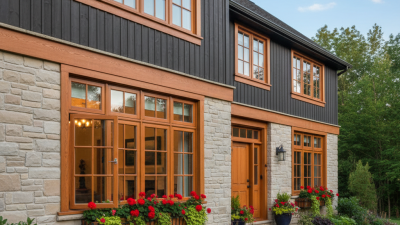
Choosing the right wood replacement windows in 2026 requires more than comparing appearance and price. Global buyers must consider climate, building traditions, installation skills, and long-term maintenance. A window that performs well in a dry mountain region may struggle in a humid coastal city. Local conditions matter.
This guide introduces the main window types available to international buyers, including solid wood, wood-clad, engineered wood, fiberglass, vinyl, and composite alternatives. Each option offers a different balance of insulation, durability, visual character, and cost. Solid wood can bring warmth and repairability, while wood-clad designs add exterior protection. Engineered materials may provide greater dimensional stability where temperature changes are severe. Details matter.
We will examine frame construction, glass packages, weather seals, hardware, drainage, finishes, and installation requirements. Practical evaluation should include more than a showroom sample. Buyers should inspect corner joints, check operating resistance, and ask how replacement parts are supplied. A beautiful frame is not enough. Fit remains critical.
Reliable purchasing also depends on verified performance data, clear warranties, and qualified local installers. Certification names and testing requirements differ between markets, so buyers should confirm documents with manufacturers and regional professionals. No single window type wins everywhere. Even experienced teams can overlook condensation risks or incompatible wall openings. This comparison aims to support careful decisions, not promise a universal answer. By weighing real climate exposure, maintenance habits, and project budgets, readers can identify wood replacement windows that offer credible value for their specific market.
Wood-Clad Windows: Compare 2026 Thermal Targets—U-Factor ≤0.30
For global buyers, U-factor ≤0.30 is a useful screening line, not a complete performance promise. It equals roughly 1.70 W/m²·K. ENERGY STAR Residential Windows, Doors, and Skylights Version 7.0 sets different U-factor limits by climate zone. Northern zones target 0.27, while North-Central zones allow 0.30. Climate matters.
NFRC testing reports whole-window performance, including frames, glazing, spacers, and edge effects. Center-glass figures can look better. Check the certificate. In wood-clad units, interior timber can feel warm, while exterior cladding resists rain and ultraviolet exposure. Still, frame design, glass configuration, installation gaps, and drainage determine real results. A triple-glazed unit may reach U≤0.30, but its weight can increase hardware and fitting demands.
The U.S. Department of Energy recommends comparing U-factor with solar heat-gain coefficient, air leakage, and visible transmittance. Hot regions may need stronger solar control. Cold regions may benefit from useful winter sunlight. I would request NFRC-certified data and project-specific simulations before ordering. Perfect numbers sometimes hide imperfect installation. That deserves scrutiny.
Solid-Wood Windows: Select Heritage Profiles, Finishes, and Glazing
For 2026, solid-wood windows are returning to serious architectural conversations. Their appeal is not only visual. Properly selected timber offers warmth, repairability, and a tactile connection to older buildings. Heritage profiles should match the property’s scale. Slim meeting rails suit Georgian-inspired façades, while deeper muntins feel appropriate in rural homes. I prefer profiles that preserve glass area without looking historically exaggerated.
Finish selection needs practical judgment. Clear oil highlights oak, ash, or larch grain, but it demands regular maintenance. Opaque coatings provide stronger color control and can hide small timber variations. A pale green or muted cream finish may support a traditional exterior without appearing artificial. Touch the sample in daylight. Indoor lighting often deceives buyers.
Glazing must respond to climate, orientation, and noise. Double glazing remains suitable for many renovations, while high-performance triple glazing can help in colder regions. Low-emissivity coatings, warm-edge spacers, and carefully sealed joints improve comfort. Ask for documented thermal and acoustic data, not general promises. I once favored an exceptionally thin profile, then discovered that its glazing limited winter performance. It looked right. It was not quite right. Solid wood also moves with humidity, so installation tolerances and drainage details deserve close inspection. A beautiful window can still fail when workmanship is rushed.
Aluminum-Clad Wood: Match Coastal Durability to AAMA Performance Ratings
For 2026 global buyers, aluminum-clad wood windows offer a practical coastal compromise. Warm timber remains visible indoors, while formed aluminum shields the exterior from salt spray, rain, and ultraviolet exposure. The cladding is not automatically corrosion-proof. Seams, corners, fasteners, and drainage paths still require careful inspection.
Specify performance, not appearance.
The AAMA/WDMA/CSA 101/I.S.2/A440 standard classifies windows by product type, performance grade, and design pressure. Coastal projects often need higher design-pressure ratings, but the correct value depends on wind speed, building height, exposure, and local codes. AAMA 2605 coating requirements can also indicate stronger resistance to weathering and color change. Ask for independent certification and complete test reports. Marketing language is not enough.
Water management matters most.
Look for sloped sills, sealed end dams, pressure-equalized cladding joints, and installation flashing suited to wind-driven rain. FGIA testing evaluates air leakage, water penetration, and structural performance under defined pressures. Those results are more useful than a vague “coastal grade” label. The U.S. Department of Energy reports that windows can influence roughly 25%–30% of residential heating and cooling energy use. Wood interiors may improve comfort, but poor installation can erase that benefit. I have seen beautiful units fail at the perimeter. The frame was sound; the transition was not. Verify glass U-factor, solar heat-gain coefficient, corrosion details, and installer experience before ordering.
Wood-Composite Windows: Weigh Moisture Stability, U-Factor, and Warranty
Wood-composite windows deserve careful comparison in 2026. Their engineered cores can resist swelling better than untreated timber, but moisture stability depends on design. A wet sill still signals trouble.
During site inspections, I check drainage paths, end-grain sealing, and frame joints. These details often matter more than attractive surface finishes. The U.S. Department of Energy reports that windows can account for 25–30% of residential heating and cooling energy use. Source: DOE, Energy Saver, 2024.
U-factor measures heat transfer. Lower values generally indicate better insulation. The 2023 ENERGY STAR Residential Windows, Doors, and Skylights Specification lists maximum U-factors from 0.27 in northern zones to 0.40 in southern zones. Climate selection matters. A highly insulated window may still perform poorly if installation leaves gaps around the frame. NFRC ratings provide a useful comparison, but they do not replace field inspection.
Warranty language needs equal attention. Look for coverage against frame distortion, finish failure, water penetration, and insulating-glass seal failure. Exclusions may apply to condensation, coastal exposure, or incorrect drainage. Read those sections closely. The Fenestration and Glazing Industry Alliance recommends evaluating water penetration through standardized testing, including ASTM E547. However, laboratory performance cannot fully predict neglected maintenance or unusual weather. I would question any warranty promising durability without stating maintenance duties, installation standards, and claim procedures.
How to Read the Comparison
The chart compares representative non-branded market benchmarks for common replacement-window frame types. Lower U-factor indicates better thermal insulation, while higher moisture-stability ratings and longer warranty periods generally indicate greater durability potential. Actual performance depends on glazing, installation, climate, local building codes, and the manufacturer’s written warranty.
Global Specification Check: NFRC 100/200, EN 14351-1, and Air Leakage ≤0.3
2026 Top Wood Replacement Windows Types for Global Buyers
For global buyers, wood window selection should begin with measured performance, not appearance.
The International Energy Agency reports that buildings consume about 30% of global final energy. Poorly sealed windows can increase heating and cooling loads.
Clad wood windows suit wet climates, while engineered wood improves dimensional stability. Solid wood remains attractive, but it needs disciplined moisture protection.
Performance Standards and Testing
NFRC 100 evaluates whole-window U-factor, while NFRC 200 measures solar heat gain coefficient. These values help compare products across different climates.
However, NFRC ratings are not interchangeable with EN 14351-1 results. The European standard covers air permeability, watertightness, wind resistance, and other performance characteristics.
≤0.3 cfm/ft² at 75 Pa
An air leakage target of ≤0.3 cfm/ft² at 75 Pa is a strong procurement benchmark.
Request the test pressure, specimen size, and laboratory report. Numbers without test conditions can mislead.
Procurement and Installation Tips
Match the frame, glass, spacer, and installation method.
For cold regions, prioritize lower U-factor and warm-edge spacers.
In hot regions, control solar gain before choosing darker finishes.
Ask for EN 14351-1 classification or NFRC documentation, depending on the market.
Confirm whether ≤0.3 refers to cfm/ft², L/s·m², or another unit.
This detail is easy to miss. It should not be.
Field installation may perform worse than laboratory testing, so include perimeter sealing checks and independent site inspection.
A perfect specification sheet still needs careful workmanship.