What Are the Top Awning Windows for Global Buyers?

Global buyers are asking a sharper question: which awning windows perform reliably across climates, buildings, and supply chains? The answer is not simply the lowest quoted price. It depends on airtightness, water resistance, glazing, hardware durability, installation quality, and verified certification.

The International Energy Agency reports that buildings consume about 30% of global final energy. Its Buildings 2023 analysis also highlights the importance of efficient envelopes and better window performance. The global windows and doors market was valued at approximately US$207.23 billion in 2022, according to Grand View Research. However, that figure covers many window types, not awning windows alone. This distinction matters. Market headlines can sound precise while hiding useful limitations.

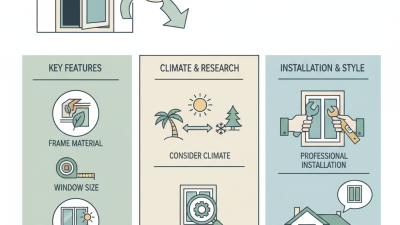
Building-science expert Dr. Joseph Lstiburek often states, “Windows are holes in walls.” His short warning applies directly to awning windows. Their outward-opening sashes can support ventilation, but exposed hinges and seals need careful protection. In coastal regions, salt air can attack hardware. In rainy climates, poor flashing can create concealed moisture damage. In colder areas, weak frames may reduce comfort near the glass. Buyers should compare NFRC or equivalent thermal data, air-leakage ratings, water-resistance testing, warranty terms, spare-part access, and installer training. Real projects reveal more than brochures. A beautifully rated product can still fail through careless installation. This is where many purchasing guides become too confident. The best choice remains conditional, not universal.
What Are the Top Awning Windows for Global Buyers?

What Are Awning Windows and How Do They Work?

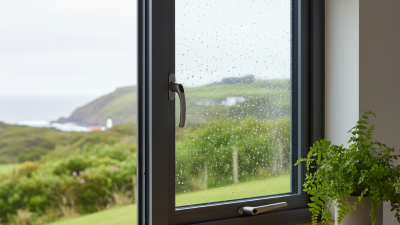
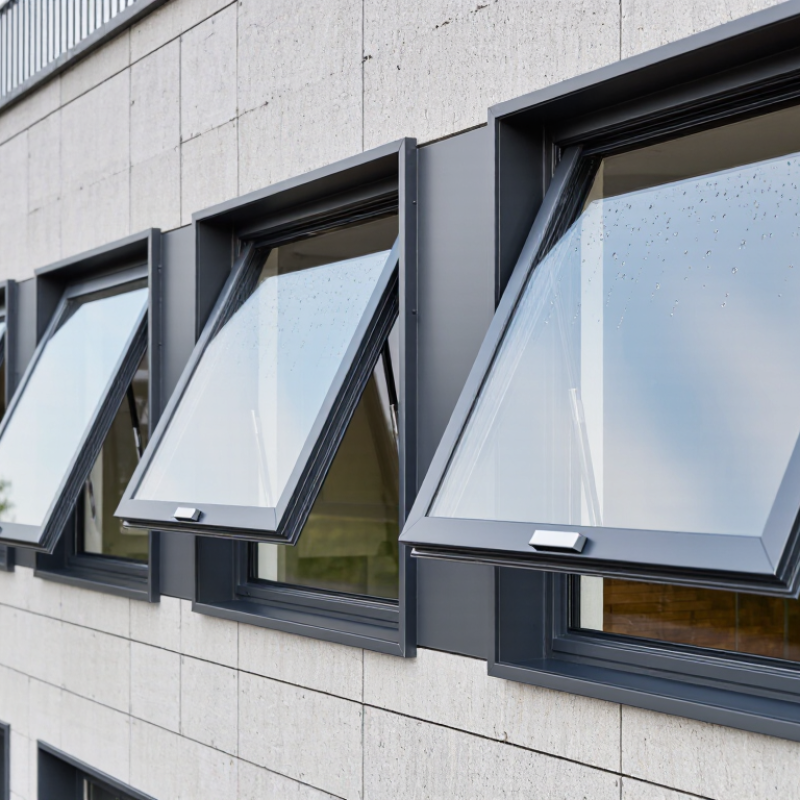
Awning windows are hinged at the top and open outward from the bottom. A handle or crank controls the sash with steady, measured movement. When opened, the glass forms a small canopy over the opening. This design allows ventilation during light rain, while the upper hinge helps guide water away from the interior. The seal closes against the frame, reducing drafts when the window is shut.

Simple, but effective.

For global buyers, performance depends on more than the opening mechanism. Low-emissivity glazing can reduce heat transfer in hot or cold climates. Laminated glass may improve noise control and safety, while corrosion-resistant hardware suits coastal areas. Installers should also check drainage paths, frame alignment, wind ratings, and local building requirements. A poorly fitted awning window can leak, even when its design is sound.

The trade-off deserves attention. Awning windows provide useful airflow, but their outward projection may conflict with walkways, shutters, or neighboring structures. They may also be unsuitable where emergency escape openings are required. In humid regions, neglected seals and tracks can collect dirt and moisture. Buyers should request tested performance data, installation instructions, and replacement-part availability. A lower purchase price can become expensive after repeated repairs. The ideal choice is not universal; climate, wall construction, ventilation habits, and maintenance support should shape the decision.

What Are the Top Awning Windows for Global Buyers?

What Are Awning Windows and How Do They Work?

Awning windows are hinged at the top and open outward from the bottom. Their outward-opening design supports ventilation while helping reduce direct rain entry, making them practical for bathrooms, kitchens, bedrooms, and other areas that need controlled airflow. The chart shows common residential planning ranges for awning-window widths; actual sizes depend on structural openings, local building codes, glazing requirements, and the selected hardware system.

Which Awning Window Materials Suit Different Global Climates?

Choosing awning window materials starts with climate, not appearance. The IEA reports that buildings consume about 30% of global final energy. Window frames influence heating and cooling loads. In hot regions, specify a low U-factor and suitable solar heat gain control. In cold regions, prioritize insulation and airtight seals. Awning sashes can ventilate during light rain, but wind-driven rain requires testing.

Fiberglass suits areas with wide temperature swings because it expands less than aluminum. It remains rigid around larger openings. uPVC performs well in humid and cold markets, especially with multi-chamber profiles. However, intense sunlight can expose weak formulations. Request tested color-retention and impact ratings. Aluminum offers slim sightlines and strong coastal performance, but unbroken metal transfers heat quickly. Thermal breaks are essential for energy-conscious projects. Salt air still requires durable coatings and effective drainage.

Wood remains effective in dry or cold climates when protected with exterior cladding. It needs inspection around corners, hardware, and exposed end grain. The WMO recorded 2023 as the warmest year, about 1.45°C above pre-industrial levels. That shift makes solar control more practical for global buyers. NFRC standards help compare U-factor, solar heat gain coefficient, visible transmittance, and air leakage. Ratings cannot replace site evidence. A coastal sample may age differently from a desert installation. Ask for whole-window results, not center-glass claims. The strongest frame is not always the best window. Poor installation can cancel expensive material choices.

How Should Buyers Compare Awning Window Energy Efficiency?

When comparing awning window energy efficiency, global buyers should examine measured data, not attractive product claims. The U-factor shows how quickly heat passes through the window. Lower values usually indicate better insulation. However, test units can differ between regions. Do not compare U-values directly unless the units and testing methods match.

Air leakage deserves close attention. A well-sealed awning sash can reduce drafts, especially when wind presses the sash against its gasket. Ask for tested air-leakage results, not just a general “tight seal” statement. Check the frame material, thermal breaks, glazing layers, and spacer design. A double-glazed unit may perform well, while a poorly insulated frame weakens the overall result. Installation matters. Small gaps around the opening can cause cold edges, noise, and moisture problems.

Climate should guide the glass choice. In hot, sunny areas, a lower solar heat gain coefficient can reduce indoor heat. In colder regions, moderate solar gain may support passive warmth. Low-emissivity coatings and gas-filled cavities can improve comfort, but their value depends on correct sealing and local temperature conditions. Numbers can mislead. Ask for whole-window performance, warranty terms, and independent test reports under recognized regional standards. I would also inspect a sample corner, gasket joint, and drainage path before ordering. Product data looks precise, yet site workmanship remains an uncomfortable variable.

What Are the Top Awning Windows for Global Buyers? – How Should Buyers Compare Awning Window Energy Efficiency?

Awning Window Configuration Typical Energy-Efficiency Potential Recommended Glazing Indicative U-Factor Target Indicative SHGC Target Air Leakage Consideration Best Climate or Application Key Buying Checks
Thermally broken insulated-frame awning window Very high, when combined with low-emissivity glass and correctly installed perimeter seals. Double glazing with low-e coating and argon fill; warm-edge spacer preferred. ≤ 1.6 W/m²·K 0.35–0.55 Choose a tested, low-leakage model. Awning compression seals can provide strong weather resistance when properly adjusted. Cold, mixed, and high-performance residential buildings. Request whole-window U-factor, not glass-only values; verify thermal-break details and installation tolerances.
Insulated vinyl or uPVC awning window High, because the multi-chamber frame generally reduces conductive heat transfer. Double glazing with low-e coating; argon fill is commonly used. ≤ 1.8 W/m²·K 0.30–0.50 Look for durable compression gaskets and verified air-infiltration test results. Cold and mixed climates; cost-sensitive energy-efficient housing. Check frame reinforcement, UV stability, drainage design, hardware strength, and resistance to dimensional movement.
Thermally improved aluminum awning window Medium to high. Performance depends heavily on the quality and continuity of the thermal break. Double glazing with low-e coating; argon fill recommended for suitable sealed units. ≤ 2.0 W/m²·K 0.25–0.50 Confirm that the opening sash, frame joints, and gaskets have been tested as a complete window. Commercial buildings, coastal areas, and projects requiring slim sightlines. Ask for thermal-break depth, condensation-resistance data, corrosion protection, and hardware cycle testing.
Triple-glazed high-performance awning window Very high, with excellent center-of-glass insulation; the frame and installation remain critical. Triple glazing with two low-e coatings, argon or krypton fill, and warm-edge spacers. ≤ 1.0 W/m²·K 0.25–0.45 Heavy sashes require robust hinges, locking points, and accurate installation to maintain compression. Very cold climates, passive-house-style projects, and noise-sensitive locations. Compare whole-window values, sash weight limits, solar-gain needs, condensation resistance, and serviceability.
Solar-control awning window High for reducing unwanted solar heat gain, but excessive solar control can reduce useful winter heat. Double or triple glazing with a spectrally selective low-e or solar-control coating. ≤ 1.8 W/m²·K 0.25–0.40 Low air leakage is important in hot, humid areas because uncontrolled infiltration increases cooling loads. Hot climates and façades with strong direct sun exposure. Coordinate SHGC with orientation, external shading, glazing area, and local cooling requirements.
Acoustic laminated awning window Medium to high thermal performance, with improved sound reduction when the complete assembly is optimized. Double glazing with one laminated pane and low-e coating; asymmetric pane thickness may improve acoustics. ≤ 2.0 W/m²·K 0.30–0.50 Air-tightness is essential because sound and energy performance both suffer from leakage paths. Urban buildings, transport corridors, and mixed-use developments. Compare tested acoustic ratings, whole-window U-factor, air leakage, interlayer type, and frame sealing.
Single-glazed basic awning window Low thermal efficiency; generally unsuitable where heating or cooling energy use is a priority. Single clear glass, sometimes combined with external shading or a secondary interior panel. Typically above 5.0 W/m²·K Often about 0.60–0.85 Weather seals and frame joints should still be tested, but glass conduction remains the main limitation. Warm, lightly conditioned spaces, utility rooms, and low-cost renovation projects. Consider upgrading to double glazing; evaluate condensation risk, solar exposure, and local code requirements.

How to compare: U-factor measures heat transfer through the complete window; lower values generally indicate better insulation. SHGC indicates the fraction of incident solar radiation admitted through the window; lower values can reduce cooling demand, while higher values may benefit passive solar heating. Values above are practical comparison targets rather than universal product ratings. Actual performance varies with frame material, glazing, spacer, size, opening configuration, testing standard, climate, orientation, and installation quality. When comparing international products, confirm whether results are reported under the applicable local standard and whether the figures describe the whole window or the glazing only.

What Features Define High-Quality Awning Windows?

High-quality awning windows begin with controlled ventilation, not attractive hardware alone. Their top-hinged sash opens outward, guiding airflow during light rain. A solid frame should resist twisting when the sash is locked. Look for reinforced corners, stable seals, and hinges rated for repeated cycles. In humid coastal areas, corrosion-resistant hardware matters more than decorative finishes. It is a small detail, until salt air attacks the screws.

Glass selection should match the building’s climate and orientation. Low-emissivity double glazing can reduce heat transfer, while laminated glass improves noise control and impact resistance. Buyers should request tested figures for U-value, air leakage, and water penetration. These numbers are more dependable than phrases such as “premium insulation.” Check the test conditions, too. Different laboratories may use different methods, making direct comparisons imperfect. That is easy to overlook.

Installation quality often decides whether a good window performs well. The opening must be square, level, and properly drained before the frame is secured. Continuous perimeter sealing helps prevent drafts, but excessive foam can distort the frame. An experienced installer checks the sash after fixing, then tests the lock and gasket contact. One practical lesson is clear: impressive glass cannot correct poor flashing. That imbalance may cause stains, rattling, or a stubborn handle. Buyers should also confirm spare-part availability and maintenance instructions for their local climate.

How Can Global Buyers Choose the Best Awning Window Supplier?

Choosing the best awning window supplier requires more than comparing catalogue prices. A reliable supplier should provide tested U-values, solar heat gain coefficients, air leakage results, and water resistance data. The U.S. Department of Energy reports that windows can cause 25–30% of residential heating and cooling energy use. This makes glass and frame performance commercially important, not decorative.

Ask for independent testing under recognized standards, such as ISO 10077, EN 14351-1, or NFRC procedures. Requirements differ by climate. A coastal project needs stronger corrosion protection and water testing. A cold region may need low-emissivity glazing, warm-edge spacers, and insulated frames. Request complete test reports, not selected screenshots. Check whether the laboratory is accredited and whether the tested configuration matches the supplied product.

Production evidence also matters. Inspect sample corner joints, hinge alignment, gasket compression, and drainage paths. Awning windows should open smoothly while resisting wind-driven rain. The International Energy Agency identifies buildings as responsible for about 30% of global final energy consumption, so performance claims deserve careful review. I once treated a long warranty as proof of quality. That was too simple. A useful warranty must state exclusions, response times, replacement procedures, and installation responsibilities. Ask about batch traceability, spare hardware, packaging, lead times, and technical support in your market. A lower quotation may hide weaker testing or difficult after-sales service. Verify every claim before signing.