Top 10 Benefits of Retrofit Windows for Energy Savings?
Retrofit windows offer significant advantages for homeowners looking to enhance energy efficiency. When old windows are replaced with retrofit windows, the benefits can be substantial. They improve insulation and reduce energy costs. This upgrade can lead to a noticeable reduction in heating and cooling expenses.
Furthermore, retrofit windows can increase property value. Many buyers prioritize energy efficiency in their home search. Selecting retrofit windows makes homes more appealing. Energy-efficient windows also contribute to environmental sustainability by reducing carbon footprints.
Yet, not all retrofit windows are created equal. Homeowners must consider quality and installation. The initial costs can be higher than expected. Therefore, careful planning is essential. It is crucial to weigh the long-term savings against upfront expenses. While retrofit windows are an excellent investment, their success depends on informed decisions.
Understanding Retrofit Windows and Their Role in Energy Efficiency
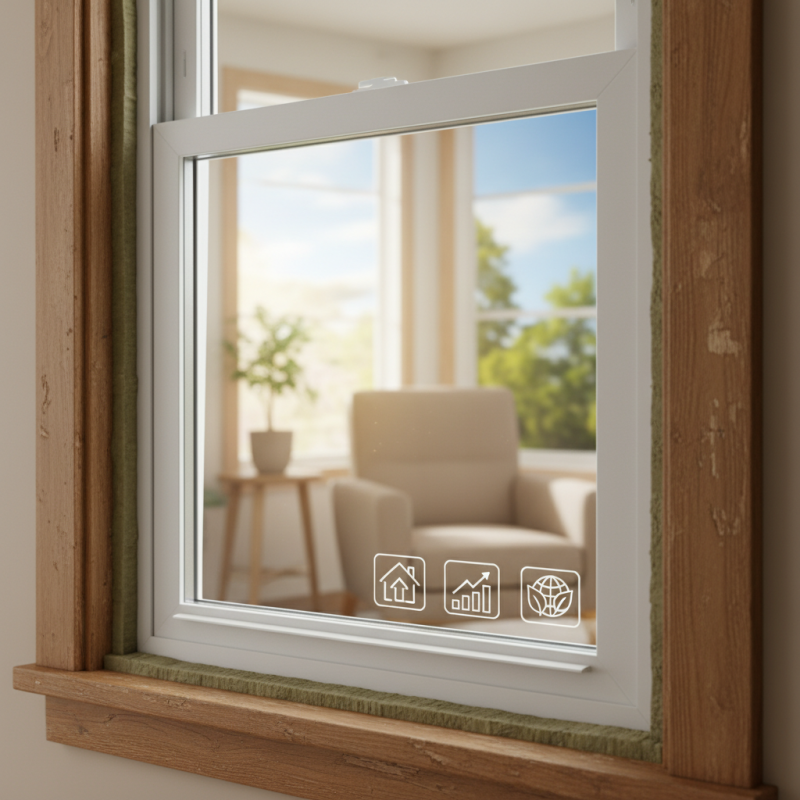
Retrofitting windows is a smart move for energy efficiency. These windows are designed to fit into existing frames, making installation quick and less invasive. According to the U.S. Department of Energy, retrofitting can reduce energy loss by up to 30%. This results in significant savings on heating and cooling bills.
Investing in retrofit windows improves comfort too. They enhance insulation, keeping homes warmer in winter and cooler in summer. A study from the National Renewable Energy Laboratory revealed that homes with upgraded windows experienced a 20% increase in energy performance. However, costs can vary widely based on material and labor. Planning ahead is crucial.
**Tip:** Research local incentives or rebates for energy-efficient upgrades. Some states offer financial assistance for retrofitting projects. **Tip:** Always check the U-factor and Solar Heat Gain Coefficient (SHGC) ratings before deciding on the right windows. These ratings indicate energy efficiency levels. Not all retrofit solutions are created equal. Some may not fit as seamlessly into your home’s aesthetic. Understanding the options available can lead to better choices.
Key Energy-Saving Benefits of Installing Retrofit Windows
Retrofitting windows can lead to significant energy savings for homeowners. According to the U.S. Department of Energy, heat gain and loss through windows can account for 25% to 30% of residential energy use. By installing retrofit windows, you can create a more energy-efficient home. These windows use advanced materials that enhance insulation. They can reduce heating and cooling costs by up to 15%.
Tip: Consider double or triple-glazed windows. They provide better thermal performance than single-pane glass. The gap between panes contains inert gas, minimizing heat flow.
Moreover, retrofit windows can improve your home's comfort. They minimize drafts and maintain a consistent indoor temperature. This consistency can reduce the need for heating or cooling systems to overwork. A report by the National Renewable Energy Laboratory indicates that homes with energy-efficient windows can see increased comfort levels by approximately 20%.
Tip: Don’t forget about proper installation. Even the best quality windows won't perform well if not installed correctly. Hiring a qualified professional can ensure optimal results.
In terms of environmental impact, retrofit windows contribute to reducing carbon footprint. Energy-efficient homes rely less on fossil fuels. They play an essential role in promoting sustainability in the housing sector. Embracing these changes can lead to a more responsible energy future.
Top 10 Benefits of Retrofit Windows for Energy Savings
| Benefit |
Description |
Energy Savings (%) |
Return on Investment (Years) |
| Improved Insulation |
Retrofit windows often feature double or triple glazing which reduces heat loss. |
20% |
5 |
| Reduced Drafts |
Sealed frames prevent cold air from entering and warm air from escaping. |
15% |
4 |
| UV Protection |
Low-E coatings block harmful UV rays, protecting interiors. |
5% |
6 |
| Noise Reduction |
Better sealing and insulation reduce outside noise significantly. |
10% |
3 |
| Increased Home Value |
Energy-efficient windows can increase resale value. |
N/A |
N/A |
| Energy Efficiency Tax Credits |
Installing energy-efficient windows may qualify for tax incentives. |
N/A |
N/A |
| Condensation Control |
Improved designs reduce the chance of condensation on the glass. |
5% |
4 |
| Aesthetic Improvements |
New windows enhance the visual appeal of a home. |
N/A |
N/A |
| Lower Heating and Cooling Costs |
Overall reductions in energy usage lead to lower utility bills. |
30% |
7 |
| Less Maintenance Required |
Newer windows often come with low-maintenance features. |
N/A |
N/A |
Cost Savings: Reducing Energy Bills with Retrofit Windows
Retrofit windows can significantly reduce energy bills by enhancing the thermal efficiency of your home. When you replace old, single-pane windows with retrofit alternatives, you create a seal that helps regulate indoor temperatures. This means your heating and cooling systems work less, saving you money on monthly energy costs. The initial investment may feel daunting, but the long-term savings can outweigh this concern.
Many homeowners report noticeable reductions in their energy bills. On average, retrofit windows can lower energy usage by 20% to 30%. This not only impacts your wallet but also benefits the environment. Improved insulation leads to lower greenhouse gas emissions. Yet, it's crucial to choose energy-efficient models that suit your home’s architecture. Not all retrofit windows are created equal. The right choice can maximize energy savings and enhance comfort.
In some cases, potential buyers overlook the importance of proper installation. An experienced professional can make a difference in efficacy. Poorly installed windows may still lead to air leaks and drafts. Homeowners should consider investing time in finding the right installer. The benefits of retrofit windows extend beyond mere cost savings; they also improve your home's value and livability.
Top 10 Benefits of Retrofit Windows for Energy Savings
This bar chart illustrates the estimated annual savings associated with each benefit of retrofit windows. The focus is on energy cost reductions, with additional advantages such as increased home value and comfort, highlighting the cost-effectiveness of upgrading to retrofit windows.
Environmental Impact of Retrofit Windows on Carbon Footprint
Installing retrofit windows offers significant environmental benefits, especially in reducing carbon footprints. According to the U.S. Department of Energy, buildings account for about 40% of total energy consumption. By upgrading to energy-efficient windows, homeowners can lower heating and cooling needs. This contributes directly to reduced greenhouse gas emissions.
A study published by the National Renewable Energy Laboratory found that replacing single-pane windows with energy-efficient models can reduce energy loss by up to 30%. This energy savings translates into fewer fossil fuels burned for electricity. By reducing energy consumption, each household can help mitigate climate change, making retrofit windows a sustainability choice.
Tips for homeowners considering retrofit windows: select Low-E glass, which reflects heat while allowing natural light. Also, ensure proper installation. Even small gaps can compromise energy efficiency. Lastly, be aware that while retrofit windows offer many benefits, initial costs can be higher than traditional options. Reflecting on long-term savings and environmental impact is essential.
Enhancing Home Comfort Through Improved Insulation from Retrofit Windows
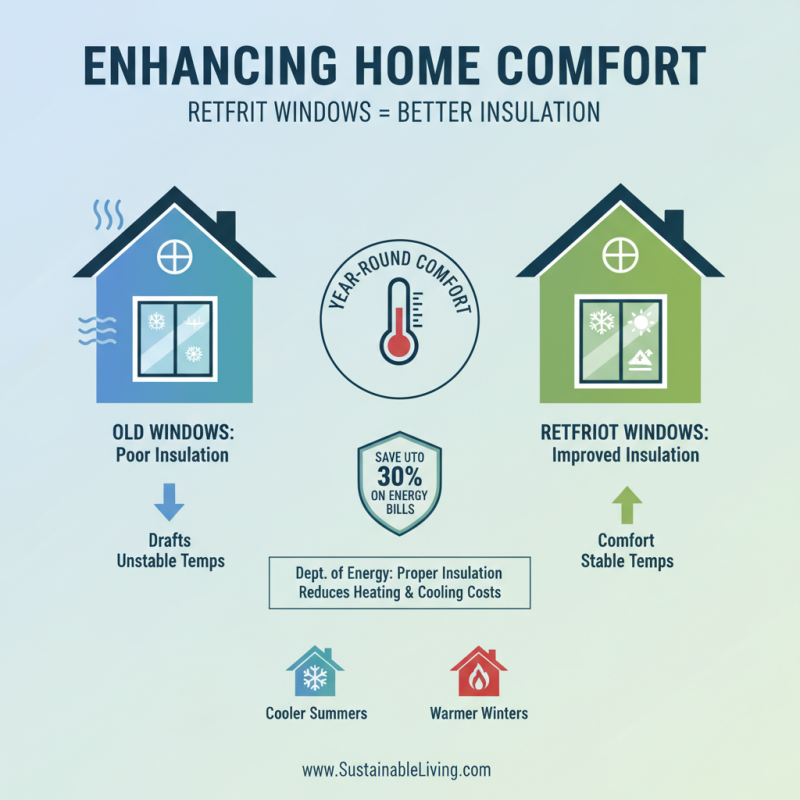
Retrofit windows can greatly enhance home comfort by providing improved insulation. According to the Department of Energy, proper insulation can reduce heating and cooling costs by up to 30%. This means homeowners can enjoy a more stable indoor temperature throughout the year. The right insulation keeps the cold air in during summer and the warmth in during winter.
The installation of retrofit windows typically involves double or triple glazing. This design minimizes heat transfer. Studies show that homes with such windows can save an average of $300 annually on energy bills. Additionally, they help reduce outside noise, creating a quieter living environment. Many homeowners underestimate how crucial sound insulation is to their comfort.
Yet, not all retrofit options deliver equal results. Some may not fit properly, leading to air leaks. Regular maintenance is necessary to ensure effectiveness. Homeowners might discover that choosing the right material and design is complex. This journey often requires research and sometimes professional advice. An informed choice is critical for maximizing both comfort and energy savings.