What Are the Top Home Window Types for 2026?

Choosing among the top home windows for 2026 requires more than following design trends. Climate, orientation, energy costs, maintenance, and installation quality all influence performance. A large south-facing window may capture useful winter sunlight, yet create uncomfortable summer heat without suitable glazing. In colder regions, triple-pane glass and warm-edge spacers can reduce heat loss. In mild climates, carefully selected low-emissivity glass may provide better value.

Matt Risinger, a building-science educator and construction expert, often states, “A house is a system.” That principle matters when comparing casement, double-hung, awning, sliding, picture, and specialty windows. The best choice should work with insulation, shading, ventilation, and the wall assembly. It should not be selected from appearance alone.

Small details matter.

This guide will examine the leading home windows expected to shape residential projects in 2026. It will consider frame materials, U-factor, solar heat gain coefficient, visible light, noise control, security, and repair needs. Fiberglass may suit homeowners seeking dimensional stability, while wood-clad designs can deliver warmth with greater maintenance demands. Vinyl remains practical, but quality varies widely between manufacturers. Smart glass is promising, though its cost and long-term serviceability deserve closer scrutiny.

There is no universal winner. That is easy to forget.

A reliable decision also depends on professional measurement and correct flashing. Even an excellent window can leak when installed poorly. This overview will balance performance claims with real-world limitations, helping readers compare attractive options without overlooking the details that protect comfort, durability, and energy efficiency.
What Are the Top Home Window Types for 2026?

Window Selection Criteria for Modern Homes in 2026

Choosing windows for a modern home in 2026 requires more than following popular design trends. Start with the room. A south-facing living room may need low solar heat gain, while a shaded bedroom may benefit from larger glass areas. Energy labels, U-factor, solar heat gain coefficient, visible transmittance, and air-leakage ratings offer practical comparison points. Local climate matters more than online rankings.

Casement and awning windows usually provide strong ventilation and tight seals when closed. Fixed windows can bring wide views with fewer moving parts. Sliding windows suit narrow openings, although their seals may need closer inspection. Tilt-turn designs offer flexible ventilation and easy cleaning, but their hardware can require skilled installation. Details matter. Select laminated glazing near busy roads, and consider triple glazing in cold or noisy locations. In warm regions, exterior shading may outperform expensive glass upgrades.

A reliable installer should check wall conditions, drainage paths, flashing, and the opening’s true measurements. Even excellent glass performs poorly when foam, sealant, or flashing is applied carelessly. Ask for written performance data and installation procedures. Building codes and emergency-exit requirements must also guide bedroom window choices. I have seen homeowners prioritize thin frames, then regret the heat and maintenance problems. A slimmer profile is not automatically better. Review ventilation habits, cleaning access, privacy, and future repair costs before approving the final schedule.

What Are the Top Home Window Types for 2026?
Window Selection Criteria for Modern Homes in 2026
Performance figures are typical ranges for modern residential windows and vary by glazing, frame material, size, installation quality, and local climate.
Window Type Typical Operation Typical U-Factor Typical SHGC Range Ventilation Air-Tightness Potential Best Use in Modern Homes Main Limitation
Casement Side-hinged sash opens outward with a crank or handle 0.20–0.30 Btu/h·ft²·°F 0.20–0.40 Excellent; opening directs airflow into the room High when fully closed and gasketed Energy-efficient façades, bedrooms, living rooms, and cross-ventilation plans Requires exterior clearance; hardware may need maintenance
Fixed or Picture Non-operable glazed panel 0.18–0.28 Btu/h·ft²·°F 0.20–0.50 None Very high; no operating joints Large views, daylighting, architectural feature walls, and passive-solar designs Cannot provide natural ventilation or emergency egress
Awning Top-hinged sash opens outward from the bottom 0.20–0.30 Btu/h·ft²·°F 0.20–0.40 Very good; can remain partially open during light rain High with compression seals Bathrooms, kitchens, clerestory openings, and high-rainfall areas Usually unsuitable as a primary bedroom egress window
Double-Hung Upper and lower sashes slide vertically 0.25–0.35 Btu/h·ft²·°F 0.20–0.40 Good; allows top-to-bottom airflow Moderate to high, depending on seals and installation Traditional and contemporary façades, bedrooms, and replacement projects More air leakage risk than hinged windows if weather-stripping wears
Single-Hung Lower sash slides vertically; upper sash remains fixed 0.25–0.36 Btu/h·ft²·°F 0.20–0.40 Moderate Moderate to high Cost-conscious projects, compact rooms, and areas with limited exterior clearance Less ventilation flexibility and harder exterior cleaning on some installations
Sliding One or more panels slide horizontally on tracks 0.25–0.38 Btu/h·ft²·°F 0.20–0.40 Moderate; usually only part of the opening ventilates Moderate; track systems need careful sealing Wide openings, compact balconies, patios, and rooms where projecting sashes are impractical Tracks can collect dirt, and the opening area is typically limited to about half the unit
Tilt-and-Turn Tilts inward at the top or swings inward from the side 0.18–0.30 Btu/h·ft²·°F 0.20–0.40 Excellent; adjustable secure ventilation Very high with multi-point locking and continuous seals High-performance envelopes, urban homes, and rooms requiring controlled ventilation Higher hardware complexity and inward swing clearance requirements
Bay or Bow Multiple windows project outward from the wall 0.25–0.40 Btu/h·ft²·°F 0.20–0.40 Depends on the operable center and side units Moderate; more joints and perimeter area Expanded seating areas, reading spaces, additional daylight, and architectural depth Higher structural, air-sealing, shading, and installation requirements
Key 2026 Selection Criteria: Compare whole-window U-factor and SHGC rather than glass-only figures, confirm local energy-code requirements, select low-emissivity double or triple glazing where appropriate, verify emergency-egress dimensions for sleeping rooms, and prioritize professional installation with continuous perimeter air sealing.

Casement and Awning Windows: Ventilation and Energy Efficiency

What Are the Top Home Window Types for 2026?

Casement and Awning Windows: Ventilation and Energy Efficiency

Casement and awning windows remain strong choices for homeowners who value fresh air and lower energy use. Their hinged sashes open outward, catching breezes more effectively than many sliding designs. A casement window opens from the side, while an awning window hinges from the top. This difference matters during light rain, because awning windows can admit air while shedding some water.

A tight seal supports energy efficiency. When closed, the sash presses against weatherstripping around the frame, limiting drafts and outdoor noise. Look for low-emissivity glass, insulated frames, and reliable multi-point locks. Professional installation also matters. A small gap around the frame can undermine otherwise good glass. Small details matter. In practice, I would check the opening, lock alignment, and drainage paths before judging performance.

Room use should guide the decision. Casement windows suit bedrooms and living areas where broad ventilation is helpful. Awning windows work well above counters, sinks, and lower windows, where privacy or furniture may restrict access. They need clear space outside, especially near walkways or patios. Wind exposure deserves attention too. A wide open sash may feel impressive, but it can strain hardware in severe weather. Energy savings also depend on shading, indoor humidity, and installation quality, not the window type alone. It is not perfect.

Sliding, Double-Hung, and Single-Hung Windows: Practical Operation

What Are the Top Home Window Types for 2026?

Sliding, double-hung, and single-hung windows remain practical choices for everyday operation. Sliding windows move horizontally along a track. They need little exterior clearance, which suits patios, walkways, and rooms with limited space. Their wide opening supports quick ventilation, although the open area is usually smaller than the full frame. Clean tracks matter. Dust can make a simple slide feel surprisingly heavy.

Double-hung windows open from both the top and bottom. Warm air can escape through the upper sash while cooler air enters below. This creates useful cross-ventilation without opening the entire window.

Single-hung windows operate from the bottom sash only. They usually have fewer moving parts, which may reduce maintenance concerns and cost. However, upper-level cleaning can be less convenient.

The U.S. Department of Energy reports that windows can account for roughly 25% to 30% of residential heating and cooling energy use. Operation affects comfort, not just convenience. A poorly sealed sliding track or an unlatched sash can weaken performance.

The National Fenestration Rating Council recommends comparing U-factor and Solar Heat Gain Coefficient values, rather than judging windows by style alone. In my experience, double-hung units feel more adaptable, but that preference is not universal. Hardware strength, screen fit, and user reach deserve equal attention. Small details matter.

Picture, Bay, and Bow Windows: Light, Views, and Design

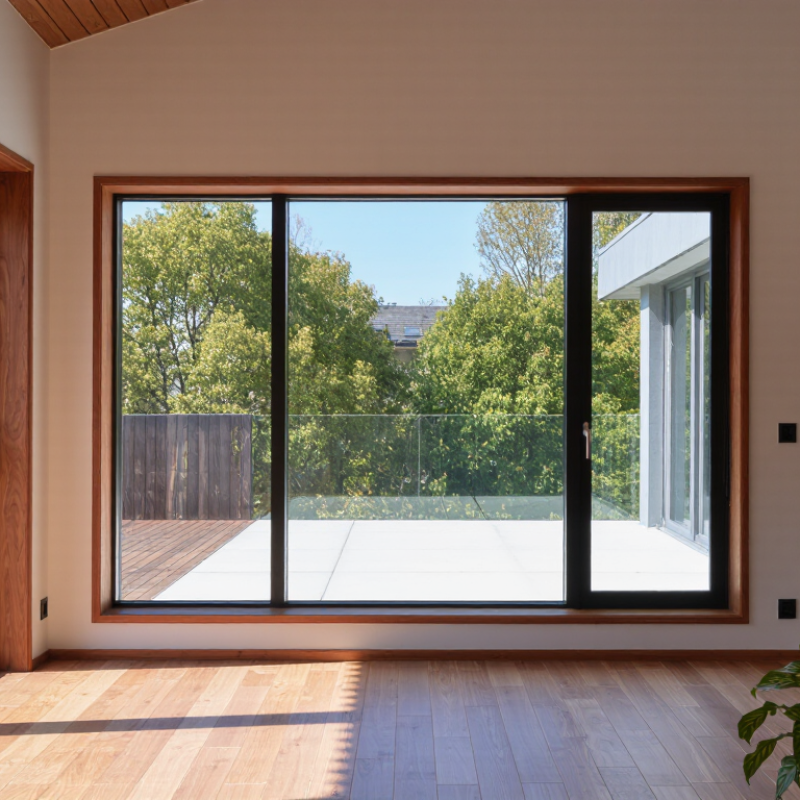
Picture, bay, and bow windows are leading choices for 2026 because they shape daylight, views, and room character. A picture window creates a broad, uninterrupted scene, like a framed garden or skyline. It has no opening sections, so it usually offers strong visual clarity and fewer air-leakage points. Bay windows project outward with angled sections, adding a practical ledge for plants or seating. Bow windows use several smaller panels and create a softer, curved profile. They suit traditional façades, though their extra joints require careful installation.

The U.S. Department of Energy reports that windows can account for 25–30% of residential heating and cooling energy use. That makes glass selection more important than size alone. Check U-factor, solar heat gain coefficient, and visible transmittance before choosing a dramatic design. In warm, sunny rooms, lower solar heat gain can reduce afternoon overheating. In colder climates, well-oriented glazing may capture useful winter sunlight. The 2024 Cost vs. Value Report found that replacement windows can recover roughly 63–67% of project cost nationally, depending on material and location. Regional results vary. They can vary sharply.

From practical renovation experience, large picture windows often need exterior shading, especially beside west-facing walls. Bay and bow windows also demand precise flashing and structural support. A beautiful projection can become a maintenance problem when drainage is overlooked. Ask for NFRC-rated performance data, installation details, and a clear warranty before approving the design.

What Are the Top Home Window Types for 2026?

Picture, bay, and bow windows compared by representative glazed sections and operable sections.

Picture windows typically provide one uninterrupted glazed section and no operable sash, maximizing clear views and daylight. Bay windows commonly combine three window units, while bow windows generally use four or more units to create a broader curved projection. Actual layouts vary by project and local design requirements.

Smart and Specialty Windows for Climate, Privacy, and Security

In 2026, home windows are becoming active parts of indoor comfort.
Smart glass can tint automatically when sunlight becomes harsh. This reduces glare and may lower cooling demand. Some systems respond to sensors, schedules, or voice controls. They stay clear.

Low-emissivity glass still matters, especially in colder regions. Check the window’s U-factor and solar heat gain rating before choosing. A lower U-factor usually means better insulation.

Privacy and security are also shaping window design.
Switchable privacy glass can turn opaque within seconds. It suits bathrooms, street-facing bedrooms, and compact urban homes. Laminated glass adds another layer of protection because its inner film holds broken pieces together. Opening sensors can send alerts when a window moves unexpectedly. Reinforced frames remain important. Smart controls cannot fix weak installation.

I once saw a highly advanced window installed in a poorly sealed opening. The technology looked impressive, but cold air still entered around the frame. That detail is easy to miss.

Professional measurement and weatherproof fitting often matter more than extra features. Homeowners should also consider power failures, cleaning needs, repair access, and data privacy. Not every room needs smart glass. Sometimes, a well-fitted specialty window with durable hardware is the more sensible choice.