Replacing old windows can improve comfort, daylight, noise control, and household energy performance. Yet the right choice depends on more than attractive frames or advertised savings. Home age, wall construction, climate, glass direction, and installation quality all matter. A window that works well in a dry region may fail in a humid coastal home.
This guide explores seven practical ways to replace my windows in 2026. These options include full-frame replacement, insert windows, professional installation, and carefully planned do-it-yourself work. It also considers modern materials, low-emissivity glass, improved sealing, and smart window features. Each method has different costs, disruption levels, maintenance needs, and expected benefits. Local building requirements and manufacturer instructions should guide the final decision.
Small details matter. A poor measurement can leave a visible gap beside the frame. Weak flashing may allow rain behind the wall. Even premium glass cannot correct careless installation. That is easy to underestimate. An experienced contractor should inspect moisture damage, verify opening sizes, explain warranties, and provide a written estimate. Independent energy advice can also prevent exaggerated savings claims.
No single method is perfect. Budget limits, historic features, ventilation needs, and future renovation plans may change the answer. This overview aims to make the decision clearer, not effortless. Before ordering anything, compare several quotes, check references, and examine sample frames in daylight. A thoughtful replacement plan can protect comfort and value, but rushing it may create expensive problems.
Replacing windows in 2026 should begin with a careful assessment, not a quick shopping decision.
Start with the room. Walk around each window during wind, rain, and bright sunlight. Notice cold air near the sill, rattling glass, peeling paint, or moisture trapped between panes. A small patch of condensation may be normal, but repeated indoor moisture can signal poor ventilation or failing seals.
Black staining around the frame deserves prompt professional inspection.
Check how each window works. Does it stick, close unevenly, or leave a visible gap? Measure the opening at several points because older walls rarely stay perfectly square.
Measure twice.
Record the width, height, frame material, glass condition, and direction each window faces. South- and west-facing windows may create uncomfortable afternoon heat, while north-facing rooms often need better insulation. Street noise, child safety, and emergency escape requirements also affect the right replacement choice.
Energy bills can reveal a pattern, but they cannot identify every cause. Drafts may come from damaged wall insulation or worn weatherstripping rather than the glass itself.
I have seen homeowners replace a window when the real problem was a leaking roof above it. That mistake is expensive and easy to repeat.
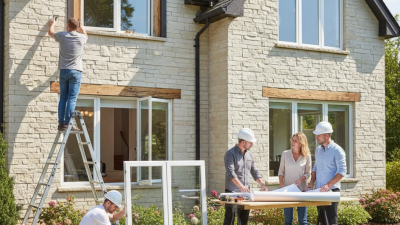
A qualified window professional can inspect the opening, surrounding wall, drainage path, and installation history before recommending work. Ask for written measurements and a clear explanation of which windows need replacement now, which can be repaired, and why.
7 Best Ways to Replace My Windows in 2026?
Compare Seven Window Replacement Methods for 2026
Window replacement in 2026 offers seven practical paths: full-frame replacement, insert replacement, sash replacement, pocket replacement, retrofit installation, interior window panels, and storm-window upgrades. Full-frame work removes the old frame and exposes hidden damage. It costs more, but it suits rotten wood, leaks, or major remodeling. Insert and pocket methods keep the existing frame. They reduce labor and mess, though they may slightly reduce glass area.
Sash replacement changes the moving sections while preserving the frame. It works well when the frame remains square and dry. Retrofit installation adds a new unit over an existing opening. It is faster, but careful measuring becomes critical. Interior panels improve insulation without outdoor disruption. They may look less seamless. Storm windows add another protective layer and often cost less. However, they cannot correct serious frame decay. DIY installation may reduce expenses, but uneven gaps can cause drafts, water entry, and early failure. I have seen small measuring errors create expensive repairs.
Tips: Check the frame with a screwdriver. Soft wood signals hidden damage. Compare U-factor, air leakage, glass spacing, and installation warranties. Request written measurements from two qualified installers. Ask how they handle flashing and disposal. Keep one old window until the new unit survives heavy rain. That step sounds excessive. It can reveal problems early. Never choose a method from price alone; wall condition, climate, ventilation, and emergency escape requirements matter just as much.
Comparison of typical U.S. residential window-replacement approaches by estimated installed cost per opening. Costs are planning estimates for 2026 and vary by window size, materials, labor, access, and local regulations.
Lower-cost options such as repairs, storm panels, and DIY retrofits may work well when the existing frame is sound. Full-frame replacement generally costs more but is better suited to damaged frames, moisture problems, or major changes to window size.
7 Best Ways to Replace My Windows in 2026?
Window replacement should begin with climate, not appearance. The U.S. Department of Energy reports that windows can cause 25–30% of residential heating and cooling energy use. That figure made me reconsider cheap upgrades. A low U-factor reduces heat transfer, while a lower solar heat gain coefficient limits unwanted summer heat. Check both on the National Fenestration Rating Council label.
Choose frame materials carefully. Vinyl usually needs little maintenance, while wood offers warmth but demands regular protection. Fiberglass resists expansion and contraction well. Aluminum is strong, though it can conduct heat without a thermal break. I once focused on frame color first. That was a mistake.
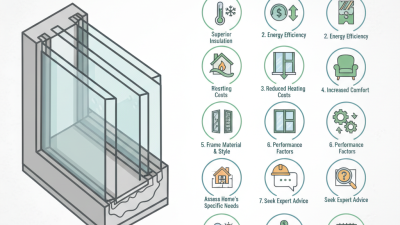
Glass deserves equal attention. Double-pane units suit many homes, but triple-pane glass can improve comfort in colder regions. Low-emissivity coatings reduce radiant heat loss. Inert gas fills may improve insulation, but poor installation can erase those gains. Energy Star guidance emphasizes certified energy performance, not just attractive claims. Ask about visible transmittance if daylight matters. Consider air leakage ratings, spacer quality, and whole-frame performance. Small details matter.
The National Fenestration Rating Council warns that ratings should be compared within the same climate needs. A window with excellent winter insulation may admit too much summer heat. Professional measurements also matter. Even the best glass performs badly around an uneven opening. My practical rule is simple: compare labels, inspect the wall condition, and request written installation details before choosing materials.
Replacing windows in 2026 should begin with a room-by-room inspection, not a sales appointment. Check drafts, condensation, soft trim, and windows that no longer open safely. Measure each opening twice, then record width, height, frame condition, and exposure to rain. A simple spreadsheet prevents expensive guesses. It also shows which rooms need replacement now. My practical rule is to keep a 10 to 15 percent contingency for hidden damage. That allowance may feel excessive. It rarely does after trim is removed.
Set a budget that includes units, removal, disposal, interior repairs, exterior sealing, labor, permits, and possible structural work. Ask the local building department whether a permit or historic-review approval is required before ordering materials. Requirements vary by location, especially for emergency-exit openings and size changes. Keep copies of applications, approvals, invoices, and product specifications. A qualified contractor should explain installation methods, drainage details, warranty limits, insurance, licensing, references, and payment schedules. Get at least three detailed bids. The cheapest quote can omit essential flashing or finishing.
During site visits, watch how each contractor protects flooring and checks rough openings. Ask who performs the work and who handles inspections. Never rely on verbal promises alone. I once underestimated repainting and interior trim, so I now price those tasks separately. Leave time for weather delays and inspection corrections. A careful schedule matters more than a fast promise.
Replacing windows in 2026 should begin with long-term performance, not the lowest estimate. The U.S. Department of Energy reports that windows can cause 25–30% of residential heating and cooling energy use. Energy-efficient units may reduce annual heating and cooling costs by roughly 7–15%, according to ENERGY STAR guidance. Check U-factor, solar heat gain coefficient, and air-leakage ratings through the National Fenestration Rating Council. A low U-factor matters in cold regions, while lower solar heat gain can reduce summer cooling.
Maintenance deserves equal attention. Inspect frame joints, drainage paths, weatherstripping, and exterior sealant every year. Condensation between glass panes signals failed insulating seals. That repair can be inconvenient and expensive. Vinyl frames usually require less painting, while wood frames demand regular coating inspections, especially near wet climates. Installation quality can outweigh product specifications; poor shimming or flashing may cause drafts and hidden moisture.
Value is less predictable than sales brochures suggest. The 2024 Cost vs. Value Report estimates about 67% cost recovery for vinyl window replacement and approximately 64% for wood replacement. These figures vary by region, project scale, and housing condition. I would not replace sound windows only for a future resale premium. If frames are warped, rooms feel cold beside closed windows, or utility bills remain unusually high, replacement becomes easier to justify. The uncomfortable truth is that energy savings may take years to repay installation costs.