Double windows can describe more than one design, which makes the term easy to misunderstand. It may refer to two operable sashes, two separate window units, or glazing with two panes. Those are not the same thing. Building scientist Joseph Lstiburek offers a useful reminder: “Windows are holes in walls.” The details of the frame, glass, seals, and installation all affect how well that opening performs.
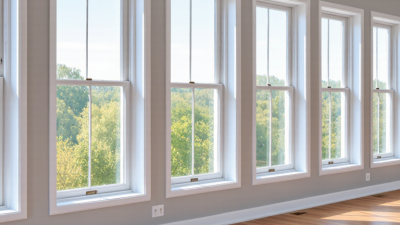
In this guide, we’ll explain what double windows are and distinguish common types. Double-hung windows have two sashes that slide vertically; both may open, depending on the design. Double-glazed windows use two panes separated by a sealed space, helping limit heat transfer and outside noise. Secondary glazing adds an interior window panel to an existing window. It can be useful in older homes, though the result depends on fit and ventilation.
Look closely at the room, too. A sash that tilts inward may make cleaning easier above a narrow porch. A sealed glass unit may improve comfort, but it will not fix a draft caused by poor installation. There’s no universal winner. Even the terminology varies by region and retailer, so product labels deserve a second look. Understanding these differences helps homeowners compare options by operation, insulation, maintenance, and budget—not by name alone.
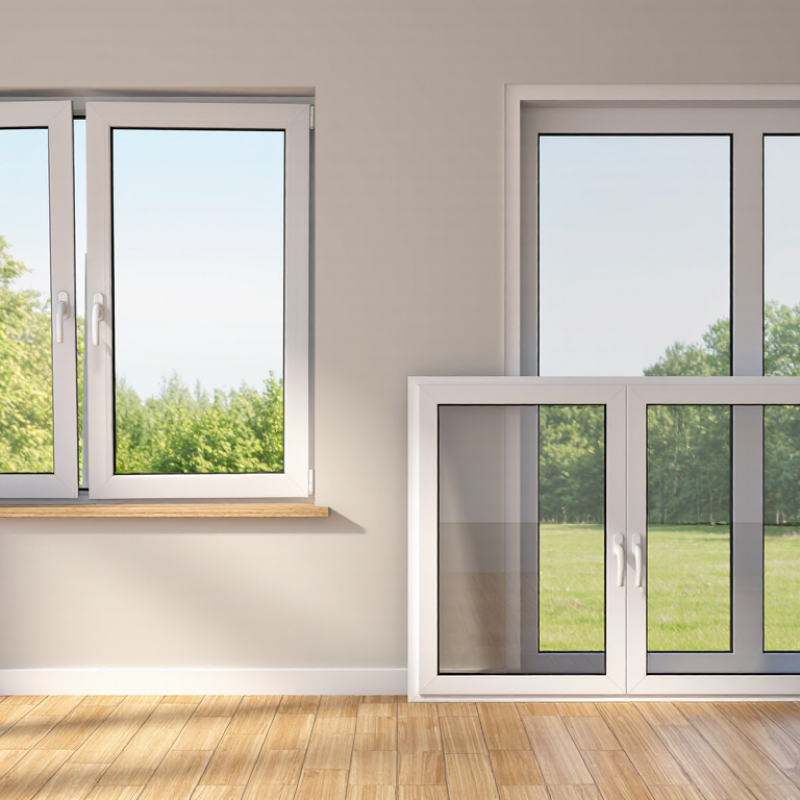
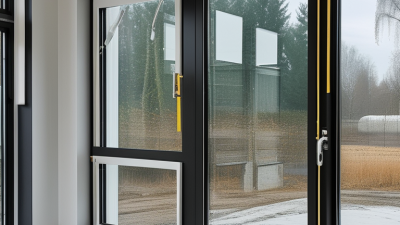
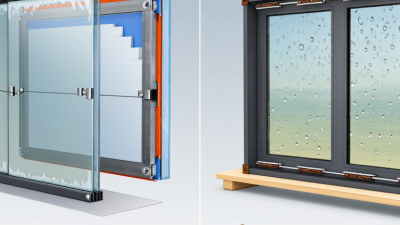
A double window usually means a window with two panes of glass set within one frame. The panes are separated by a narrow cavity, often sealed with air or an insulating gas. That cavity slows heat transfer. A spacer keeps the panes apart, while seals around the glass help limit air and moisture leakage. The frame supports the unit and connects it to the wall opening.
It is not the same as a double-hung window. A double-hung window has two movable sashes; it may have one, two, or more glass panes in each sash. Details matter. Some double-glazed units also use low-emissivity coatings, which reflect heat while allowing visible light through. The glass, spacer, seals, and frame work as a system, so one weak edge can reduce performance.
The U.S. Department of Energy’s Energy Saver guidance estimates that heat gain and loss through windows account for about 25%–30% of residential heating and cooling energy use.
That figure describes windows broadly, not double-glazed units alone. A double window’s actual performance depends on its construction, installation, climate, and upkeep. It is easy to focus on the glass and overlook the frame. That is worth reconsidering. A poorly sealed frame can still let drafts reach a cold sill or curtain.
A double window usually has two panes of glass separated by a narrow space, often sealed inside one frame. The panes create a barrier between indoor and outdoor air. That gap matters. Still air slows heat transfer, while some units use an insulating gas to improve performance. Low-emissivity coatings can also reflect heat toward its source without blocking all daylight.
On a cold morning, the inner pane may feel warmer than a single pane because less heat escapes through the glass. In summer, the same construction can reduce heat entering the room, though direct sunlight and poor shading still matter. The frame and installation affect results too; a well-made glass unit can underperform if air leaks around its edges. Not every “double window” uses a sealed glass unit. Some homes have two separate window sashes, with an air space between them. That arrangement works similarly, but the space may be harder to keep airtight. If moisture or fog appears between sealed panes, the edge seal may have failed. It is tempting to judge performance by glass alone, but drafts, frame condition, and careful fitting deserve a closer look.
| Window Type | What It Is | How It Works | Common Benefits | Things to Consider |
|---|---|---|---|---|
| Two Separate Window Units | Two complete window units installed in the same opening, often with a space between them. | The inner and outer windows form separate barriers. The enclosed space can reduce air movement and help limit heat transfer and outside noise when the assembly is well sealed. | Can improve insulation and sound reduction; may be useful in renovations or buildings with specific architectural requirements. | Requires enough wall or frame depth. The air space, seals, drainage, and ventilation should be designed to manage condensation. |
| Secondary Glazing | A second, usually independent pane or glazed frame fitted inside an existing window. | The added interior layer creates an insulating air gap. A fixed panel stays in place, while an operable panel can be opened for access or ventilation. | Can upgrade an existing window without removing the original frame; may improve comfort and reduce noise. | Performance depends on the quality of the seal and installation. Access to the original window and cleaning may be more difficult. |
| Double-Glazed Insulating Glass Unit (IGU) | Two panes factory-sealed together in one insulated glass unit, rather than two separate complete windows. | A sealed cavity between the panes contains air or, in some units, an insulating gas such as argon. The cavity slows heat transfer; low-emissivity coatings may further reduce radiant heat flow. | Common in modern windows; combines two panes in a compact unit and can improve thermal performance compared with single glazing. | It is often called “double glazing,” but it is not necessarily what people mean by a “double window.” If the perimeter seal fails, moisture can appear between the panes. |
| Storm Window | An additional exterior or interior window panel installed over an existing window. | The added panel and the space between it and the original window create an extra barrier against drafts and weather. Some models open; others are fixed. | Can improve the performance of older windows while retaining the original units; available in seasonal and permanent designs. | Correct fit and drainage are important. The design should allow moisture to escape or be managed to reduce condensation risk. |
| Double-Hung Window | A window with two vertically arranged sashes, both of which can slide up and down. | The sashes move within the frame, allowing ventilation through the upper opening, lower opening, or both. | Offers flexible ventilation and is often designed so the sashes tilt inward for cleaning. | “Double-hung” describes the sash operation, not two separate windows or two panes of glass. Airtightness and insulation depend on the window’s construction and condition. |
Terminology note: “Double window” is not a single standardized product term. It may refer to two separate window units, secondary glazing, or be confused with double glazing or a double-hung window. Check the construction details when comparing products.
“Double window” can describe a window with two moving sections or one unit with two glass panes. The term varies by region and supplier, so check the product specification before comparing options. The main types differ in how they open, clean, and seal.
A double-hung window has two vertically sliding sashes; either sash can move, which helps control airflow. A double-slider uses two panels that slide horizontally, often fitting wide openings. Paired casement windows hinge at the sides and swing outward, catching breezes from different directions. Some designs combine a fixed panel with an opening sash. These styles can all use double glazing: two panes separated by a sealed gap. That gap may help reduce heat transfer and outside noise, but performance depends on the glass, frame, and installation. Looks similar. Works differently.
Tips: Check how much clear space each style needs to open. Ask whether both sashes tilt inward for cleaning, and confirm the glazing details. A small measuring mistake can affect fit; I’d measure the opening in several places, since older frames are not always square.
A double window usually refers to a double-glazed unit: two panes of glass separated by a sealed space. The chart compares common glazing configurations by the number of glass panes; it does not indicate energy performance.
Double-glazed windows have two panes and may use air or insulating gas in the gap. Low-emissivity coatings and frame materials also vary, so actual insulation performance depends on the complete window, not pane count alone.
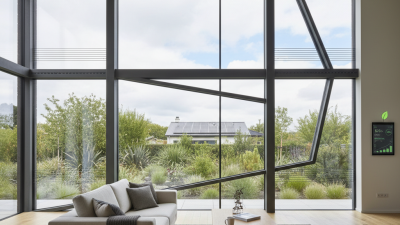
A double window usually means two panes separated by a sealed cavity, though the term can also describe a secondary interior window added to an existing one. Frames commonly use vinyl, wood, aluminum, fiberglass, or composites. Vinyl resists moisture and needs little upkeep; wood offers a warm finish but needs periodic protection. Aluminum is slim and strong, yet conducts heat readily unless it includes a thermal break. Fiberglass and composite frames can offer stable performance, though cost and local availability vary. Small details matter.
Configurations range from fixed panels to sliding, casement, and double-hung windows. Glazing options include clear glass, low-emissivity coatings, and cavities filled with argon or other insulating gases. A secondary interior panel can be useful in an older home where replacing the original frame is impractical, but its fit and condensation risk deserve careful attention. The U.S. Department of Energy’s Energy Saver guidance estimates that heat gain and loss through windows account for about 25–30% of residential heating and cooling energy use. That figure is not a guarantee for any particular house: climate, orientation, air leakage, and installation all change results. Compare rated U-factor and solar heat gain coefficient, rather than judging by pane count alone. I would be cautious about treating “double” as a performance rating.
Choosing a double window starts with clarifying what the term means. It may describe two panes sealed into one unit, or two separate windows fitted in the same opening. Ask the installer which design is proposed; their performance and maintenance needs differ.
Climate and window orientation help determine the right glazing. In cold areas, a low U-factor can reduce heat loss. On sunny sides, a suitable solar heat-gain rating may limit overheating. For traffic noise, compare tested sound ratings and consider how well the frame seals. Ratings are useful, but local conditions matter.
Check the existing frame, wall depth, and ventilation before choosing a style. A heavier unit may need stronger support, while an added interior window can affect condensation if moisture becomes trapped. Small details count. Ask how the installation manages drainage and air sealing, and review maintenance requirements. It is easy to focus on the glass and overlook the frame. That happens. Compare the full installed cost, not just the quoted window price, and request performance documentation for the exact configuration.