Who Are the Top Casement Window Manufacturers in China?

Choosing the right casement windows manufacturer in China takes more than comparing prices or browsing polished product photos. Buyers need to understand how each supplier handles design, production, testing, and after-sales support. A window may look excellent in a catalog. Its seals, hinges, drainage paths, and frame joints tell a fuller story.

Building-science expert Joseph Lstiburek is often associated with the blunt reminder, “Windows are holes in the wall.” It is a useful caution. Even a well-made casement window can disappoint if its installation, glazing, or weather seals are poorly matched to the project. Small details matter.

This guide examines prominent Chinese manufacturers and the evidence buyers can use to assess them. It considers product range, material options, hardware, customization, quality controls, and documented performance. Where possible, readers should request current test reports, inspect a physical sample, and clarify production and warranty terms directly with the supplier. A cutaway frame sample can reveal more than a glossy rendering.

There is no perfect shortlist. Public information can be incomplete, and supplier capabilities may change. That deserves a second look. The goal is not to declare one factory best for every project, but to help buyers compare manufacturers with practical questions and verifiable details.
Who Are the Top Casement Window Manufacturers in China?

Casement Window Types: Inward- and Outward-Opening Designs

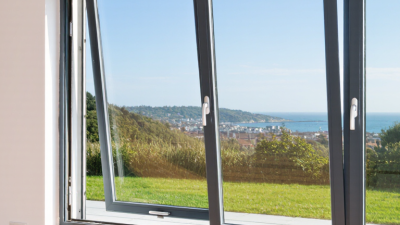
Inward- and outward-opening casement windows use side hinges, but they suit different rooms and everyday habits. An inward-opening sash swings into the room, making the exterior glass easier to clean from inside. This can be useful in upper-floor apartments or places where exterior access is awkward. Check the room layout, though. A wide-open sash may collide with curtains, furniture, or a nearby countertop.

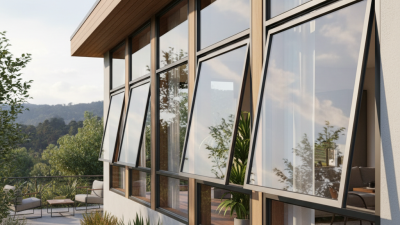
Outward-opening designs keep the sash outside the living area and can leave more usable space indoors. They may suit compact rooms, but projecting sashes need clearance from walkways, balconies, and neighboring structures. Wind exposure also matters; ask how the hinge system and locking points are specified for the intended opening size. Small details count. Compare frame samples, gasket contact, drainage paths, and hardware operation—not just catalog photos. For projects sourcing from China, request drawings that clearly show hinge direction and confirm the opening configuration before production. I would not assume one type is universally better; site conditions often decide, and measurements can still be imperfect.

Core Components: Thermal-Break Frames, IGUs, and Multi-Point Locks

Who Are the Top Casement Window Manufacturers in China?

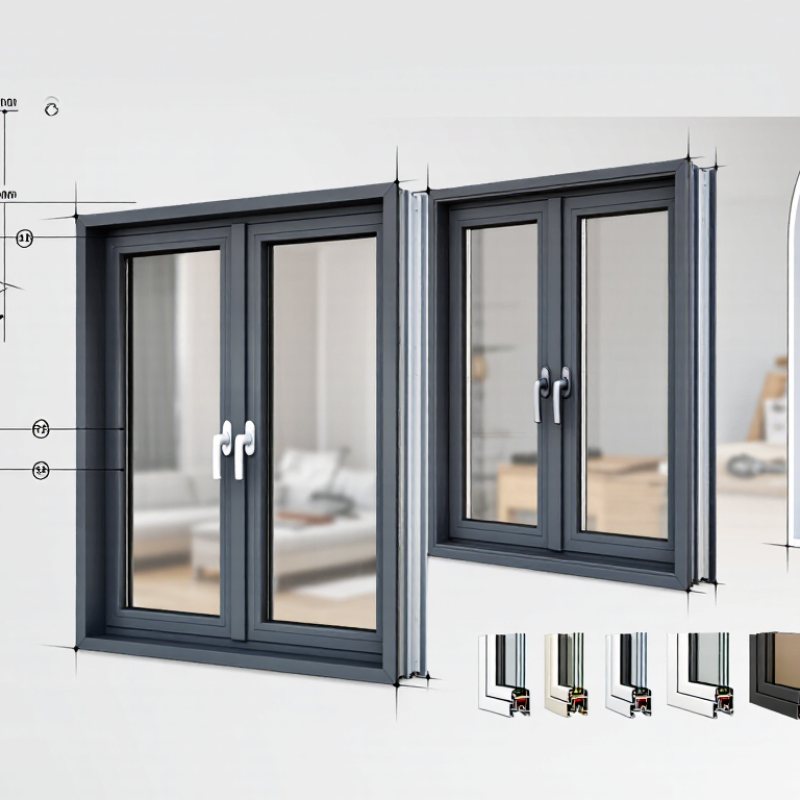
When comparing Chinese casement-window manufacturers, look beyond product photos and advertised ratings. A thermal-break frame uses a low-conductivity strip between its inner and outer aluminum sections. This can reduce heat transfer, but frame design and assembly quality matter too. Check corner joints, drainage paths, and finish consistency. Details matter.

Insulating glass units (IGUs) should be specified clearly. Ask about pane thickness, cavity width, spacer type, and gas fill, if included. These details affect insulation and condensation risk. A multi-point lock pulls the sash against the frame at several points, helping maintain even compression around the seals. Test the handle; it should move smoothly, without forcing. Small alignment problems can undermine an otherwise solid window. Installation matters just as much as the components, and this is easy to overlook.

Tips: Request written component specifications and sample test reports. Compare the same window size and configuration across suppliers. If possible, inspect a finished unit and check its seals, corners, and locking points by hand.

Performance Metrics: U-Factor, Air Leakage, and Water Tightness

For casement windows, performance figures matter more than polished showroom displays. U-factor measures heat transfer; a lower value generally means better insulation. Check whether the figure applies to the complete window, not just the glass. Frames, spacers, and window size can change results. Small details count.

Air leakage indicates how much air passes through a closed, locked sash under test pressure. Lower leakage can mean fewer drafts around windy corners or near a window seat. Water tightness measures resistance to water penetration at a stated pressure. Ask for test reports showing the tested configuration, pressure, and method. Numbers without these details are hard to compare fairly.

Request results from a qualified testing laboratory, and compare products tested under the same conditions. A high-performing sample may still disappoint if installation leaves gaps or drainage paths are blocked. Site workmanship matters. It is easy to overfocus on one impressive figure; I would also check hardware adjustment, gasket continuity, and how the manufacturer handles repeat testing. Performance data helps narrow choices, but it cannot predict every building, exposure, or installation.

GB/T 7106-2019: Wind-Pressure Classes 1–9 and Air-Tightness Classes 1–8

For casement windows, a class number is useful only when it comes with a test report. China’s GB/T 7106-2019 classifies wind-pressure resistance across Classes 1–9 and air-tightness across Classes 1–8. Higher classes indicate stronger tested performance, but they are not a substitute for checking the reported test values and specimen size. The standard’s classification data are the practical reference—not a sales claim.

Wind pressure tests examine how a window sash and frame respond to load and deformation. Air-tightness tests measure leakage under specified pressure differences. Small details matter: sash locking points, corner joints, seals, and installation gaps can all affect results. A well-rated laboratory sample may perform differently after poor installation. That caveat is easy to miss.

When comparing Chinese manufacturers, request the complete GB/T 7106-2019 report, including the tested configuration, pressure readings, leakage results, and laboratory details. Match the report to the proposed window’s opening direction, dimensions, glazing, and hardware. A higher class is not automatically necessary for every building; exposure, floor level, and local wind conditions should guide the specification.

Leading Chinese Manufacturers: Compare Certifications, Capacity, and Test Data

Choosing a Chinese casement window manufacturer takes more than comparing catalogues. Check whether certificates are current and cover the actual window system, hardware, and production site being offered. Ask for the issuing body, test scope, and product configuration; a certificate for one model may not apply to another. Details matter.

Production capacity needs evidence too. Request typical monthly output, standard lead times, and details about quality checks at key stages, such as frame welding and sash alignment. Compare those figures with your order size and delivery schedule. A large stated capacity is not useful if it depends on unverified assumptions. Ask for recent test reports that identify sample dimensions, glass specification, and test conditions. Air, water, and structural results should match the design you plan to buy. Reports without clear sample details are hard to assess. Paperwork can look tidy. Verify the dates and scope directly where practical. No single document proves consistent factory performance, and that distinction is easy to overlook. If possible, review inspection records or arrange a production audit before committing.

Who Are the Top Casement Window Manufacturers in China? - Leading Chinese Manufacturers: Compare Certifications, Capacity, and Test Data

Comparison Dimension What to Compare Relevant Standard or Evidence How to Assess a Supplier
Product scope Casement window material, opening configuration, glazing options, hardware, and available customization. Product catalogue, technical drawings, bill of materials, and sample-window specification. Confirm that the quoted configuration matches the one used in test reports; performance results apply to the tested specimen and scope.
Quality-management certification Whether the manufacturing site holds a current, independently certified quality-management system. ISO 9001 certificate showing the legal entity, covered site, scope, certification body, and validity dates. Verify the certificate with the issuing certification body. ISO 9001 is a management-system standard, not a window performance rating.
Environmental-management certification Environmental-management coverage at the relevant production site. ISO 14001 certificate with site, scope, issuer, and validity details. Treat this as evidence of a management system; it does not by itself establish product durability, energy performance, or environmental impact.
Chinese product-standard reference For aluminium windows, whether the product documentation identifies the applicable Chinese product standard. GB/T 8478-2020, Aluminium alloy windows and doors. Check the standard edition, product material, stated requirements, and whether supplied evidence covers the offered window system.
Air, water, and wind performance Air permeability, water penetration resistance, and resistance to wind pressure. GB/T 7106-2019, test method for air permeability, water tightness, and wind load resistance of building exterior windows and doors. Request the complete laboratory report, including specimen dimensions, test conditions, results, laboratory identity, and report date. Compare like-for-like configurations.
Thermal performance Heat-transfer performance of the complete window assembly, not just the glass or frame in isolation. GB/T 8484-2020, test method for thermal insulating performance of doors and windows. Check the reported test method, specimen construction, glazing, frame, and boundary conditions before comparing results.
Acoustic performance Sound-insulation performance for the tested window configuration. GB/T 8485-2008, classification and test method for sound insulation performance of windows and doors. Request the full test report and confirm that the tested glazing, seals, frame, and opening size match the proposed product.
European-market documentation For products intended for the European market, applicable product documentation and declared performance. EN 14351-1 is a European product standard for windows and external pedestrian doorsets; applicable conformity and market requirements depend on the product and destination. Request the Declaration of Performance and supporting documents where applicable. Do not treat a generic “CE certificate” as a substitute for product-specific evidence.
Production capacity Verified output for the relevant window type, shift pattern, and production site. Dated production records, line-level capacity calculations, staffing and shift details, and recent shipment records. There is no single comparable capacity figure without a defined product mix and time period. Request actual monthly output and peak capacity with supporting records.
Delivery and order fulfilment Lead time, on-time delivery, packaging method, and ability to handle repeat orders. Recent order schedules, shipment records, packaging specifications, and written production milestones. Compare the same order size, customization level, destination, and reporting period; distinguish stated capacity from demonstrated deliveries.
Test-report credibility Report traceability, laboratory competence, tested product identity, and report completeness. Full report with a verifiable report number, laboratory details, test date, specimen description, and applicable accreditation scope. Confirm the report with the laboratory where possible. A test result for a different size, profile, glazing, or hardware set may not represent the offered configuration.

Comparison note: No company names or unsupported factory figures are shown. Standards and certificates identify evaluation methods or management systems; supplier-specific capacity and performance should be ranked only after reviewing current, verifiable documents for the exact product and production site.