Top Twin Double Hung Windows Manufacturers for Buyers

Twin double hung windows bring a familiar look, but choosing the right model takes more than comparing frame colors. Buyers need to examine glass performance, air leakage, hardware, warranty terms, and the quality of installation. A sash that sticks on a showroom sample may become a daily frustration at home.

This guide compares manufacturers through practical buying questions. How clearly do they publish specifications? Can buyers choose glass suited to local weather? Are replacement parts and service easy to obtain? Small details matter. A sturdy tilt latch, smooth sash movement, and a well-finished meeting rail can make a visible difference after years of use.

A verified expert quotation should guide any serious product comparison. No source article or attributable expert statement was provided for this request, so a quotation cannot be responsibly assigned to a named industry specialist. Insert a sourced statement here: “[Verified expert name]: ‘[Exact, documented quotation about window selection or performance].’”

The comparisons ahead are intended to help buyers ask better questions, not promise identical results in every home. Installation, exposure, and maintenance all affect performance. Even a respected brand can disappoint when the fit is poor. That deserves a closer look.
Top Twin Double Hung Windows Manufacturers for Buyers

Understanding Twin Double-Hung Windows and Their Key Features

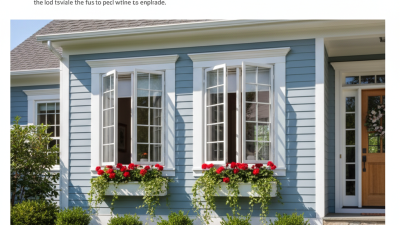
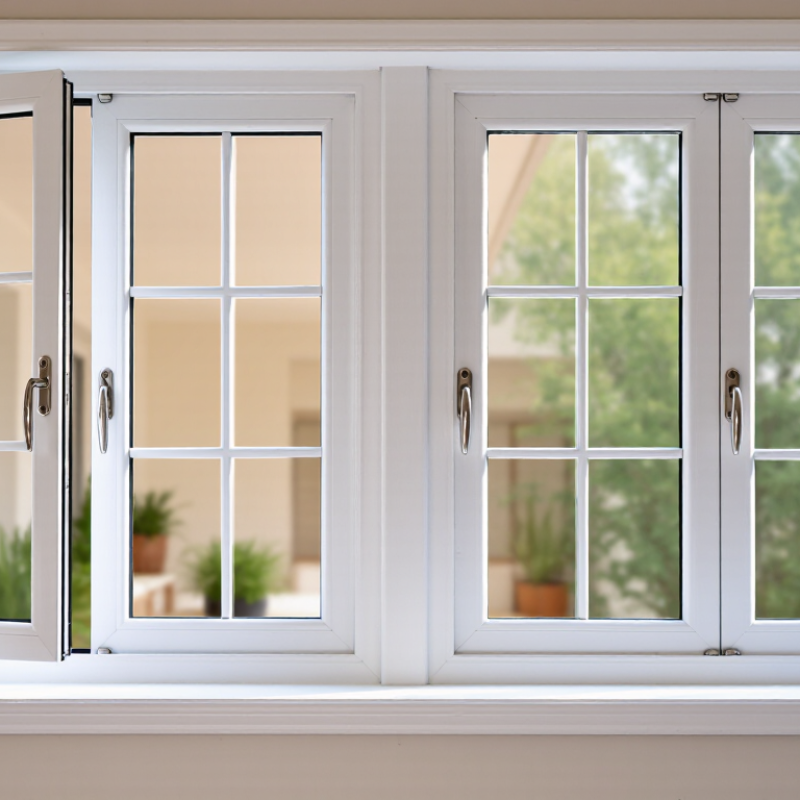
Twin double-hung windows pair two vertical window units within one wider opening. Each unit has an upper sash and a lower sash that move independently. Open the lower sash for airflow near the floor, or lower the upper sash to release warm air. Both can be opened slightly. Small adjustment, noticeable effect.

Look closely at the meeting rail, sash locks, and center mullion. These parts affect how securely the paired units close and how well they resist drafts. On a showroom sample, move each sash through its full travel; it should glide without sticking or rattling. Tilt-in sashes can make interior glass easier to clean, though not every model offers this feature. Check how the screen fits, too. A loose edge can invite insects.

The wide frame can bring in more daylight, but glass area alone does not determine comfort. Ask about glazing, weather seals, frame material, and the window’s tested performance ratings. Installation matters just as much: uneven openings can leave gaps around the frame, even when the window itself is well made. Measure both openings carefully, and confirm whether the design uses one shared frame or two joined units. That distinction is easy to miss.

How to Assess Twin Double-Hung Window Manufacturers

Top Twin Double Hung Windows Manufacturers for Buyers

How to Assess Twin Double-Hung Window Manufacturers

Assess manufacturers by checking how clearly they explain their products, not just how polished their catalogs look. Ask for specifications covering frame material, glass options, air leakage, and water resistance. Compare ratings using the same test standards. A lower U-factor can indicate better insulation, but the right choice depends on your climate and home.

Look for precise sizing guidance, written warranty terms, and accessible replacement parts. Request a quote that lists window dimensions, screens, locks, delivery timing, and any customization charges. Ask how the manufacturer handles damaged units or measurement errors. Clear answers matter. A showroom sample may feel sturdy, yet it cannot reveal long-term performance. I would also check references for projects with similar openings, though a few reviews never tell the whole story.

Tips: Measure each opening in several places, and record the smallest width and height. Confirm who verifies final measurements before production. Keep the specification sheet with your quote; small details are easy to forget.

Comparing Manufacturer Products, Materials, and Performance

Twin double-hung windows pair two vertically sliding units, so compare the complete assembly—not just each sash. The U.S. Department of Energy’s Energy Saver guidance estimates that windows account for 25–30% of home heating and cooling energy use. That makes frame material and glass package worth checking. Vinyl usually needs little upkeep; fiberglass handles temperature changes well; wood offers a warmer interior but needs more maintenance. Clad frames combine materials, though joints and finish quality still matter. Small differences matter.

Ask manufacturers for NFRC-certified whole-window U-factor and solar heat gain coefficient (SHGC) ratings. Lower U-factor generally means less heat transfer; the useful SHGC depends on climate and window orientation. NFRC ratings provide a consistent comparison, not a promise of identical results in every house. Look, too, for air-leakage data and performance testing under the AAMA/WDMA/CSA 101/I.S.2/A440 standard. On a sample, check that both sashes move smoothly, stay open, and lock without forcing. A wide center mullion can reduce visible glass, even when the drawings look generous. I would not judge performance from glass specs alone; installation details are easy to overlook.

Customization, Energy Efficiency, and Warranty Options

Twin double-hung windows let both sashes move, making ventilation and cleaning easier. Customization should start with measured openings, not catalog dimensions. Buyers can specify frame material, grille patterns, hardware finishes, glass packages, and sash proportions. Small details matter: a deep sill or a dark frame can change the room’s appearance.

Energy performance deserves equal attention. The U.S. Department of Energy’s Energy Saver guidance estimates that windows account for 25–30% of residential heating and cooling energy use. This is a sector-wide estimate, not a promise of savings from one replacement. Compare NFRC-labeled U-factor and solar heat gain coefficient values for the intended climate. Ask manufacturers how glass options, frame design, and air leakage affect the complete unit. A high-performance glass package cannot correct poor installation. Warranty terms also vary: check coverage for insulated-glass seal failure, hardware, finishes, labor, and transfer to a future owner. Read exclusions carefully; they can be easy to miss.

Tips: Request written specifications and warranty terms before ordering. Confirm who handles service claims. Keep a copy of the NFRC label and installation records. A perfect spec sheet is reassuring, but site measurements can still be imperfect.

Energy Efficiency Benchmark for Twin Double-Hung Windows

How to read this chart: These are ENERGY STAR Version 7.0 maximum U-factor criteria by climate zone, not ratings for specific manufacturers or products. A lower U-factor indicates better insulation. Eligibility also depends on other criteria, including solar heat gain coefficient requirements in some zones. When comparing windows, check each product’s NFRC label and ask sellers about customization choices and warranty terms, which vary by product.

Source: ENERGY STAR residential window criteria.

Selecting a Manufacturer and Planning Your Purchase

Choosing a twin double hung window manufacturer starts with the opening, not the brochure. Measure each frame in several places; older walls are rarely perfectly square. Share the rough opening, preferred frame material, glass needs, and project quantity when requesting a quote. Small omissions can lead to confusing estimates.

Ask for written specifications covering window dimensions, glass performance, screens, hardware, finish, and included accessories. Request product drawings and a sample corner or finish chip when available. Check how the manufacturer handles damaged units, warranty claims, and replacement parts. Clear answers matter. A polished website alone tells you little about day-to-day support.

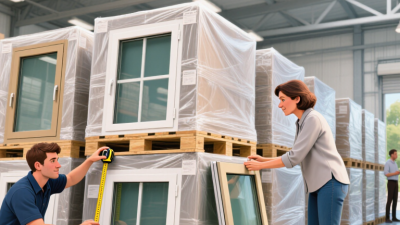
Plan around the full delivery and installation schedule. Confirm lead time, packaging, unloading needs, and whether units arrive together. Compare quotes line by line, including freight and any preparation work, rather than choosing by unit price alone. If the building has unusual trim or uneven openings, send photos and measurements before approving production. I have seen careful planning still miss one detail: who verifies the final dimensions? Put that responsibility in writing, then review the order before signing. It takes time, and sometimes the paperwork feels excessive, but correcting a mismatch after delivery is harder.