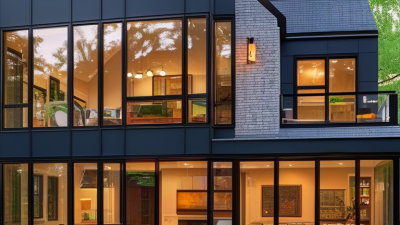
Why Choose Pella Bay Windows?

A bay window can change the feel of a room without changing its footprint. It projects beyond the exterior wall, creating a wider view and a small ledge for plants, books, or a quiet seat. Pella bay windows may suit homeowners who want more daylight and a stronger connection to the outdoors. The right choice, though, depends on the room, the home’s structure, and the view outside.

Pella offers window styles and material options that can be compared for appearance, upkeep, and performance. Details such as glass choices, frame finishes, and installation methods matter; availability can vary by product and location. A bright corner is appealing. Yet a bay window is not automatically the best fit for every home. It needs careful measurements, sound support, and a plan for insulation and weather sealing. Those details can be easy to overlook when focusing only on the view.

This guide explores what to consider before choosing pella bay windows, from design and natural light to installation questions and long-term care. We’ll look at practical benefits, possible trade-offs, and the decisions worth discussing with a qualified local professional. A little planning helps. It can also reveal when a different window style would serve the room better.
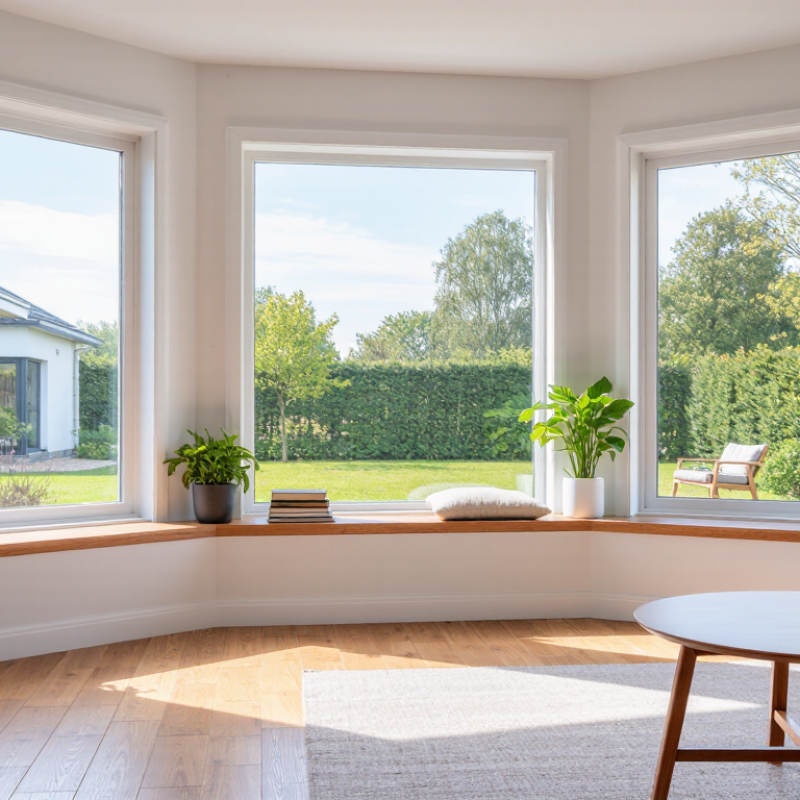
Why Choose Pella Bay Windows?

What Defines a Pella Bay Window

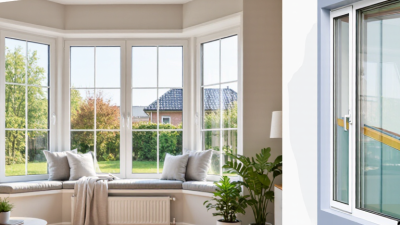
A bay window projects outward from an exterior wall, creating a small interior nook and wider sightlines. Unlike a flat window, it combines angled side units with a central unit. Common configurations use 30- or 45-degree angles, though exact geometry depends on the home. This shape can capture morning light from more than one direction. It also adds visual depth outside. In practice, the interior seat often becomes the feature, even when the view is modest.

Tips: Check the supporting structure before choosing the window. A projecting unit needs secure framing, insulation, and properly flashed roof or head protection. Measure the rough opening, sill height, and nearby furniture carefully. Low-emissivity glass can reduce heat transfer, while laminated glass may improve comfort and safety. Ask an experienced installer for written details about water management and load support. Small omissions matter.

The defining value is not simply extra glass. It is the relationship between projection, daylight, ventilation, and usable space. Operable side windows can encourage cross-breezes, but they may also admit street noise. A deep projection can feel generous in a large room and crowded in a narrow one. I have seen homeowners focus on exterior appearance, then rethink interior trim and furniture clearance. That is a useful reminder: the best bay window fits daily habits, not only a facade sketch.

How Bay Window Design Adds Space and Natural Light

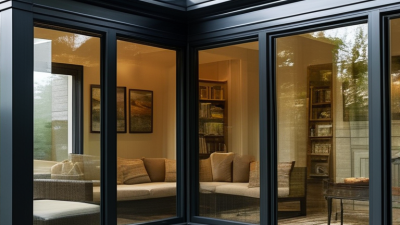
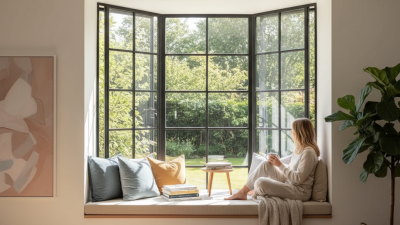
A bay window changes how a room feels by extending beyond the exterior wall. Its angled panes create a small nook for a reading chair, a breakfast table, or a few well-chosen plants. Even a modest projection can make a narrow room feel less boxed in. The added space is useful, but it is not magic; furniture still needs room to move around it.

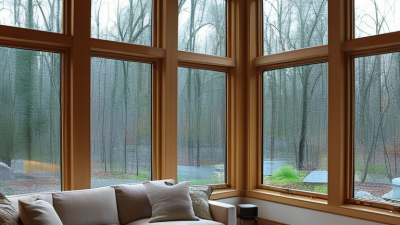
More glass can also bring daylight deeper into the room. Morning light may spread across a kitchen table, while a side pane can catch softer afternoon sun. The effect depends on the window’s direction, nearby trees, and roof overhangs. Measure the space at different times of day before deciding where seating or a desk should go. A bright spot can be lovely. It can also create glare on a screen or warm the room more than expected.

Thoughtful details matter. Confirm that the floor beneath the window can support the installation, and plan for insulation around the projecting structure. Deep sills offer display space, though clutter can block light and collect dust. A bay window can make a room feel more open, but its success comes from balancing the view, usable floor area, and everyday comfort.

Pella Bay Window Materials, Styles, and Customization

A bay window can make a room feel larger, but its materials control comfort and durability. Wood provides natural warmth and can be repaired when carefully maintained. Fiberglass resists warping and handles changing weather with minimal movement. Vinyl usually costs less and needs little upkeep, though its color and shape options may be narrower. Every material has compromises. That matters.

Styles include angular three-section bays and softer box configurations. A fixed center pane can create a bright reading nook and extend the view. Operable side windows improve ventilation in kitchens and upper-floor rooms. Casement, double-hung, and single-hung designs affect airflow, cleaning access, and furniture placement. Experienced installers often find that opening direction causes unexpected problems. A sofa can block a well-planned sash.

Customization should begin with accurate measurements, not a catalog image. Check wall depth, roofline clearance, insulation, drainage, and local weather exposure. Low-emissivity glass can reduce heat gain, while laminated glass may improve sound control. Interior stools, trim profiles, grille patterns, and exterior cladding shape the final appearance. A qualified professional should inspect framing and moisture conditions before installation. Do not over-customize. Too many divisions can shrink the view and complicate cleaning. Recheck proportions from inside and outside; they rarely look identical. Sometimes, the simpler design works better.

Energy Efficiency and Performance Features

Bay windows can improve a room’s comfort when their energy features match the home’s climate. Low-emissivity glass helps reflect indoor heat during winter and reduce solar gain during summer. Multiple panes also create insulating air spaces. This can make a noticeable difference beside a sofa, desk, or reading chair near the window.

Performance depends on more than the glass. Insulated frames, durable weatherstripping, and tight corner joints help limit drafts and moisture entry. A professional should review the window’s U-factor and solar heat gain coefficient before installation. These ratings provide clearer guidance than vague claims about “energy savings.” Proper sizing matters too. Even an efficient window may perform poorly if the opening is uneven or the installation leaves small gaps.

In occupied homes, the change is often easy to notice. The floor feels less cold, outside noise softens, and curtains move less on windy days. Still, no bay window fixes every comfort problem. Poor attic insulation or an aging heating system may remain the real cause. I have found that careful measurements and a thorough inspection often matter more than choosing the most impressive specifications. Sealing around the frame correctly is essential. Small mistakes can become expensive.

Factors to Consider When Choosing a Pella Bay Window

When choosing a bay window, start with the room, not the brochure. Measure the wall opening, interior depth, and available exterior space. A deeper projection can create a useful reading seat, but it may crowd a narrow walkway. Check the view at standing and seated height. Details matter. Window orientation also affects comfort. South- or west-facing glass may need low-e coatings, shade, or exterior screening to reduce afternoon heat.

Frame material deserves practical attention. Wood offers a warm finish, while composite or vinyl options may simplify maintenance. Ask about the glazing package, air leakage ratings, visible transmittance, and insulation performance. These specifications are more useful than vague claims about efficiency. In a cold climate, inspect the frame joints and sill design carefully. In humid areas, confirm how water drains away. A qualified installer should evaluate the header, flashing, and support structure before ordering. Skipping that inspection can lead to movement, drafts, or costly interior repairs.

Think about how the window will be used every day. Operable side panels can improve airflow, but furniture may block them. Safety locks, easy-clean hardware, and durable screens can matter more than a dramatic shape. Request a written installation scope, warranty terms, and maintenance expectations. Read the small print. I would also compare daylight samples at different times, because showroom lighting can be misleading. My first choice would not always be the largest window; a slightly smaller unit may fit the structure, budget, and room better. That trade-off is easy to overlook.