How to Choose the Best Residential Windows in 2026

Choosing the best residential windows in 2026 means balancing comfort, energy use, durability, and cost—not simply picking the most attractive frame. A bright south-facing room may need different glass from a shaded bedroom. Climate, wind exposure, noise, and the condition of the existing walls all affect what performs well. Small details matter.

Compare complete specifications, including frame material, glazing, air leakage, and energy ratings. Labels can help, but check that the stated performance suits your region and the window’s intended use. A low U-factor may reduce heat loss, while solar heat gain affects how much warmth enters through the glass. Neither number tells the whole story. Not just the glass.

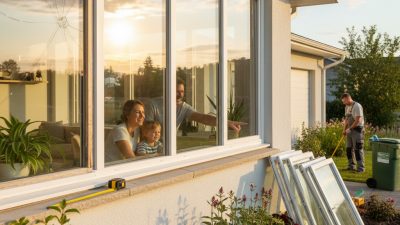
Installation deserves equal attention. Even a well-rated window can disappoint if it is measured poorly or fitted without proper sealing. Ask contractors how they handle flashing, insulation, cleanup, and unexpected repairs. Request written estimates that identify the exact products, labor, and warranty terms. Then compare like with like.

Budget matters, but the lowest quote may leave important work unspecified. I would pause over vague product descriptions; they make meaningful comparisons difficult. Check manufacturer documentation and ask direct questions before signing. Consider maintenance too: a finish that looks crisp in a showroom may need more care in a wet, sunny location. There is no universal winner. The right choice depends on your home, local conditions, and priorities. This guide explains how to assess those trade-offs, recognize useful performance details, and choose residential windows with more confidence.
How to Choose the Best Residential Windows in 2026

Assess Your Home’s Needs, Climate, and Window Requirements

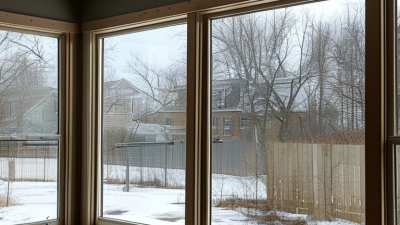
Before comparing window styles, note what each room actually needs. A south-facing living room may overheat on bright afternoons, while a shaded bedroom may feel chilly near the glass. Stand by the window on a cold morning and check for drafts, condensation, or uneven temperatures. Start with the room. These details often matter more than a sleek frame or a large glass area.

Your climate should guide the glass, frame, and opening style. In colder regions, well-insulated glazing can reduce heat loss; in hot, sunny areas, solar control may help limit glare and indoor heat. Ask how the whole window performs, not just the glass. A bathroom may need privacy and reliable ventilation, while a kitchen window should be easy to reach and clean. Measure each opening, and record whether nearby furniture or exterior features could block operation.

Check the condition of the existing frame before choosing a replacement. Rot, water staining, or a visibly out-of-square opening can affect installation and cost. Local building requirements may also set rules for safety glazing, ventilation, or emergency exits; confirm these with a qualified installer or local authority. I would not assume every room needs the same upgrade. That shortcut is tempting, but a careful room-by-room assessment can prevent paying for features you do not need.

Compare Window Materials, Styles, and Operating Types

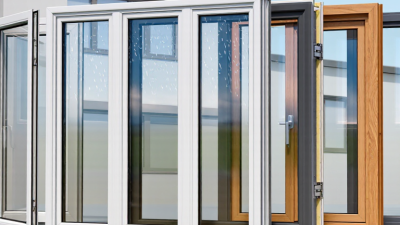
Window performance depends on frame material, glass, climate, and installation quality. Vinyl frames need little upkeep and often provide good insulation, but low-cost versions may feel less rigid. Fiberglass resists weather and temperature changes, though it can cost more. Wood offers a warm, natural interior finish and strong insulation; it needs regular care to limit moisture damage. Aluminum is slim and durable, but standard frames can transfer heat. Thermal breaks help, but they do not erase every performance difference. There is no perfect frame. This trade-off is easy to underestimate.

Style affects both daylight and ventilation. Picture windows bring in broad views but do not open. Casement windows crank outward and can catch breezes, while double-hung windows slide vertically and suit many traditional rooms. Sliding windows are simple to operate, though their opening area is limited. Check screen access, reach, and furniture placement before choosing an operating type. A window that is efficient on paper may be awkward above a deep kitchen sink.

Tips: Compare whole-window energy ratings, not glass alone. Ask how the unit performs in your climate, and confirm that the installer will seal and flash the opening correctly. Bring a tape measure. Check the warranty details, too.

Evaluate Energy Ratings, Glazing, and Safety Features

Choosing residential windows in 2026 starts with matching ratings to your climate, not chasing one “best” number. U.S. Department of Energy Energy Saver guidance estimates that heat gain and loss through windows account for 25–30% of residential heating and cooling energy use. U-factor and solar heat gain coefficient (SHGC) are useful starting points: lower U-factor slows heat transfer, while SHGC indicates how much solar heat enters. National Fenestration Rating Council labels provide standardized ratings for comparing similar products. ENERGY STAR’s 2023 residential criteria vary by climate zone, reflecting that a window suited to a cold region may perform poorly in a sunny one. Check orientation, too. South-facing glass may need a different SHGC from shaded north-facing glass.

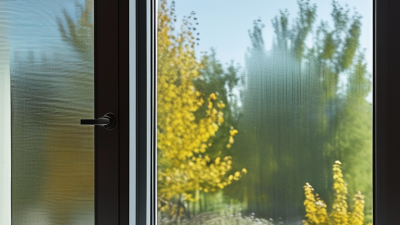
Glazing affects daily comfort. Low-emissivity coatings and insulated glass units can reduce heat flow, but frame quality and installation still matter; an expensive pane cannot seal a poorly prepared opening. Small details matter. Ask about condensation resistance and how the installer will seal the sill. For areas with greater impact risk, such as beside doors or near floor level, consider tempered or laminated glazing and confirm applicable local requirements. Tempered glass breaks into smaller pieces; laminated glass tends to remain bonded after cracking. Request the exact glass specification in writing. A product sheet is not a site inspection. Ratings describe tested conditions, not every drafty, shaded, or humid room. A top number on paper can still feel wrong.

Review Costs, Warranties, Building Codes, and Installation

How to Choose the Best Residential Windows in 2026

Compare complete installed estimates, not just the price per window. Ask each contractor to list frame and glass options, removal, disposal, trim repairs, permits, and labor. A low quote may leave out flashing or interior finishing. That matters. Request the same specifications from at least three bidders, then compare line by line. Costs vary with window size, access, and local labor, so online averages are only a starting point.

Read warranty documents before signing. Check coverage for glass seal failure, hardware, frame defects, labor, and transfer to a future owner. Note exclusions for coastal exposure, poor drainage, or installation errors. A long warranty is not automatically stronger. Ask who handles service claims and whether labor is included. Keep the dated contract and product specifications together; paperwork gets misplaced more often than people expect.

Confirm local building requirements before ordering, especially for bedroom egress, safety glazing near doors, wind resistance, and energy performance. Requirements can differ by jurisdiction and project type, so verify them with the local building department or a qualified installer. Installation quality matters as much as the window rating. Ask how the crew will inspect the opening, manage water with flashing, seal gaps, and protect nearby finishes. Have the work checked before final payment. Even a careful plan can miss a detail, so agree on who will correct defects and when.

Choose a Window Supplier and Plan for Long-Term Maintenance

A reliable window supplier should explain how each option performs in your climate, not just quote a price. Ask for written specifications covering frame material, glazing, air leakage, and water resistance. Request references for projects with similar weather and building conditions. Clear answers matter. If a representative cannot explain who handles measurements, installation, and service calls, clarify that before signing.

Compare warranty terms carefully. Check what is covered, how long coverage lasts, and whether labor is included. Ask how the supplier handles seal failure, hardware problems, and installation defects. Keep the proposal, product specifications, and care instructions together. A low upfront price can become less appealing if replacement parts are difficult to obtain.

Plan maintenance before the windows arrive. Note the recommended cleaning method and inspect weatherstripping, locks, and drainage openings each year. After heavy rain, look for moisture on the interior sill; persistent dampness deserves prompt investigation. Even careful planning misses something. For example, a hard-to-reach upper window may need safer access for routine cleaning. Discuss practical upkeep with the supplier, and make sure the chosen design fits the household’s time, tools, and comfort with maintenance.

How to Choose Residential Windows in 2026

How to read this chart: These are the maximum U-factor limits in ENERGY STAR Version 7.0 criteria for residential windows; lower U-factor means less heat transfer. The criteria also set minimum Solar Heat Gain Coefficient (SHGC) values in some regions: 0.40 for North-Central, 0.25 for South-Central, and 0.23 for Southern. Confirm the applicable criteria and local code with your window supplier, and ask about installation support, warranty service, and maintenance guidance.

Source: ENERGY STAR residential windows criteria.